

This is everything you need to know to burn fat and keep muscle as a woman. Food lists, workouts, and proven protocols.
What Is Body Recomposition
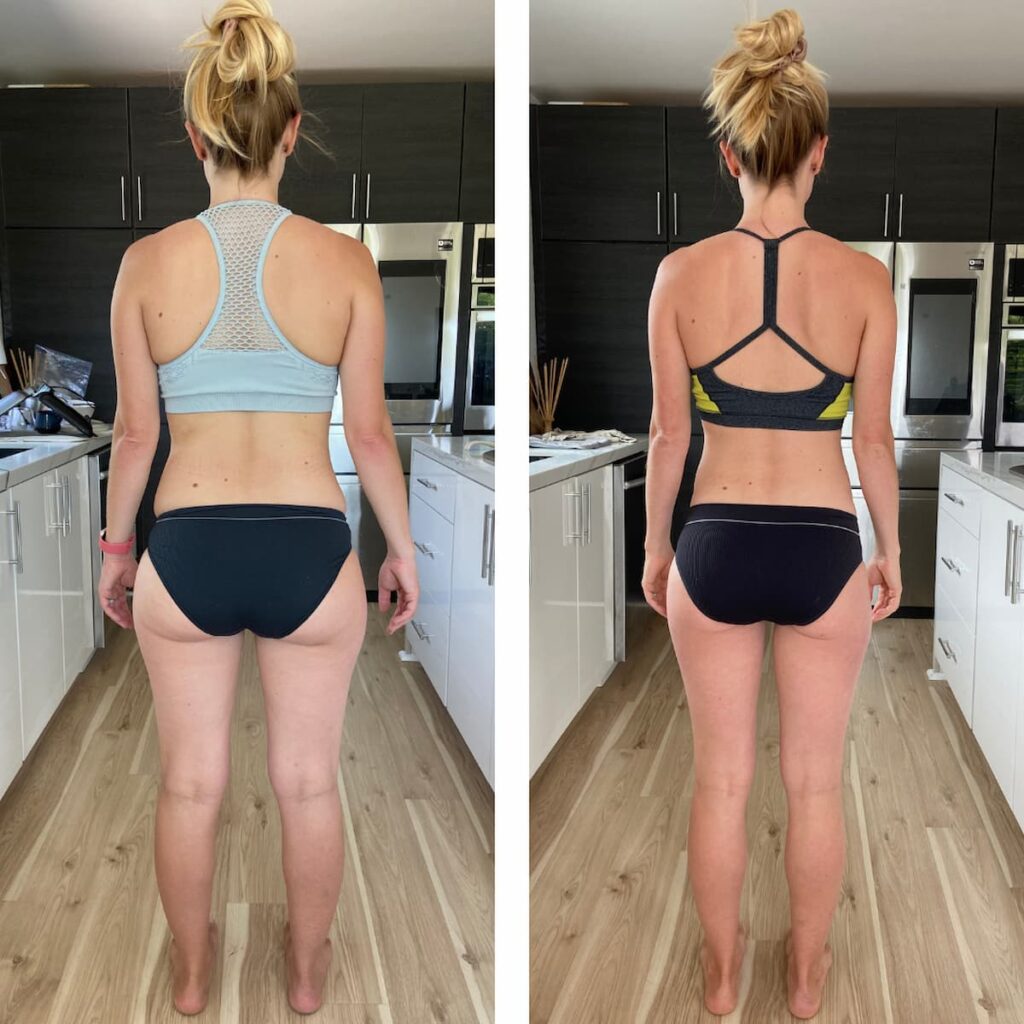
Body recomposition uses tools to change your muscle and body fat specifically. Typical “weight loss” doesn’t discriminate and as a result can lead to about 20-40% of weight loss coming from muscle (not fat).
In essence, body recomposition can help you lose more body fat while maintaining strength, health, and vitality.
Benefits of Body Recomposition
- You get to eat more: By keeping (or even increasing) muscle while losing weight, your metabolism gets a boost. This results in you getting to eat more while still seeing fat loss progress.
- Protects against perimenopause weight gain: As estrogen drops, it’s easier to gain body fat. By focusing on protein and strength training with body recomposition, you can help to protect your metabolism throughout menopause.
- Higher carb tolerance: Body recomposition can make you more insulin sensitive. As a result, you can have more flexibility with starchy carbs (like bread and pasta) without gaining weight or getting energy crashes.
- Stronger bones: Women are uniquely susceptible to osteoporosis (weakening of the bones). Focusing on body recomposition helps to keep bones stronger (vs. traditional “eat less”, which can make bones weaker).
- Stronger body: Body recomposition helps you preserve or increase your strength, making you more independent, especially as you age.
- Look more “toned”: Rather than looking “skinny” or frail, you can look “toned” and healthy. (Don’t worry, it’s very hard to gain muscle, so you don’t have to stress that you’ll get bulky and look like Arnold. Instead, you’ll look leaner and healthier.)
- Lower chronic disease risk: Decreasing body fat while keeping muscle can help reduce your risk of chronic diseases like Type 2 Diabetes, obesity, heart disease, and osteoporosis.
The Core Principles
Body recomposition requires that we focus on what we eat, how we move, and how we rest. Here’s how to do it.
Eat Enough Protein
Protein helps you keep muscle and burn more body fat. It does so by providing the actual structural components needed to repair your muscle and make you feel full. Plus, by eating enough protein, it eliminates the need for counting calories for weight loss. Studies show that higher protein diets makes people eat about 440 calories less per day without actively trying to restrict their intake.
So thanks to protein, you’re eating less but your muscle is protected, so your body will primarily use fat as a fuel source — cue more fat loss.
But amount matters.
Women especially tend to eat too little protein, even when they think they’re eating a lot. Too little protein will force the body to breakdown muscle, leading to worse body recomposition.
If you’re pre-menopause then you’ll ideally aim for a protein intake of 1.6 grams of protein per kilogram of body weight (.73 grams per pound) every day. If you’re peri or postmenopausal, you’ll need a bit more because your body becomes resistant to the effects of protein. In this case, aim for closer to 2.2 grams of protein per kilogram of body weight (about 1 gram per pound). You can use my free protein calculator to find out how much protein you need per day by clicking below.
Related: Free Protein Calculator
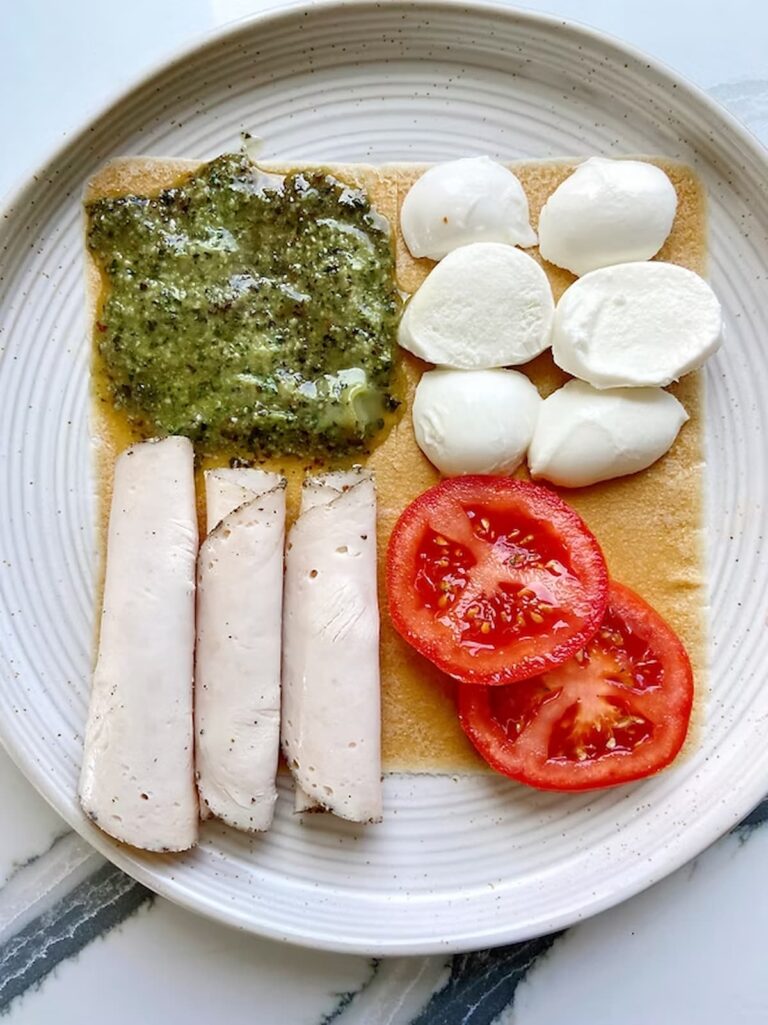
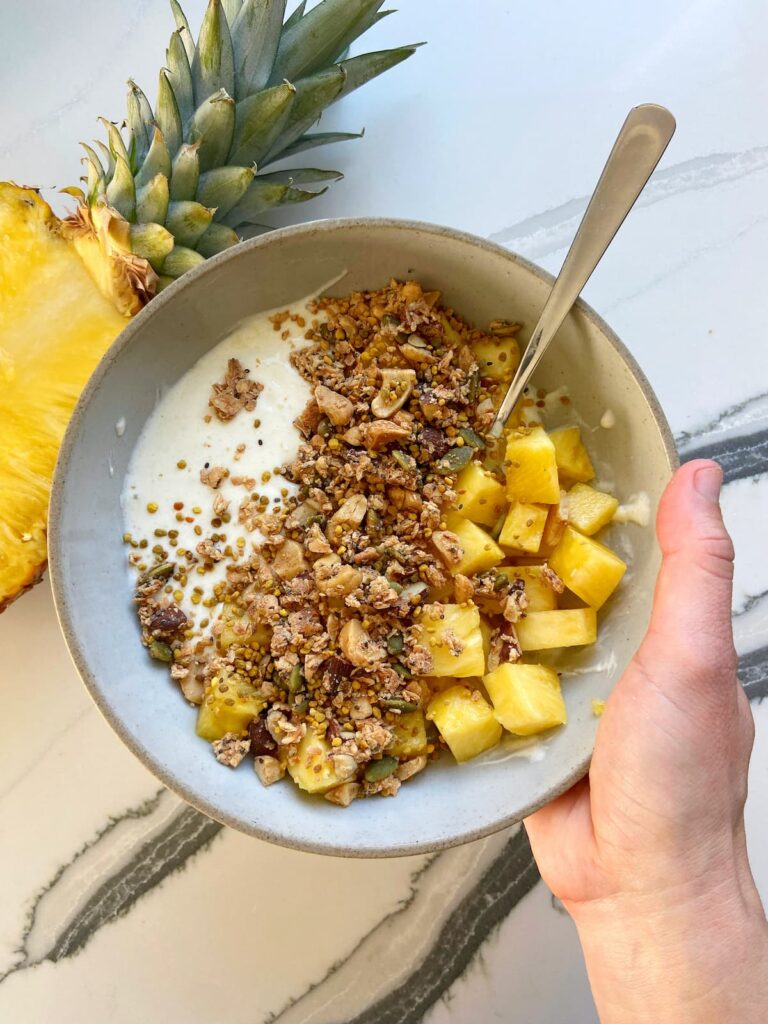
The best sources of protein are those that are “high DIAAS”. This basically just means high quality and includes foods like beef, fish, pork, chicken, turkey, greek yogurt, cottage cheese, whey isolate protein powder, and tempeh. You can grab a comprehensive and printable protein food list with my free download by clicking below.
Related: High Quality Protein Food List (Free Printable)
The Protocol
- Aim for 1.6 grams of protein per kilogram (.73 grams per pound) of body weight per day.
- If you’re peri or post-menopause, you’ll want to aim for closer to 1 gram of protein per pound of body weight.
- Split this up evenly between 3-4 meals.
- If fat loss is your primary goal, aim for 3 meals.
- If muscle gain is your primary goal, aim for 4 meals.
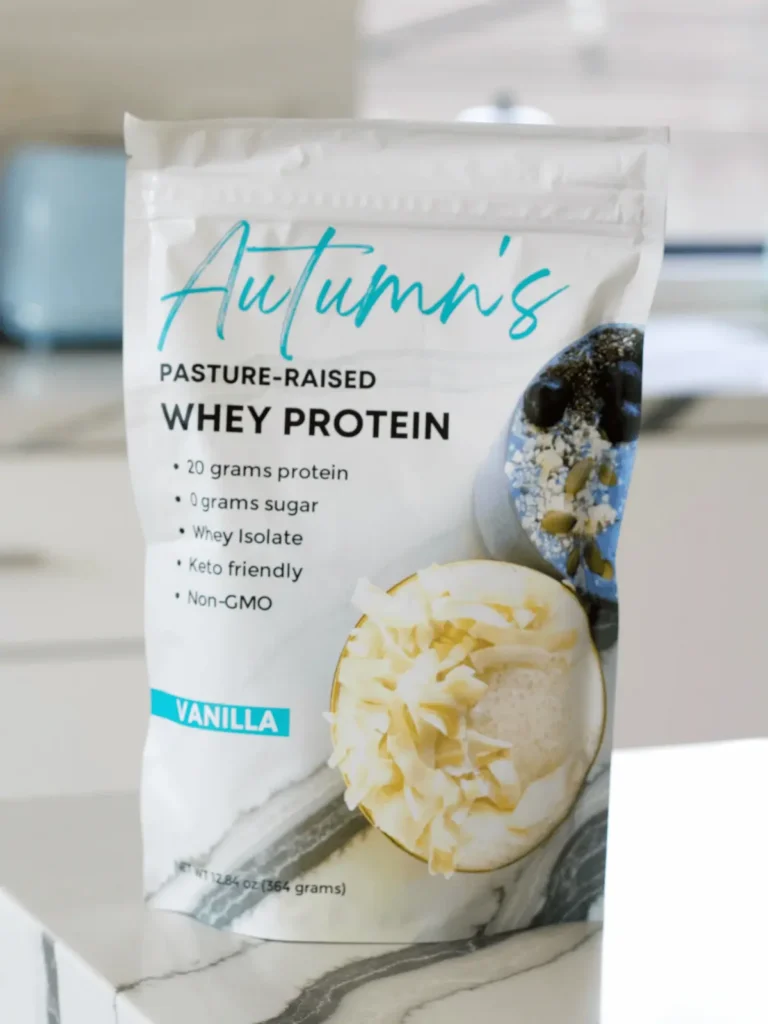
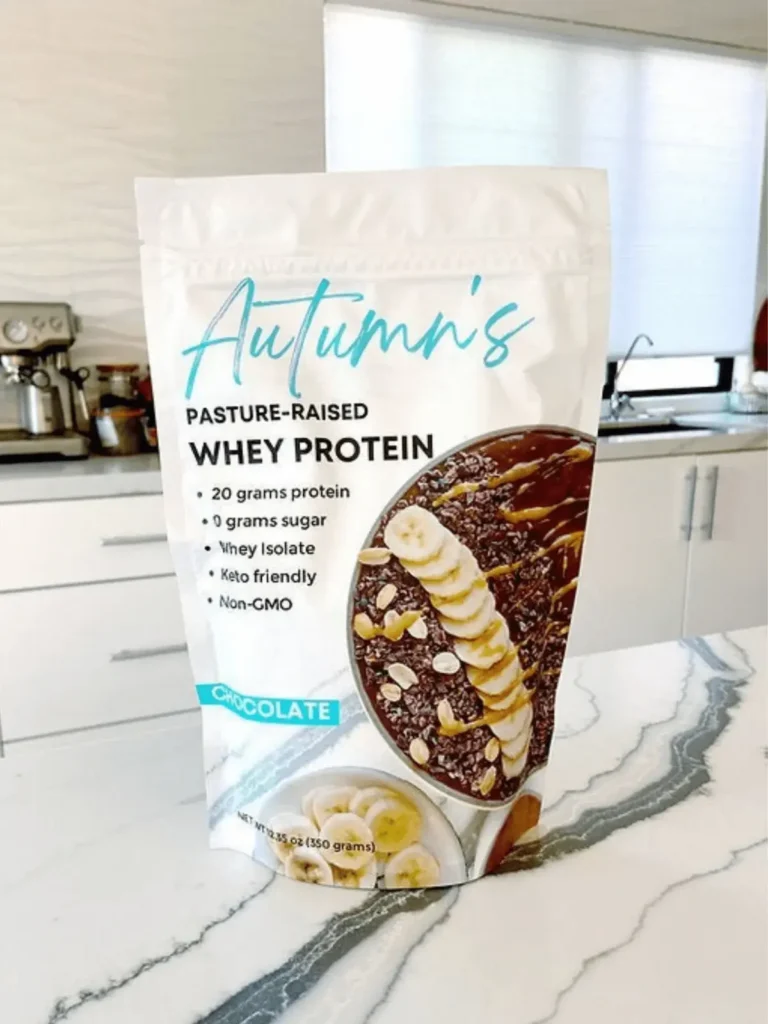
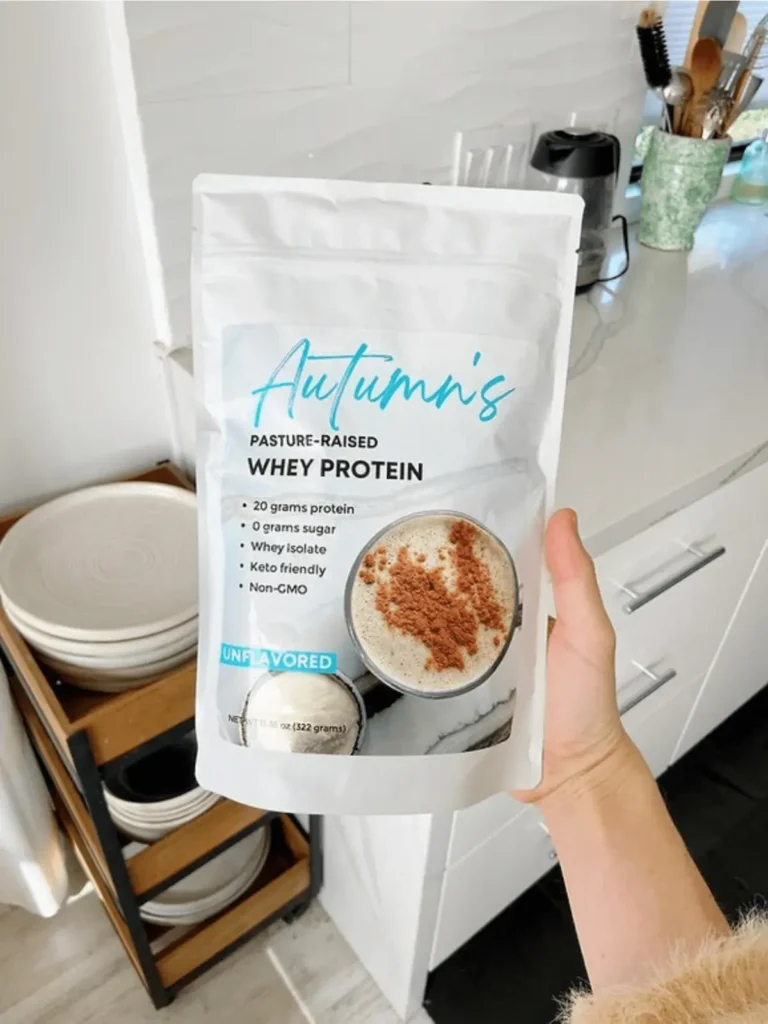
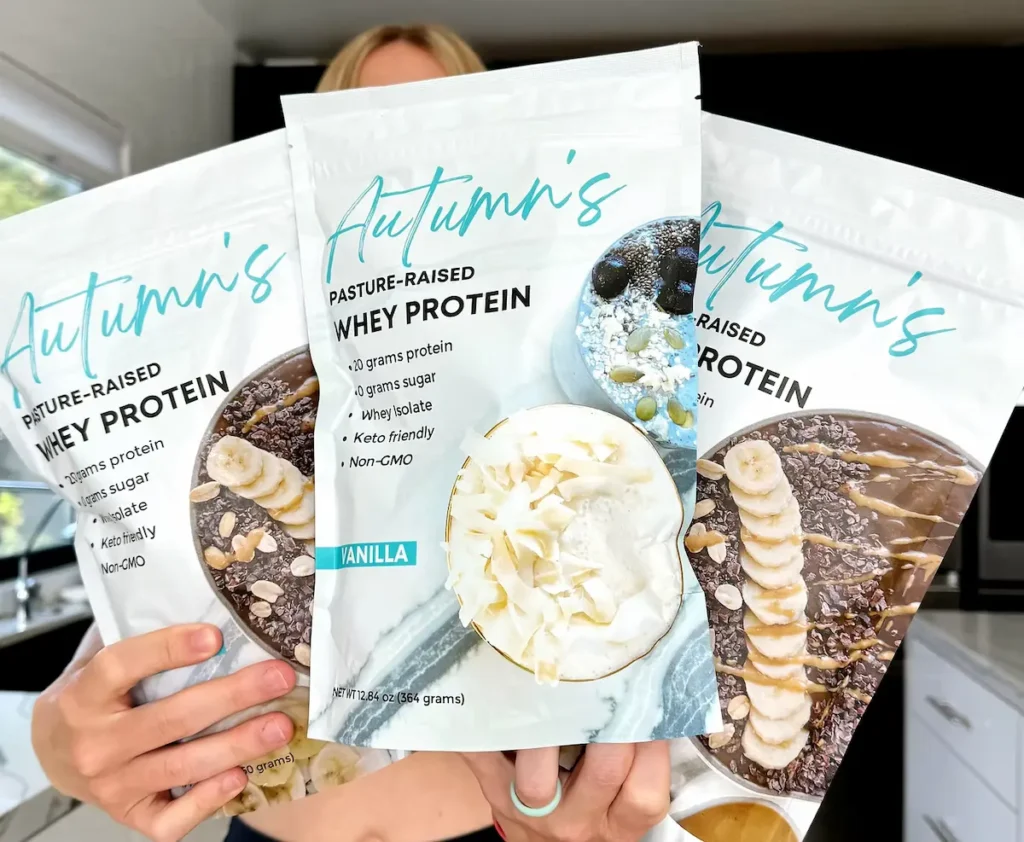
- Try using 1-2 servings whey isolate protein powder per day to more easily hit your protein goals.
Kickstart Your Journey
Shop Autumn’s Whey Protein Powder
Our delish bestselling zero added sugar, gluten & heavy metal tested whey protein powder!
Strength Train 3x/Week
Research on Body Recomposition in women have found that just three days per week of structured strength training can result in:
- nearly 5 pounds of lean mass increase (aka muscle)
- about 2.5 pounds body fat loss
- in just 8 weeks
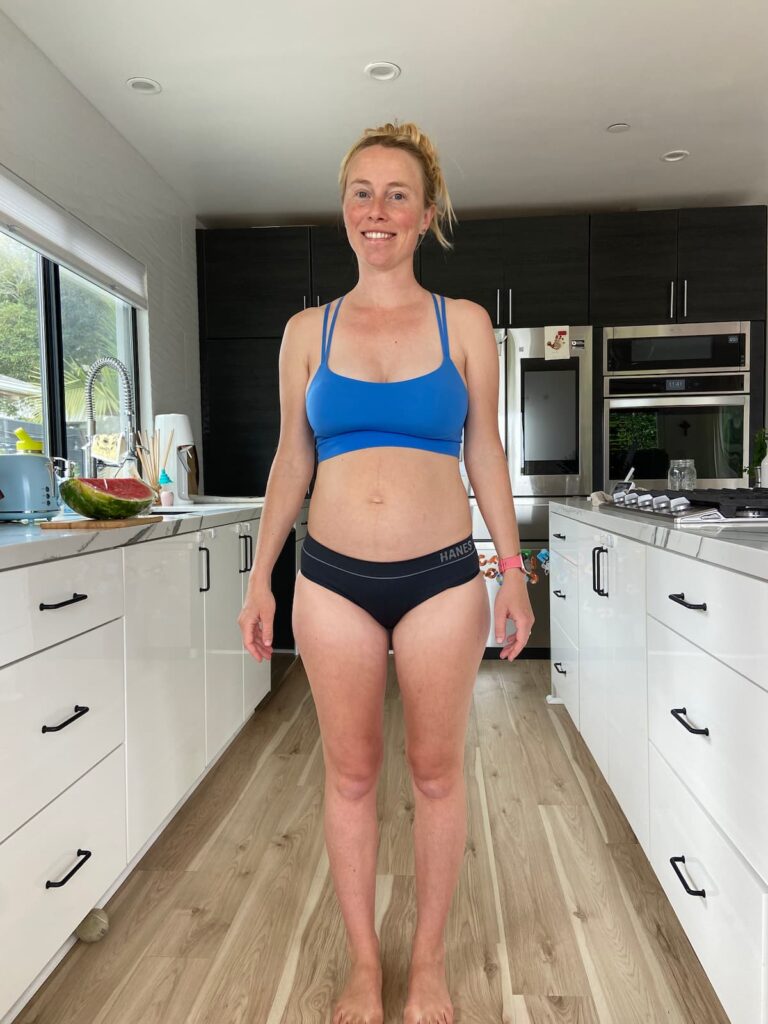
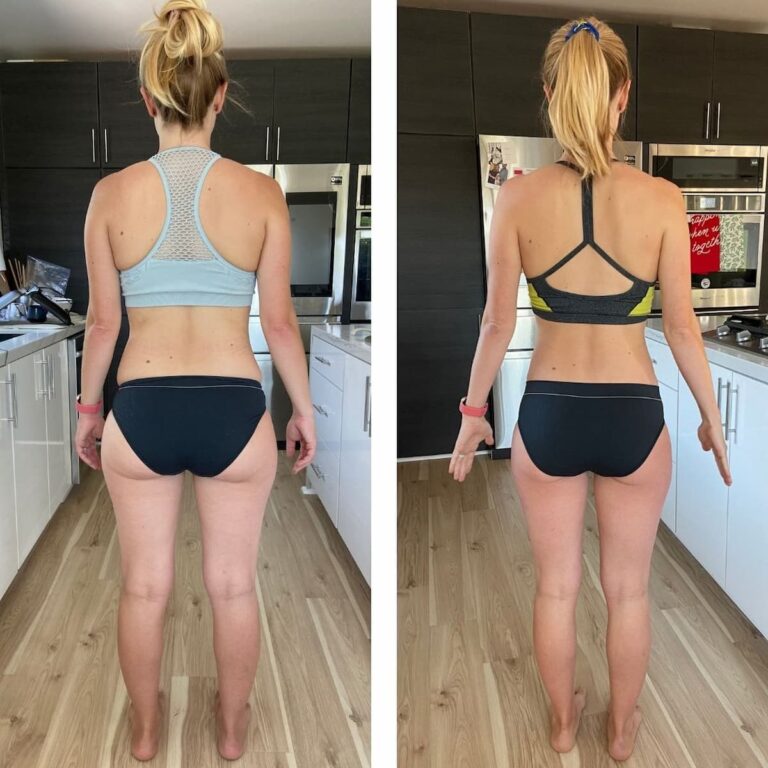
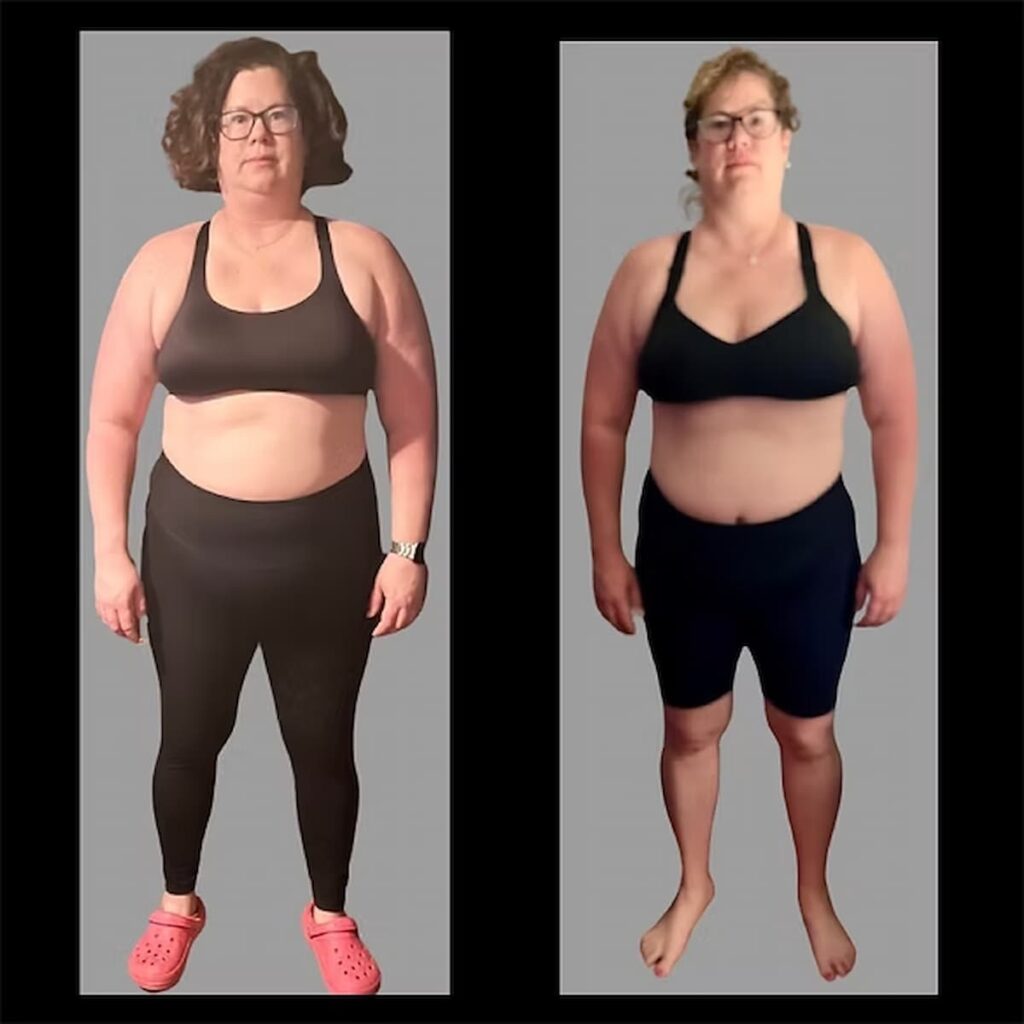
And this was in active females who were not overweight. Typically if fat loss is your goal, you can expect to lose considerably more body fat during the same time period. For example, Amber (pictured below) lost 10 pounds while gaining 2.8 pounds of muscle in 6 weeks while following my Body Recomposition Program.
For most women, a total body strength training routine performed three days per week allows for enough stimulus to the muscle while still being balanced with the rest required for rebuilding muscle. It’s also not so consistent that you’re living at the gym.
The protocol:
- 3 days per week total body strength training
- performed on alternating days (ex: Monday, Wednesday, and Friday)
- ideally using progressive overload*
*Progressive overload just means that you continue to use heavier weights as you get stronger. There are some great apps, trainers, and free youtube videos that can guide you in this. If you’re brand new, I’d highly recommend getting a trainer to teach you the basics then set you up with a plan. Otherwise, you can test out some free resources online.
Get Proper Rest
Sleep is the time our body takes all that protein from the day and repairs the muscle you used during your workout. Without sleep you quite literally undo all of the work from earlier in the day.
Research shows that those sleeping 5.5 hours per night lost 55% less fat and 60% more muscle mass compared to when they slept 8.5 hours per night. So don’t skimp sleep!
The Protocol:
- Set your bedtime to allow for 8.5 hours of sleep every night.
You can also find specific sleep strategies in The Body Recomposition Program.
Don’t Stress Calories
The biggest mistake women make while trying to lose fat and gain muscle is that they vastly under eat. Eating too little triggers the body to eat up your precious muscle rather than rebuild it. But I know what you’re thinking — don’t I have to “eat less” to lose body fat? Sort of. But not in the way you think.
Thanks to all the protein you’ll be eating to support muscle recovery and maintenance, you naturally eat about 440 calories less per day without having to actively restrict your intake. This is thanks to the very satiating nature of protein that prevents overeating. So by eating enough protein you stop your body from breaking down your muscle and shift it into primarily using fat as the fuel source, which leads to natural, sustainable fat loss without having to track a single calorie.
The one caveat is if you eat ultra processed foods. Think of things like chips, cookies, crackers, donuts, soda, and cereal. Research shows that eating ultra processed foods makes us feel hungrier and eat about 800+ calories more per day.
So to maximize for body recomposition, minimize ultra processed foods in favor of unprocessed or minimally processed alternatives. This allows for natural hunger reduction and eliminates the need for calorie counting in most people.
The Protocol:
- Eat until satisfied (3-4 full meals per day).
- Reduce/remove ultra processed foods.
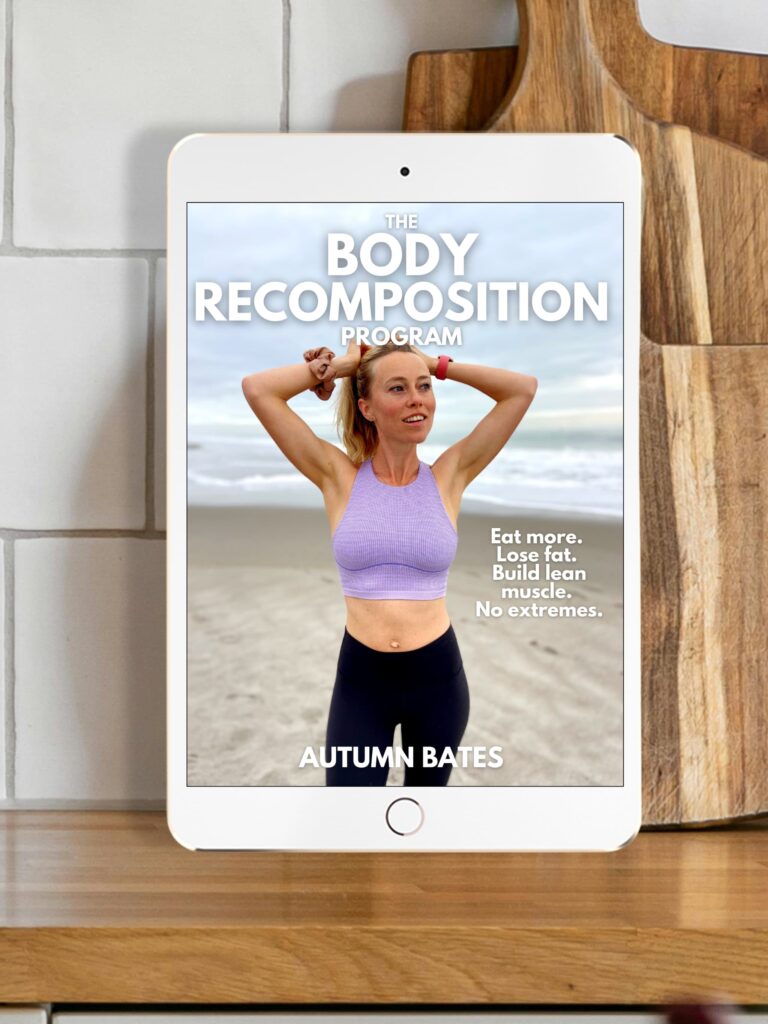
You can find delicious, minimally processed meals high in protein and designed for Body Recomposition in my 6 Week Body Recomposition Program. Over 50 recipes and 6 weeks of meal planning used by thousands of women around the world. Check it out here.
Science-backed + sustainable
The Body Recomposition
Meal Plan
Look leaner and feel your best with 6 weeks of simple, structured meals. Enjoy delicious, real-food recipes designed to support fat loss and muscle retention — without tracking, restriction, or complicated prep.
FAQ’s
Typically you can expect to see meaningful visual results in about 4-6 weeks when using all of the body recomposition tools. You can checkout the full body recomposition timeline with my blog post here.
Absolutely, especially if your main focus is to lose body fat while keeping muscle. It becomes a bit more tricky when your goal shifts to gaining a lot of muscle and maintaining body fat because you usually have to eat more than is comfortable. In this case, getting an idea of how much more you need to eat can be helpful. But if your goal is maintenance or fat loss, then tracking calories is unnecessary and sometimes hurts progress.
Cardio does not maintain muscle or strength. It’s fine to include it into your routine a few days per week, but strength (or resistance) training should not be skipped.
If you’re not used to it, this can be tricky at first! The first step is actually knowing which foods are high in protein (use my free protein food list printable for that). From there, evenly divide your protein between breakfast, lunch and dinner. Using a high quality whey isolate protein powder can help to fill the gaps and more easily hit your goals. You can find delicious, protein-packed recipes in the Body Recomposition Program.
Final Thoughts
Body recomposition helps you lose fat, keep muscle, and live a healthier life. It also gives you more food freedom and less reliance on calorie tracking. Although it requires a few more tools than just “eating less”, ultimately you’ll feel better and be able to maintain your results easier. You can absolutely browse all of my free resources, including tips and recipes. However, if you’re looking for a specific meal plan, delicious recipes, and even further science-backed tips to help you achieve your goals, you can checkout my Body Recomposition Program.
Science-backed + sustainable
The Body Recomposition
Meal Plan
Look leaner and feel your best with 6 weeks of simple, structured meals. Enjoy delicious, real-food recipes designed to support fat loss and muscle retention — without tracking, restriction, or complicated prep.