

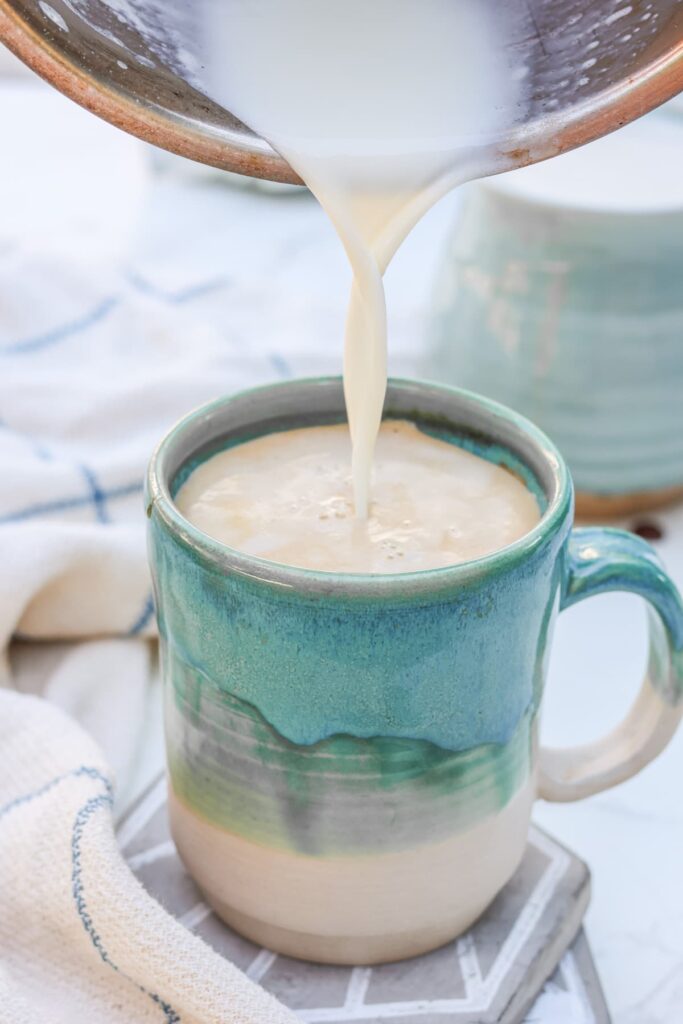
Creamy protein coffee WITHOUT clumps. Here’s exactly how to do it right with hot or iced coffee. Perfect morning routine.
Why Protein Powder Clumps In Coffee
All protein tends to tighten up in extreme heats. Just like how throwing a steak on a hot grill causes the meat to firm up, something similar happens to protein power when it’s suddenly shocked with high temperatures, like in very hot coffee. This “firming up” can lead to clumpy coffee. Not ideal.
The exact temperature this happens is around 140 F (60 C).
Most restaurants and coffee shops serve black coffee at around 165-170 F to account for heat loss by the time it reaches your table and you take your first sip. Throwing a scoop of protein powder into scalding liquid like this will cause clumps.
However, the ideal drinking temperature for coffee (without even factoring in protein powder) is a lot lower — closer to the 130-150 F (54.4 F – 65.5 C) range. At this lower range, your taste buds aren’t overwhelmed by the heat and you can actually enjoy and pick up on the delicious flavors in the coffee.
Bonus: This is also the range protein powder excels in.
Here’s exactly how to get all the perks of drinking protein coffee without the clumps.
The Right Way To Mix Protein Powder In Coffee
The key comes down to temperature and mixing. Below are the best ways to add protein powder into every type of coffee.
Black Coffee
This is your biggest risk of clumping because it tends to be the hottest drink. Here’s how you do it right.
- Pour your coffee into a larger mug and fill it up half way.
- Allow this to cool for a few minutes or until you can comfortably sip on the coffee without it burning your tongue. If you’re a numbers person, use a thermometer to make sure it measures below 140 F (60 C).
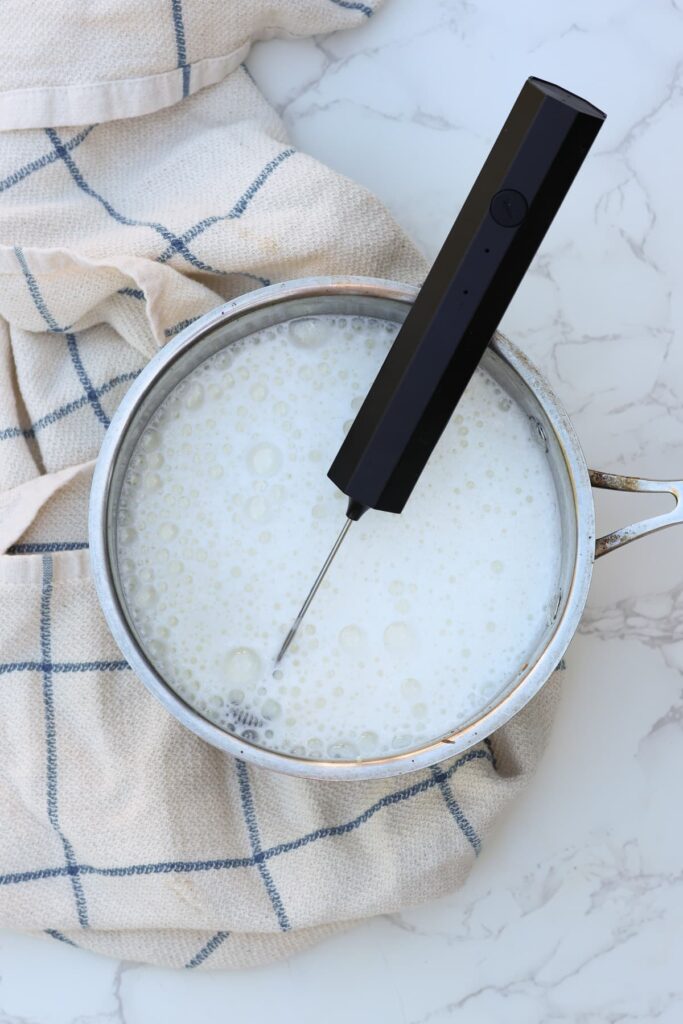
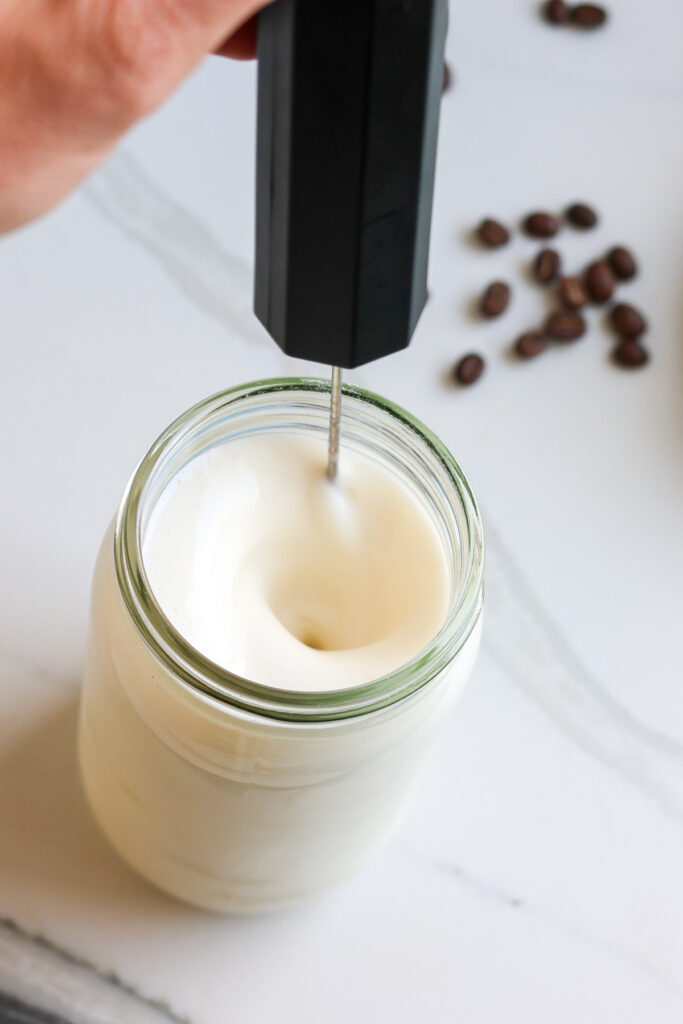
- Add the protein powder in and give it a whisk until full blended. A handheld milk frother is ideal to fully blend.
- Enjoy immediately.
Iced Coffee
This is a lot easier because the drink is already cold. Here’s how to do it right.
- If you’re drinking it black, add protein powder into the coffee before you add ice. If you’re mixing it with milk, add the protein powder to the milk instead.
- Use a handheld milk frother OR shake the coffee (or milk) with the protein powder in a shaker bottle until blended.
- If you used milk, pour it into your coffee.
- Add the ice and enjoy.
Hot Latte
Some coffee shops offer protein lattes (you can actually find our protein powder in lattes at Light House Coffee). But if you have an espresso machine at home, here’s how you DIY it:
- Make your espresso and pour it into a mug.
- Heat the milk on the stove top, or using the steamer function on the espresso machine, to a temperature slightly above 140 F (60 C). It’ll lose a few degrees by the time you add the protein powder.
- Add the protein powder to the milk and froth it using a handheld milk frother or whisk.
- Pour the protein milk over the espresso.
You can get a visual of this protein latte recipe with my video below.
Iced Latte
Again, because it’s iced, you don’t have to worry about clumping. Here’s how you do it right.
- Add protein powder to the milk. Froth it up with your handheld milk frother or shaker bottle.
- Pour the espresso into the protein milk.
- Add ice and enjoy.
Teas
Hot teas have the same problem as black coffee — they’re really hot. Use the steps in the Black Coffee method when adding protein powder to tea. If you’re making a latte style tea (like chai tea latte), you can follow the same hot latte steps as above.
What Not To Do
Never dump protein powder into scalding hot coffee or espresso. Once it hits that hot liquid, it’ll immediately coagulate and this process is irreversible.
Best Types of Protein Powder In Coffee
The most commonly used protein in coffees are whey isolate protein powder, collagen powder, and plant-based proteins. Here’s what to consider with each:
Whey Isolate Protein
- Highest quality protein — considered the gold standard by most researchers.
- Ideal for muscle maintenance.
- Complete protein and easily digested.
- When blended right (i.e. not in super hot liquid), it’s creamy and dissolves easily without chalkiness.
- Best for helping you hit your protein needs.
Collagen Powder
- Incomplete protein. Doesn’t contribute to hitting protein goals.
- Does not assist with muscle maintenance, but is beneficial for joint and skin health.
- Very low DIAAS, poor quality protein source.
- When blended right (i.e. not in super hot liquid), it dissolves easily.
Plant-Based Protein
- Good for vegan individuals.
- Depending on the brand, can be complete or incomplete. Variable protein quality.
- Depending on the source, can be close to whey in terms of muscle maintenance (but this is highly variable).
- Tends to be less digestible (usually a much lower DIAAS than whey).
- Even when blended properly, it tends to result in an “earthy” and gritty texture.
The Best Protein Coffee Recipe
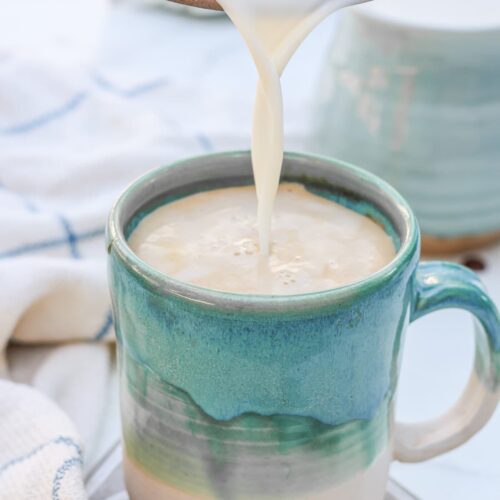
When I shared this recipe on youtube, it went absolutely viral. 18 grams of protein, zero added sugar, but tastes like a coffee shop vanilla latte. Yum.
The Best Protein Coffee
Ingredients
- 1 cup milk
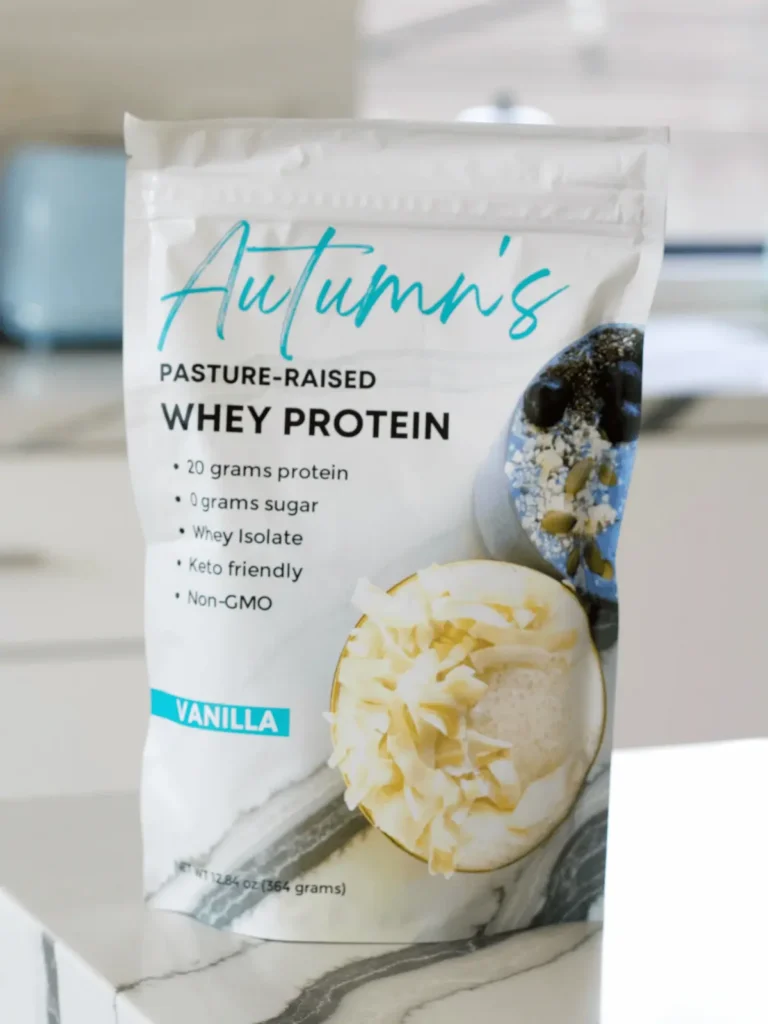
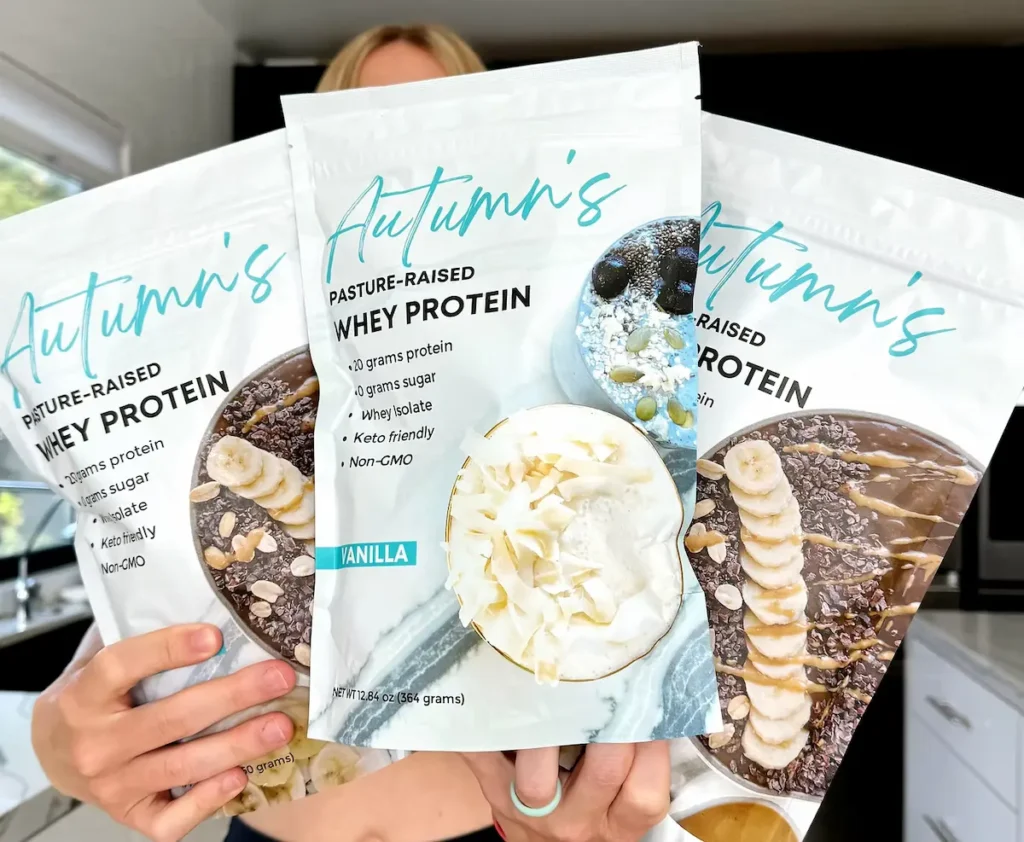
- 1 scoop Autumn's Vanilla Protein Powder
- 2 shots espresso about 3 ounces
Instructions
- Skip this step if you're starting with pre-made espresso shots. Grind the coffee beans until it forms a fine powder similar to table salt. Follow your espresso machine's directions and make a double shot.
- Pour the milk in a pot over medium heat. Warm to your desired coffee temperature, then turn off the heat and add the protein powder. Whisk with the milk frother until protein has dissolved.
- Pour the espresso shot into a coffee mug. Add the milk mixture. Enjoy immediately.
Notes
Equipment
Nutrition
Did you try this recipe?
Don’t forget to leave a comment below and share your thoughts!
Benefits of Protein Coffee
There’s a reason protein coffee has become so popular. Below are just a few of the reasons why people are obsessed with it.
- Easy way to eat more protein: Adding 10-20 grams of protein from whole foods can be tricky. That’s about 2-4 whole eggs! Using protein powder in coffee helps you easily eat more protein.
- Convenient: You’re already drinking coffee, so habit stacking it with protein makes it a simple way to consistently hit your protein goals.
- Less (or zero) sugar: When you use a zero added sugar protein powder, you can make your coffee taste like it has vanilla creamer, but without the blood sugar spike!
Kickstart Your Journey
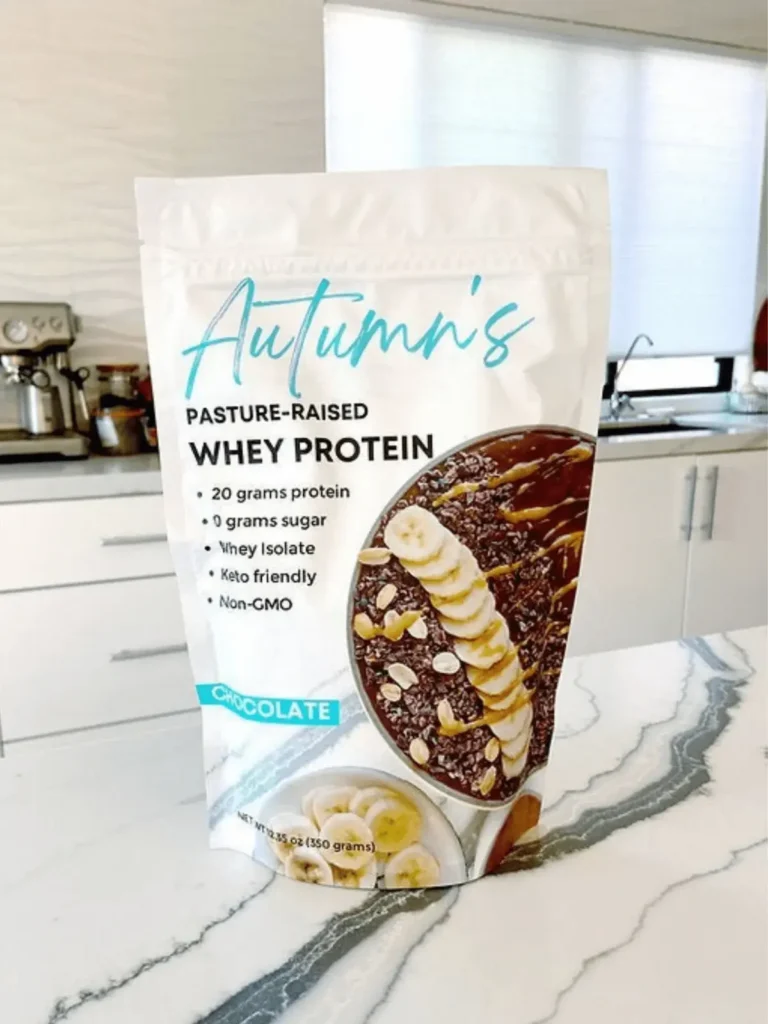
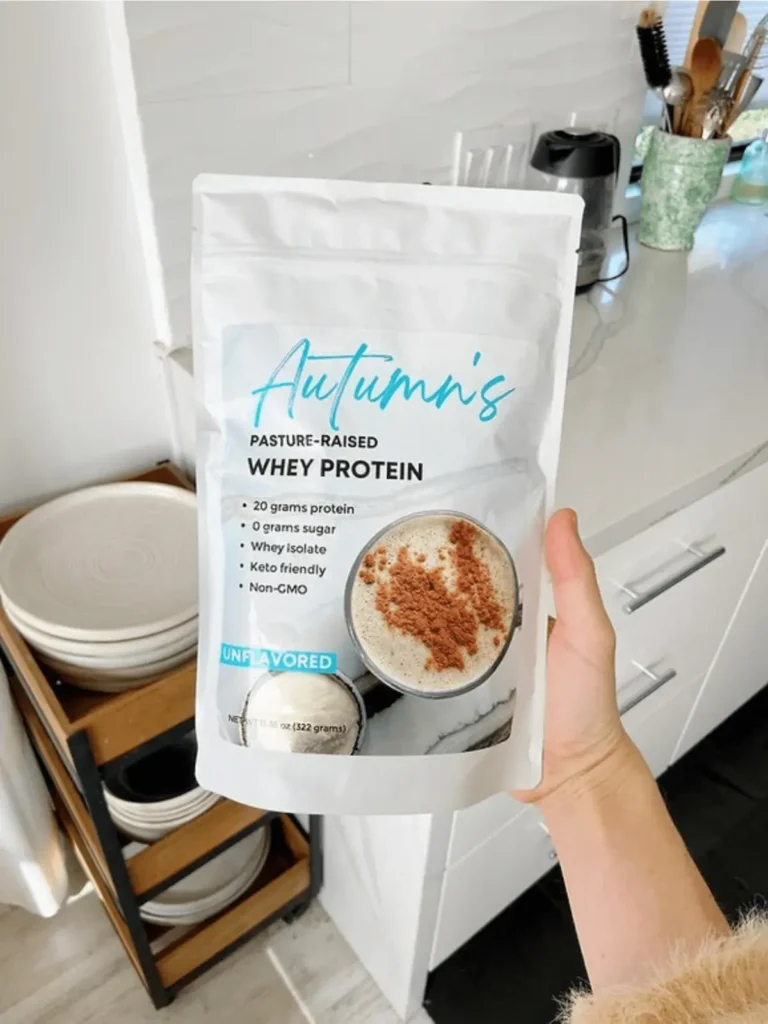
Shop Autumn’s Whey Protein Powder
Our delish bestselling zero added sugar, gluten & heavy metal tested whey protein powder!
No, protein powder is not destroyed in heat. It’s nutritionally the same. However, heat can cause clumps, which is why you want to use the tips in this blog post to avoid that.
Super hot liquid. This will cause clumps. Anything above 140 F (60 C) is a hard no-no.
It depends on the type of protein powder you use. Protein coffee will taste as good as the protein powder you’re using. That’s why we only use our zero added sugar vanilla protein powder, which was specifically designed to be used in food and drinks.
By increasing your protein intake, protein coffee can certainly be helpful for a weight loss journey. High protein diets have been found to support sustainable fat loss by reducing hunger and supporting muscle. However, if you’re also eating a lot of ultra processed foods, then no amount of protein coffee will reverse that. View protein coffee as an excellent tool for your journey, not the only solution.
No more than 1 serving (20 grams worth). For our protein powder, this would be 2 scoops. Start with 1 scoop then scale up from there if needed.
Not hot protein coffee. But iced protein coffee can be meal prepped to an extent. Just shake up your protein milk in advance and store in the fridge. Then you can pour it into your cold brew or iced espresso the next day.
Final Thoughts
Protein coffee makes it easy to add 10-20 grams of protein to your diet. If you have a hard time eating enough protein, then this is one of the easiest hacks to hit your goals. Just make sure to use it right — no scalding liquid and blend it thoroughly — and you’ll have creamy, dreamy protein coffee every time.