

Don’t be fooled by the label. Just because something says it’s “high in fiber” doesn’t mean it’ll actually have the same weight loss benefits of high fiber foods. Most high fiber foods help with weight loss. But these “high fiber” foods can actually make weight loss harder.
How Fiber Helps You Lose Weight
High fiber foods help you lose weight by stretching out the stomach which signals to the brain that you’re full and satisfied. Studies show this fullness factor can naturally reduce your daily intake by 10% (without actually trying to cut calories). But that’s not the only reason why it works:
- Traps carbs: Fiber acts like a net, which traps carbs naturally found in food from being quickly digested. This results in less insulin (storing hormone) spikes and an easier time shifting back into fat burning (lipolysis).
- Makes you chew more: High fiber foods require more chewing than low fiber carbs. Think of the difference between regular pasta and a bowl of broccoli. It’s going to take you a much longer time to finish the broccoli than pasta. Extra time chewing means that your brain also gets extra time to receive the signal that it’s full from hormones raised by eating protein and fat at the meal.
- Prevents post-meal snacking: Fiber makes you fuller faster than protein or fat. As soon as it hits your stomach, you can feel full. This makes you less likely to reach for a snack after your meal.
- Produces butyric acid: Once the fiber leaves your stomach and makes it’s way to the colon, it feeds your good gut bacteria. The bacteria then produces butyric acid which triggers your body to slightly ramp up GLP-1 (one of the fullness hormones).
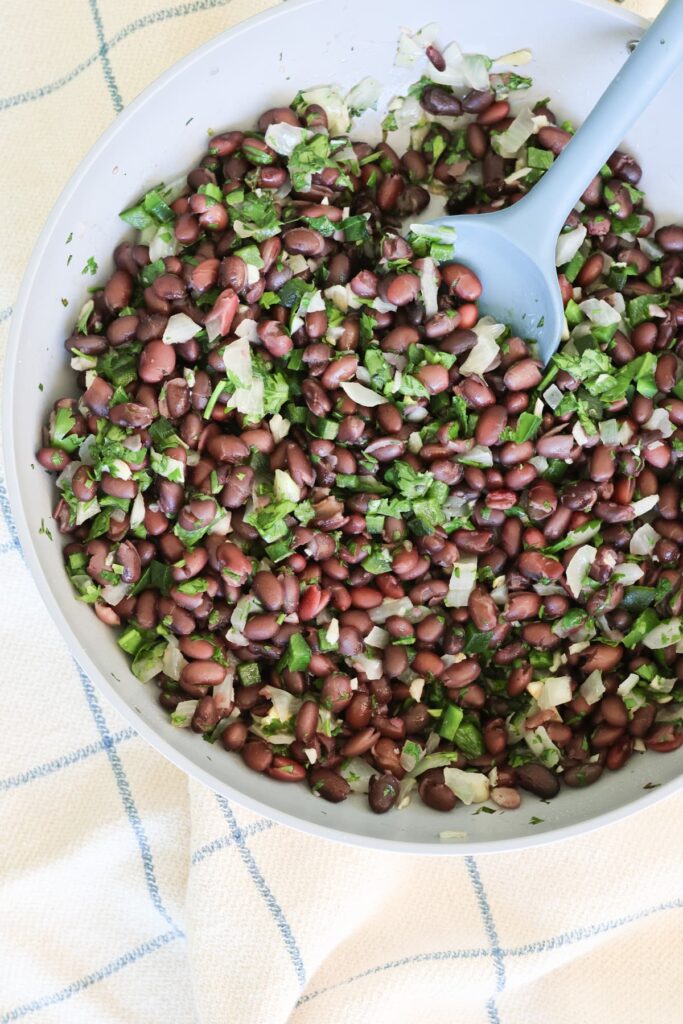
By eating whole food fibers, like chia seeds, black beans and lentils, it can help you naturally reduce hunger, stabilize blood sugar, and make progress with a fat loss goal.
Related: 22 High Fiber High Protein Foods For Fat Loss
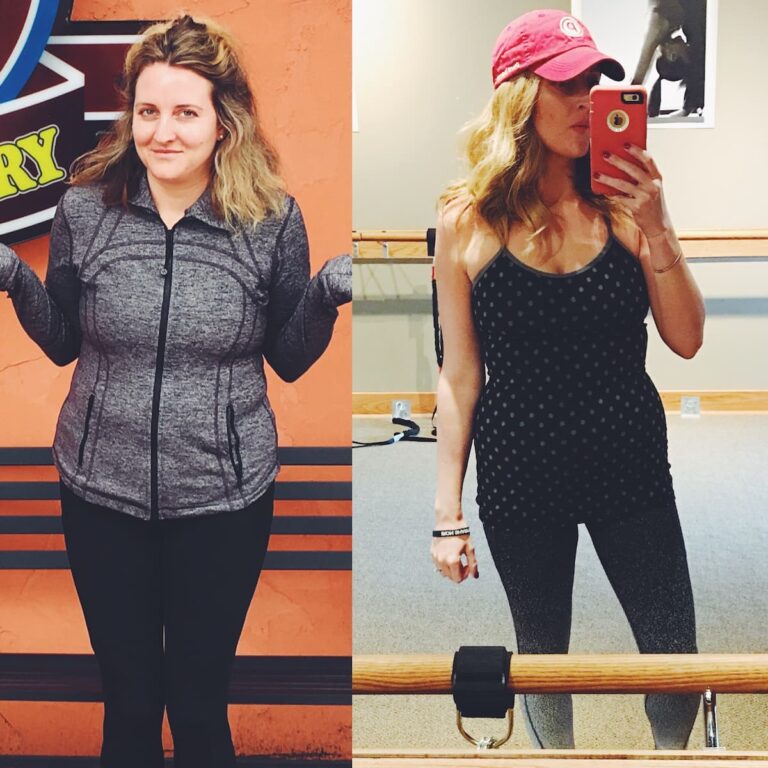
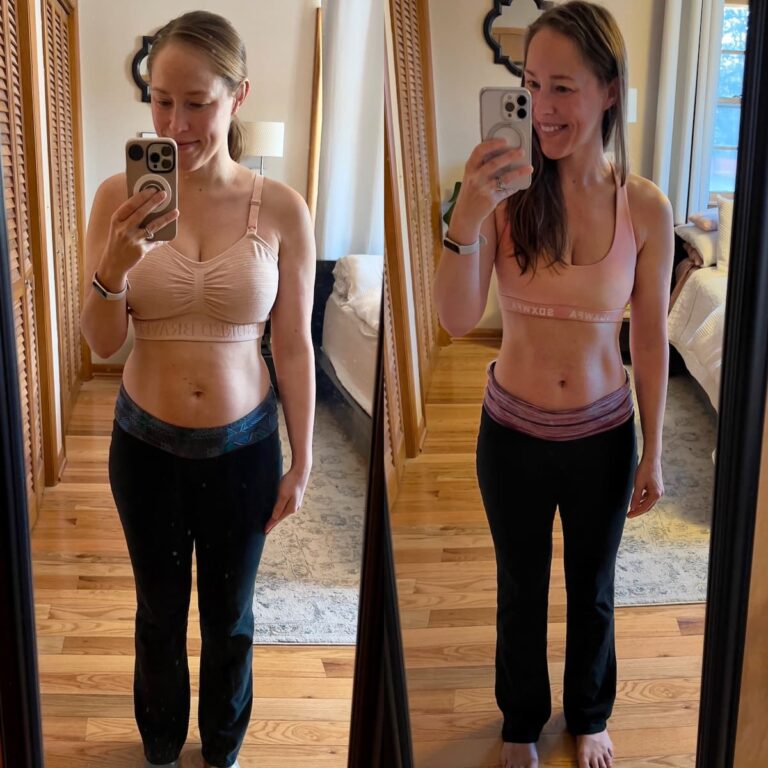
In fact, this is one of the tools I personally used during my most recent 15 pound weight loss journey as a Clinical Nutritionist.

That being said, not all fibers are created equal. As a Clinical Nutritionist, there are certain “high fiber foods” that I’ve seen can work against a weight loss goal for my clients and community. Check out the list below.
5 “High Fiber” Foods To Avoid (For Weight Loss)
1. Muesli and Packaged Oatmeal
If you were to google “high fiber foods”, then these would undoubtably be at the top of the list. You can see why because 1 cup of dry oatmeal has 8g of fiber. Muesli is similar because the base is also oats. And although some people can eat these foods and lose weight, that’s not the case for most.
Fat burning (called lipolysis) turns off when insulin (the storing hormone) is high. Oats seem to be particularly insulin spiking, especially in those who are trying to lose weight.
One report from Levels, a CGM company, found that after looking at all the data of their users, oatmeal was one of the worst foods for blood sugar and insulin.
If you buy packaged oatmeal, this can be even more detrimental to insulin levels, thanks to the added sugar, chocolate chips and dried fruit.
Oatmeal and muesli are also both very low in protein with only 10g per dry cup.
To achieve a fat loss goal, you need to eat quite a bit of protein. Without it, you can lose muscle, slow your metabolism, and burn less body fat. Plus, protein helps you eat less without trying to eat less.
Studies show that those eating a high protein diet tend to eat about 441 calories less per day, because they’re just full. That’s the equivalent of running 4.5 miles every day.
All the fiber in oatmeal and muesli can’t match the negative downsides of the insulin spike and lack of protein.
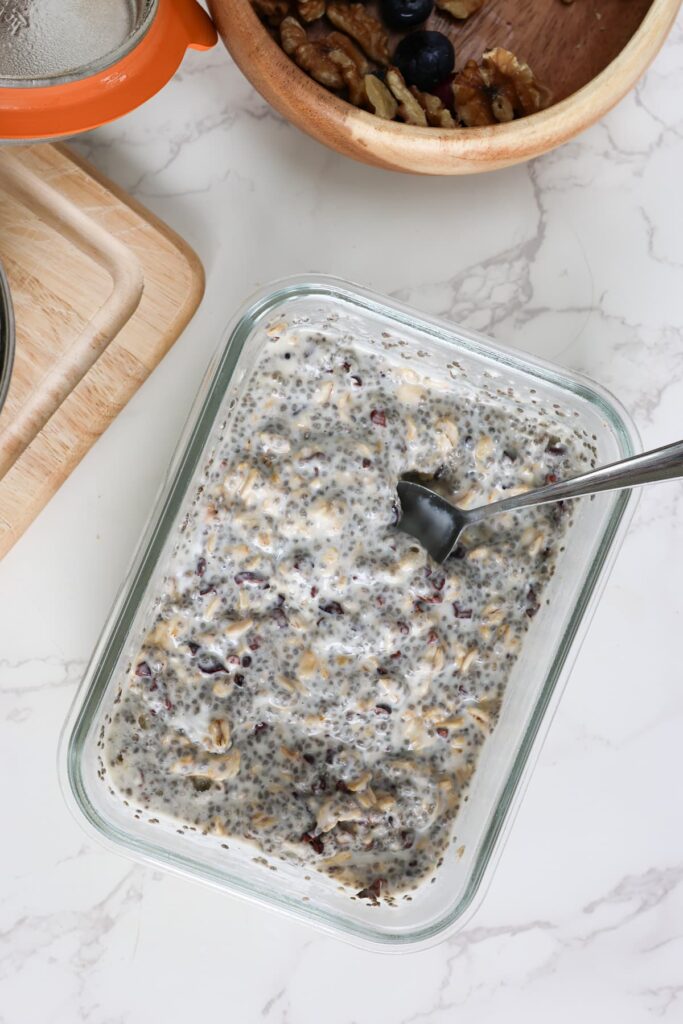
Now, there is a way to use oatmeal and have it support your goals by adding protein, healthy fats and leaving out the added sugar. This boosts satiety, prevents hunger, and stabilizes blood sugar more than plain ol’ oatmeal.
Try my delicious high protein overnight oat recipe.
2. Fiber Cereals and Granola
Fiber cereals can be wildly high in fiber ranging from 10g to 18g per serving. This will definitely make you feel fuller than just a regular box of sugary cereal. But because these fiber cereals are lacking in protein, with only 3 or 6 grams from poor quality sources, that fullness is very short lived.
Fiber only makes you full as long as it’s in your stomach. Once it passes along to your small intestine, you start to feel hungry again. This is why a high fiber cereal or granola that lacks protein can leave you looking for a snack an hour or two after eating breakfast.
To see lasting fullness for 4+ hours, you need to combine fiber with protein and fat. When you eat enough of all three, hormones like peptide YY and CCK go up, which triggers fullness lasting 4 to 5 hours.
So unless you’re eating a large bowl of greek yogurt with protein powder stirred into it alongside your fiber cereal, then you’ll be reaching for chocolate pretty quickly.
3. Fiber Bars
Fiber bars have the same fatal flaw as protein bars — they promote snacking.
Every time we eat, it spikes the storing hormone insulin and shifts the body into fat storage. If we snack throughout the day, we’re never letting insulin dip down low enough to trigger fat burning.
And that’s the literal intention of bars — to be a snack, not a meal.
To see how detrimental snacking can be for fat loss goals, just take a look at these alarming stats: France has an obesity rate of 17% while the U.S. sits at 40%. A 2022 poll found that 65% of Americans considered themselves snackers versus only 30% of French.
When we shift the focus to meals rather than grazing on bars, insulin can dip down and fat burning can turn on.
4. Fiber Gummies
These have a bit of added sugar, but the biggest reason why it can lead to weight gain is because it’s not solving the hunger issue.
The fullness factor you get from eating whole food fibers, like chia seeds, artichoke hearts or beans can be quite strong. As noted earlier, it can result in naturally eating 10% less without trying to cut calories.
But the same can’t be said for fiber gummies.
Whole food fibers are more likely to be eaten with protein and fat that prevent hunger for hours on end. A fiber gummy isn’t a meal ingredient. It’s just a supplement intended to be taken on its own.
As we saw with fiber cereals and granola, fiber on its own doesn’t support sustainable fat loss. It must be paired with protein and fat.
If you’re upping your fiber because you want to lose fat, then get it from whole food sources like chia seeds and beans to actually prevent hunger, stop snacking and make fat loss a lot easier.

5. Sweetened Chia Pudding
Chia seeds have 7g of fiber per 2 tablespoons. They’ve been found to help reduce hunger, improve cholesterol levels and even reduce waist circumference. This is why breakfasts centered around chia seeds — like chia pudding — can be really useful for support a weight loss journey.
As a Clinical Nutritionist, I have a high protein chia pudding in every one of my meal plans for this reason.
But the tricky part comes down to what’s added to most chia pudding recipes you’ll find online.
Maple syrup. Honey. Chocolate chips. Sugary granola.
This sugar can add up quickly and again, negate the perks of eating chia seeds. If you’re carb sensitive, then this can be particularly problematic.
Related: Find out if you’re carb sensitive with my free Carb Sensitivity Quiz.
To solve this, opt for a chia pudding recipe that has zero added sugar and is high in protein (at least 30g per serving).
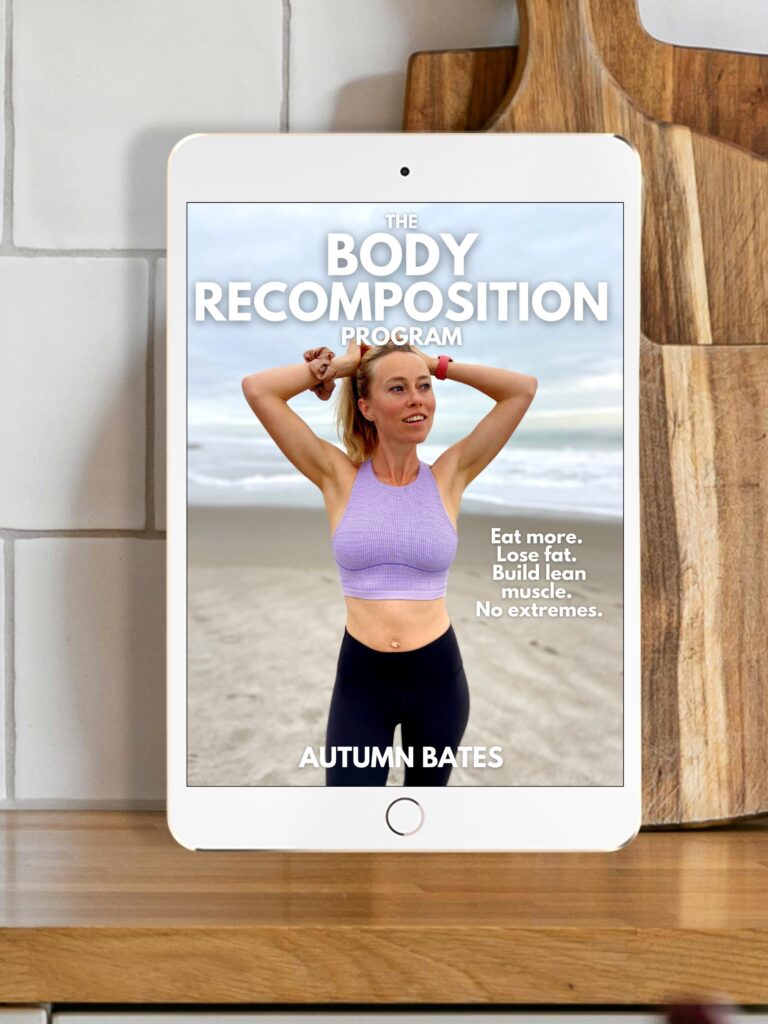
Want a meal plan with tasty, filling and easy recipes? Check out the Body Recomposition Program designed with over 50 delish protein, fat and fiber meals. Tropical Lemon Chia Pudding, Jammy French Toast, and Cauliflower Nachos… I’m drooling just thinking about them! Get the Body Recomposition Program here.
Science-backed + sustainable
The Body Recomposition
Meal Plan
Look leaner and feel your best with 6 weeks of simple, structured meals. Enjoy delicious, real-food recipes designed to support fat loss and muscle retention — without tracking, restriction, or complicated prep.