

Peptides do work for weight loss. But there’s one serious problem you need to consider first before taking it.
As always, this blog is for educational purposes and not intended to diagnose, treat, or cure. Please speak with your doctor before making any dietary, lifestyle, or medication changes.
What are peptides?
Peptides are essentially small proteins. They’re made from amino acids, which are the same building blocks as protein. Peptides can have a lot of roles in the body, but the one most associated with weight loss is its role in making you feel full (aka “satiated”).
The most common “fullness” peptides include peptide-YY, CCK, and GLP-1.
When these are elevated in the body, it tells the brain that you’re full and don’t need to keep eating. The body naturally produces these peptides every time you eat, but they’re particularly raised when eating foods high in protein and fat. Plus, the more you eat of protein and fat, the more of these peptides that get produced, and the more full you’ll feel.
This is why meals that contain a good amount of protein and fat make you feel fuller longer than those that are low in protein or fat. For example, ultra processed foods (like cookies, cereal, cake, etc.) tend to be low in protein, which makes the body produce less of those “fullness” peptides when you eat them. This is one of the reasons it’s very easy to eat an entire container of Oreos or a huge plate of french fries.
Even though the body naturally produces these hormones, you can also get them externally, too. Think of popular weight loss medications like Ozempic and Wegovy. These rely on the same (or similar) mechanism to boost satiety, reduce hunger, and ultimately make you lose weight.
Typically these medications are injected, but there are some oral options, too. It’s important to note that these medications aren’t actually the same as the peptides your body makes — like peptide-YY or GLP-1. They often “mimic” the peptides the body produces, but have been altered to last longer and resist breakdown.
And it’s because of this mimicry that injectable or oral peptides tend to come with side effects not typically seen with the real-deal made by the body. But we’ll get into that in just a second.
Do peptides for weight loss really work?
Assuming we’re talking about the “external” variety, like Ozempic and Wegovy, then simply put, yes they do “work” for weight loss. At least, they most likely will make someone lose weight while taking them. But as the saying goes… if it sounds too good to be true, then it probably is.
Depending on the source you’re looking at, taking peptides can result in people losing up to 25% of their body weight in less than a year. But typically you’re looking at about 10-15% of weight loss with higher doses.
But notice I’m using the word “weight” loss and not “fat” loss. This makes a big difference, and we’ll get into that in just a second.
On the flip side, high protein diets have been found to be quite effective at weight loss and fat loss because it also raises peptides like GLP-1 and peptide-YY. Even with study participants eating until satisfied (meaning, not actively “cutting” calories), they still lost about 8-11 pounds in 6 months.
What are the negatives of taking peptides for weight loss?
Turns out, there are quite a few well known reasons to not take peptides for weight loss.
Side Effects
The list of common side effects for various peptides for weight loss are quite uncomfortable and unpleasant. These include things like:
- Nausea or vomiting
- Diarrhea
- Heartburn
- Fatigue
- Hair loss
- Constipation
- Stomach pain
- Bloating
From talking with many users of these medications, they’ve often equated the nausea to “first trimester pregnancy” level of intensity. As someone who really suffered from morning sickness with both of my pregnancies, this alone is enough for me to want to pass on peptides.
You’ve probably also heard of “Ozempic Face”, which is when your face looks saggy and aged after taking peptides for weight loss. This is a common result from any type of rapid weight loss and muscle loss in the face, but is also often seen in those using peptides.
Not to mention the rare, but serious side effects reported by people such as:
- bowel obstruction
- acute kidney damage
- pancreatitis
- gallbladder problems
- gastroparesis
The Real Problem
But the biggest, most pressing issue that I have seen with clients and family members taking peptides for weight loss is that it doesn’t actually make you lose fat very well. At least, no where close to as well as eating higher protein.
When you take peptides for weight loss, you’re basically getting the “fullness” benefit of eating protein, while not actually getting any protein. This really matters.
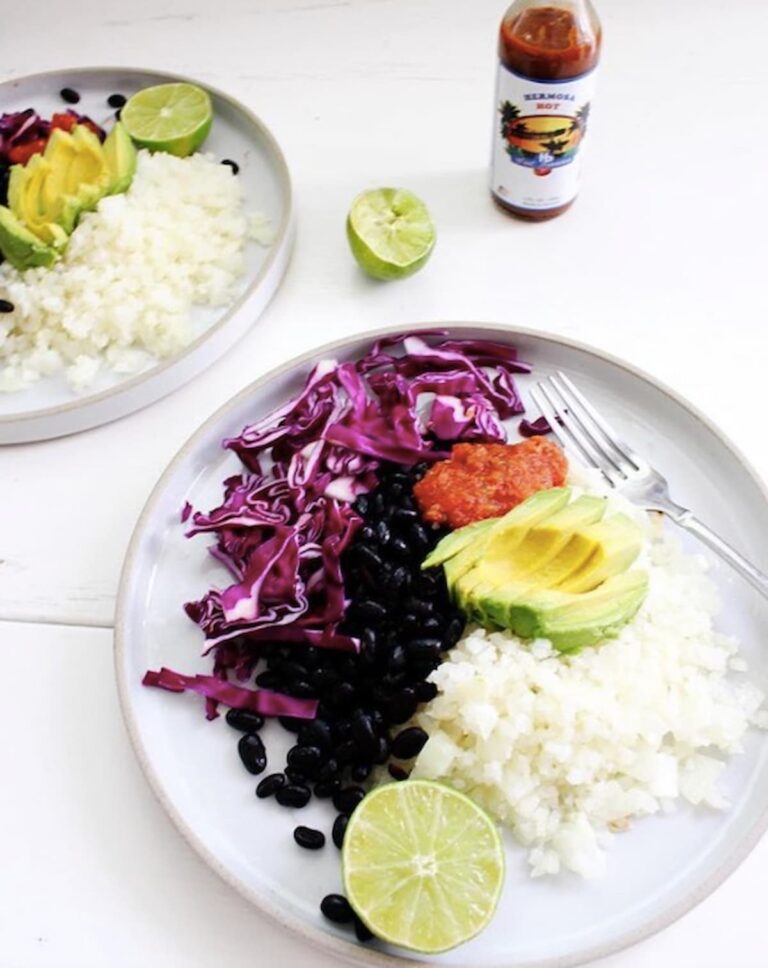
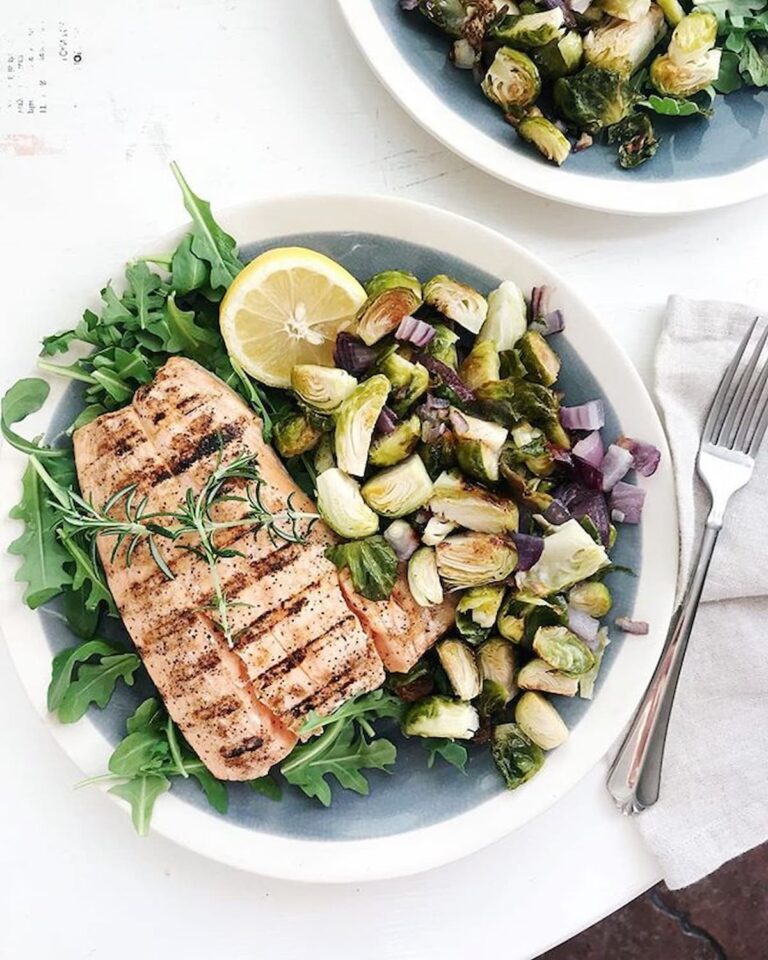
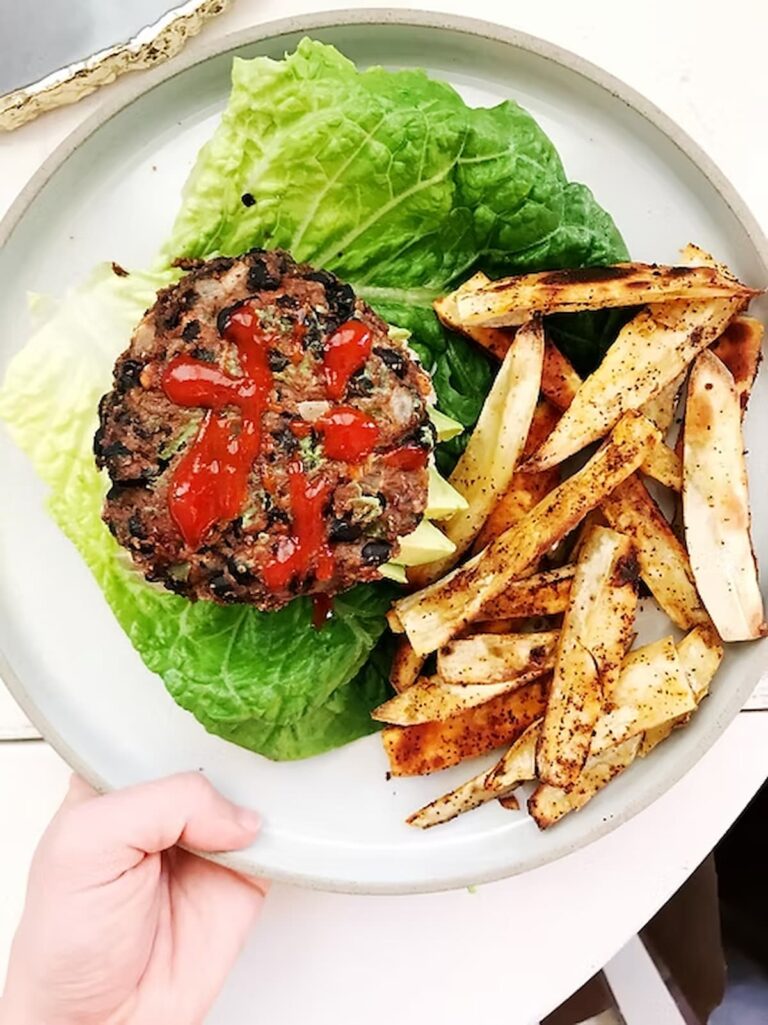
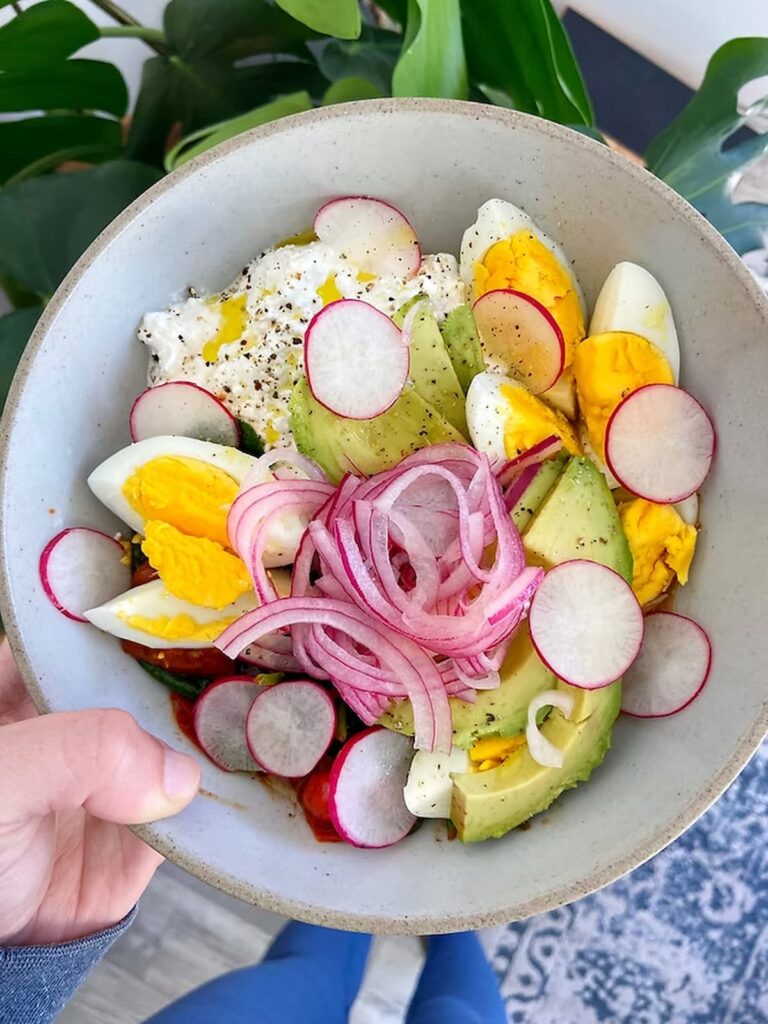
When we eat protein, we’re not hungry, so we naturally eat less and therefore start to sustainably lose weight. And because we’ve eaten protein, we also have the nutrients needed to prevent muscles from breaking down while losing weight. This means that we lose more fat and less muscle.
When we lose fat and keep muscle:
- our metabolism stays high
- our strength is maintained
- our bones remain strong
- insulin resistance tends to improve
All of this makes it so we can feel our best, fuel our body, and eat until satisfied, without having to actively track calories or feel deprived. These are the types of tools used by my community members like Kristen, pictured below.
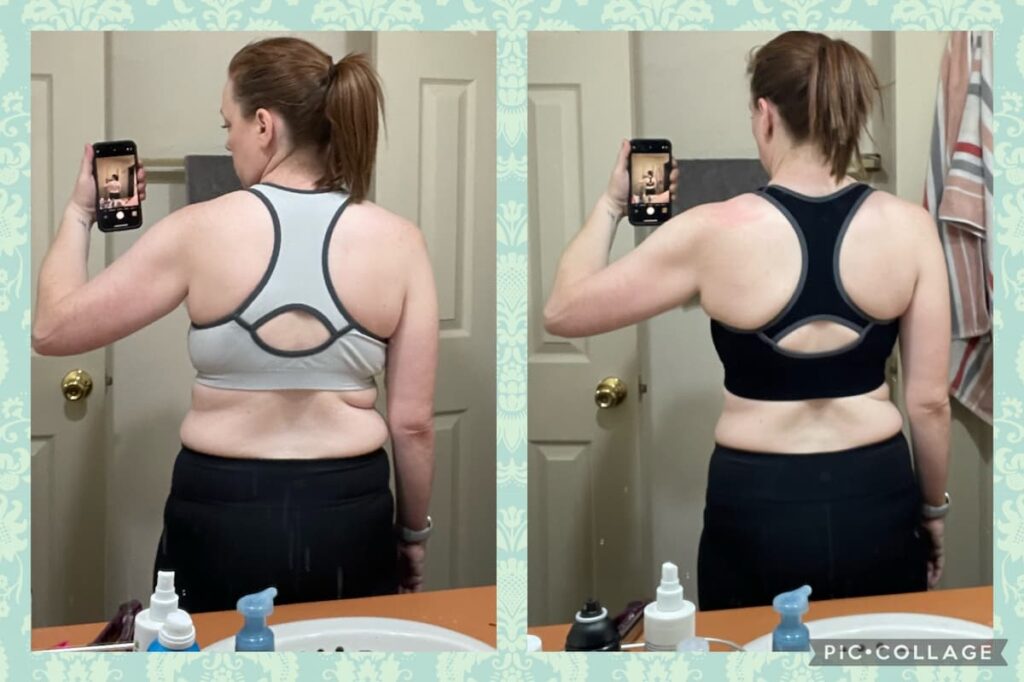
But when we lose weight without eating enough protein, such as is usually the case with taking peptides:
- we lose muscle
- we lose strength
- our bones get weaker
- our metabolism slows
- future weight loss becomes more difficult
Not to mention, the weight loss medication only works while you’re taking it.
It’s because of all these reasons that medical providers recommend eating a high protein diet while taking peptides for weight loss to help counter all of the negative impacts (which is kind of ironic if you think about it, considering you wouldn’t need the medications if you just ate more protein to begin with).
But because you’re so dang full (often, nauseatingly so), eating more protein is unappetizing and not practical while taking peptides… which leads to those same negative outcomes.
Is there something that works better?
There’s no arguing the research that peptides certainly are effective at weight loss. They’re just not great at specifically fat loss. So if you want something that specifically targets fat loss while still keeping muscle, then one of the biggest tools you’re looking at is eating more protein.
From my experience with clients, simply upping protein can help to drastically reduce hunger and make fat loss feel pretty easy, without the negative side effects of a lot of muscle loss and a slower metabolism.
But the question is, how much protein do you need?
Research points to about 1.2-1.6 grams of protein per kilogram of body weight — although, if you’re over the age of 50 or very active, then you might need even more.
I have a free protein calculator that can help you figure out your protein needs HERE.
Knowing how much protein you need per day isn’t enough. Consistently eating said protein is also required. Sounds obvious, but most people miss the mark even if they’re actively trying to eat more protein. You can grab my free high protein meal plan download for some tasty high protein meal ideas here.
Final Thoughts
Yes, peptides do “work” for weight loss because they reduce your appetite so much that you don’t want to eat. But just like any diet that relies on purely cutting calories, this can lead to poor outcomes that ultimately make future weight loss more difficult and could leave you in worse health than before. With my clients, I always recommend we first use the proven, science-backed lifestyle tools that have consistently been shown to not only result in sustainable weight loss, but also better health.