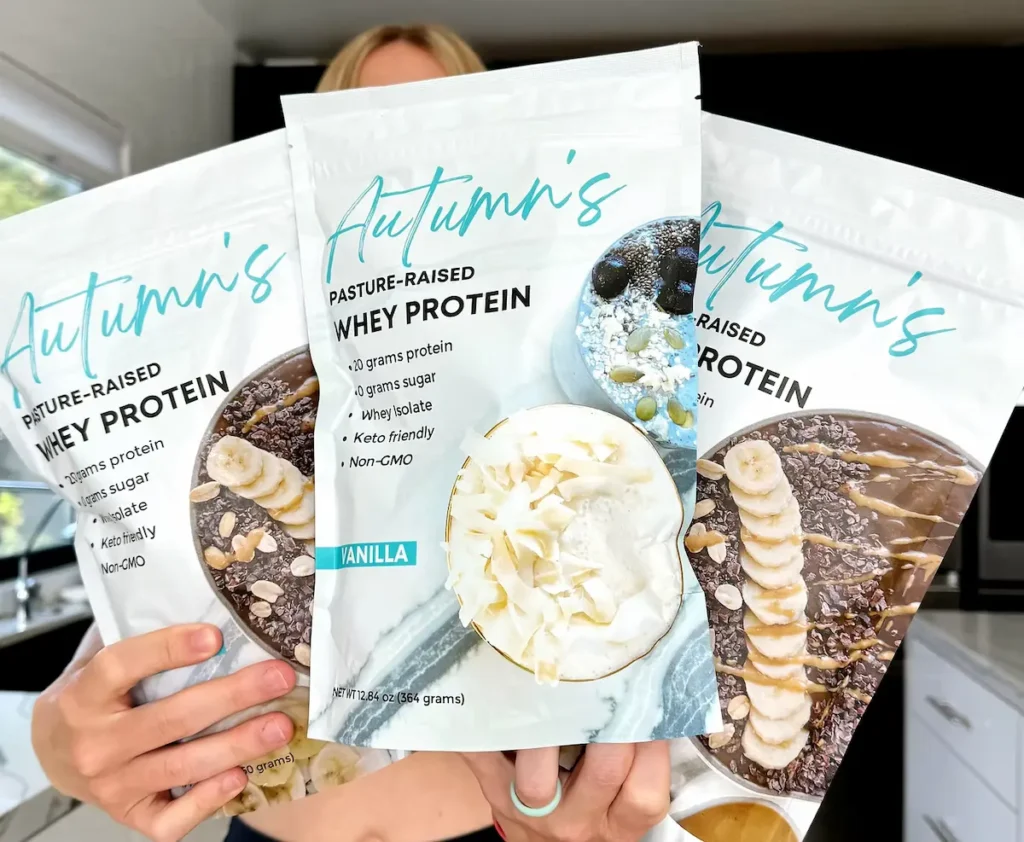


This easy guide teaches you how to use protein powder including how often to use it, when to take it, and what to put it in.
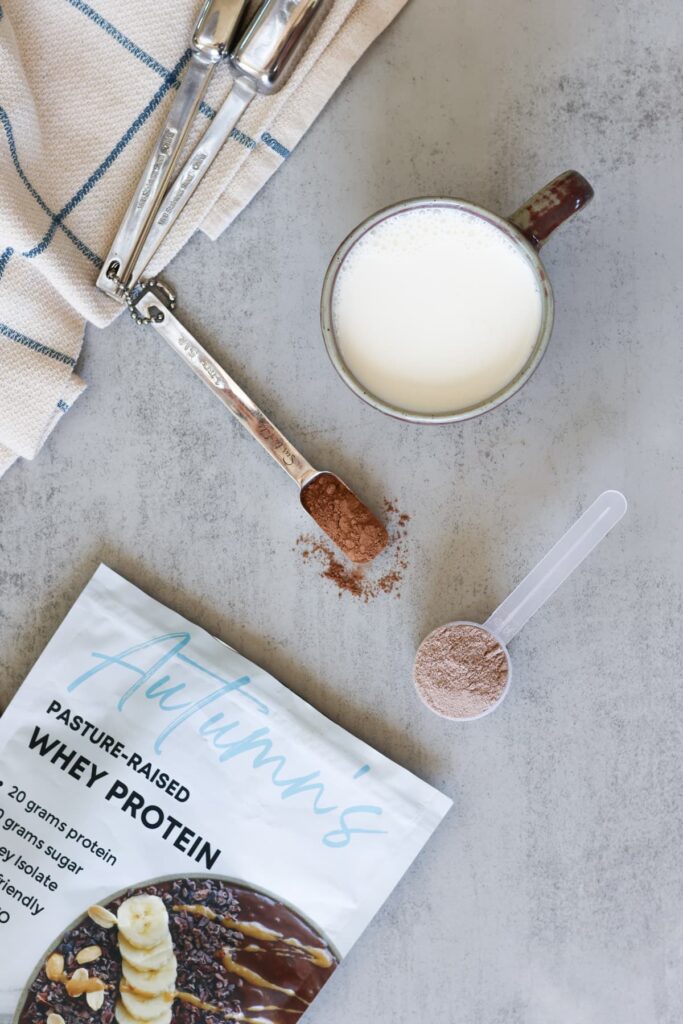
The tastiest “whey” to eat protein 😉
Protein powder is a really easy way to fill the gap in your daily protein needs so you can feel energized, support sustainable fat loss, preserve muscle, and promote general health and wellness goals. Women especially can benefit from daily protein powder use because they tend to have a harder time eating enough protein purely from whole food sources. And there are so many tasty ways to use it! In this post, I’m sharing how to use protein powder, common mistakes to avoid, and what you should put protein powder in. Plus a lot of delicious recipes!
Helloooo protein pancakes, smoothies, baked goods, and hot chocolate!
This post assumes that you’ve already chosen the protein powder that best fits your goals. If you aren’t sure which one you should choose, you can check out my blog post with those details here.
How To Use Protein Powder
Protein powder’s primary benefit is that it makes getting more protein into your diet a lot easier. Most people, especially women, tend to have a hard time hitting optimal levels of protein for their weight loss or fitness goals.
Related: My Free Protein Calculator
Under-consuming protein can lead to issues like decreased strength, increased cravings, more hunger, slower metabolism, reduced bone density, difficult recovery post-workout or injury, weaker immune system, and a harder time losing weight. So clearly eating enough protein is important for general health and optimized weight loss or fitness goals.
How Much Protein Powder To Use
A good rule of thumb is to aim for between 20-40 grams of protein powder per day. This provides a significant bump in protein while still leaving room for other whole food sources, such as beef, eggs, greek yogurt, and chicken. This amount is about 1 to 2 servings of protein powder (1 to 4 scoops), depending on the brand.
Related: How Much Protein Powder Per Day Is Best For Women?
How Often To Use Protein Powder
Because protein is a vital component to so many wellness and fitness goals, using it daily (if you choose to use it) is ideal. This helps you consistently eat enough protein for your goals and reduces the risk of eating too little protein.
When To Use Protein Powder
The time of day doesn’t matter so much as the consistency. It used to be believed that we had an “anabolic window” post-workout that was best for eating more protein. Now researchers have found that as long as you eat enough protein within a 24 hour period, then the specific timing doesn’t really matter. So rather than stressing on the specific time of day, just make sure you’re getting enough throughout the day — ideally evenly split between 3 meals.
So to recap how to use protein powder:
- Use the right amount (usually 20-40 grams per day for most people)
- Use it daily
- Time of day doesn’t matter, just eat enough each day
Common Mistakes To Avoid
There are quite a few practical mistakes that I see women who are new to using protein powder make on a daily basis. You’ll want to make sure you avoid these so that you see maximum benefit from your protein powder while ensuring it tastes great, too.
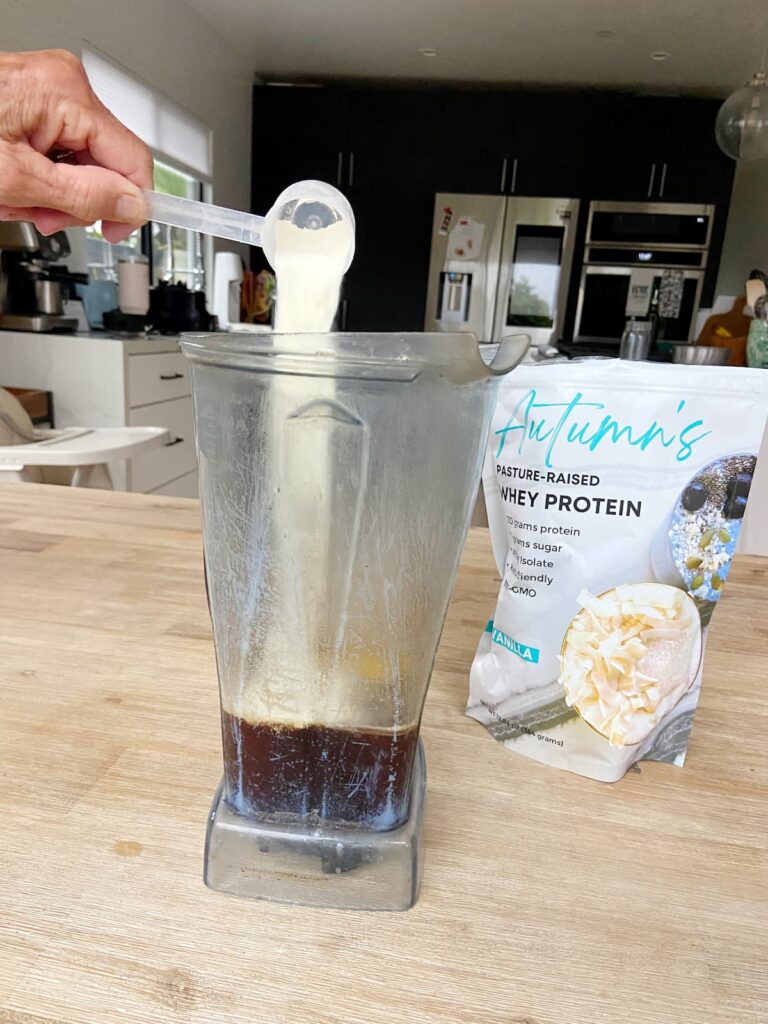
Using It In HOT Liquid
This is the most common practical mistake I see people make. If you stir protein powder into liquid that is too hot, it will curdle and clump. You’re essentially “cooking” the protein powder if the liquid is too hot. For this reason, protein powder should only be used in temperatures below 150 F (70 C).
If you like mixing protein powder into coffee or hot recipes like oatmeal, here are a few easy tweaks:
- For coffee: Add other cooler liquids (like milk or half and half) into the coffee before mixing protein powder in. This helps to cool the coffee down a bit. If you like black coffee, wait until the coffee has cooled enough that you can easily sip on it before adding protein powder.
- For oatmeal: Don’t cook oatmeal with protein powder. Wait until the oatmeal has fully cooked, then transfer it to your serving dish and then add the protein powder. Even then, you might want to wait a minute or two for the oatmeal to cool a bit further. A good quality protein powder won’t have issues fully dissolving into already cooked oatmeal.
Using Collagen Instead of “Protein Powder”
Collagen powder has its unique perks, but it does not have the same muscle preserving benefits that a good quality protein powder has. If you use collagen, make sure to use it in addition to protein powder, not in place of it.
Not Using Protein Powder On Days You Don’t Work Out
You don’t need “less protein” on days that you aren’t working out. In fact, on days you don’t workout the body is actively using protein to help repair muscles. Ideally, stick to consistently eating the same amount of protein every day to make sure you get the maximum health and wellness perks of protein.
ONLY Using Protein Powder
Protein powder is great for filling the gap in your daily protein intake, but it shouldn’t replace all of your protein sources. Other whole food proteins have additional perks like micronutrients and (sometimes) fiber. These are needed to properly fuel the body, prevent deficiencies, and make sure you feel your best. This is why I typically recommend using between 20-40 grams of protein powder per day and getting the rest from whole food sources.
How To Use Protein Powder In Recipes
There are a lot of different ways you can use protein powder. Below are some of the most common ways, plus example recipes and tips.
In a Shaker Bottle
This is historically the most common way protein powder is used because people would take protein powder after going to the gym to try and hit that “anabolic window”. Now that we know you can get protein throughout the day for the same perks, using a shaker bottle isn’t necessary.
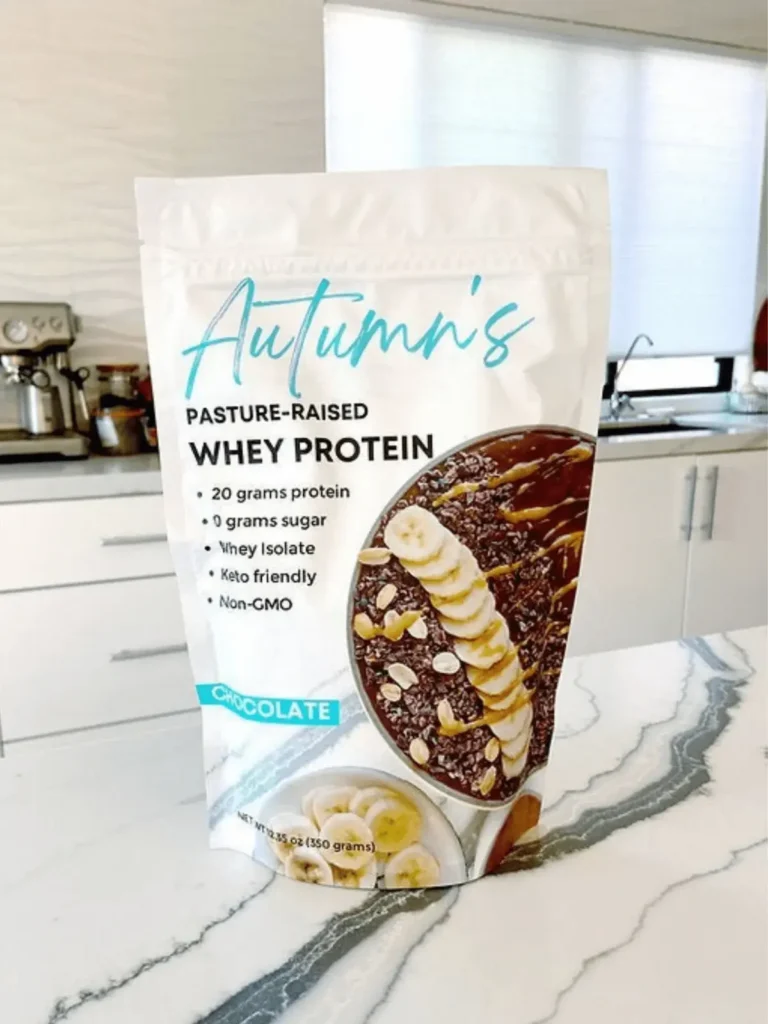
However, my husband loves mixing two scoops (20 grams) of our chocolate protein powder with milk in a shaker bottle after dinner for a tasty way to make sure he’s “topped off” on protein for the day.
If you were to use protein powder like this, here’s how you do it:
- Add 6-12 ounces of your milk of choice to a blender bottle. If you’re not lactose intolerant or carb sensitive, whole milk is a great choice. Otherwise unsweetened almond milk or coconut milk (from a carton, not a can) is good, too.
- Add a serving or two of protein powder. This could be 20 or up to 40 grams of protein powder. Adding the liquid first and then the protein powder helps to make it mix without as much shaking effort.
- Seal and shake very well. Make sure the blender bottle cap is fully capped and sealed. I’ve accidentally sprayed myself in the past from a slightly uncapped bottle, so you’ll want to avoid this! Then give it a very thorough shake, about 10-15 seconds of vigorous shaking.
- Uncap and enjoy. Pro-tip: I recommend using a tasty chocolate protein powder. This gives you a healthy “chocolate milk” experience. Yum.
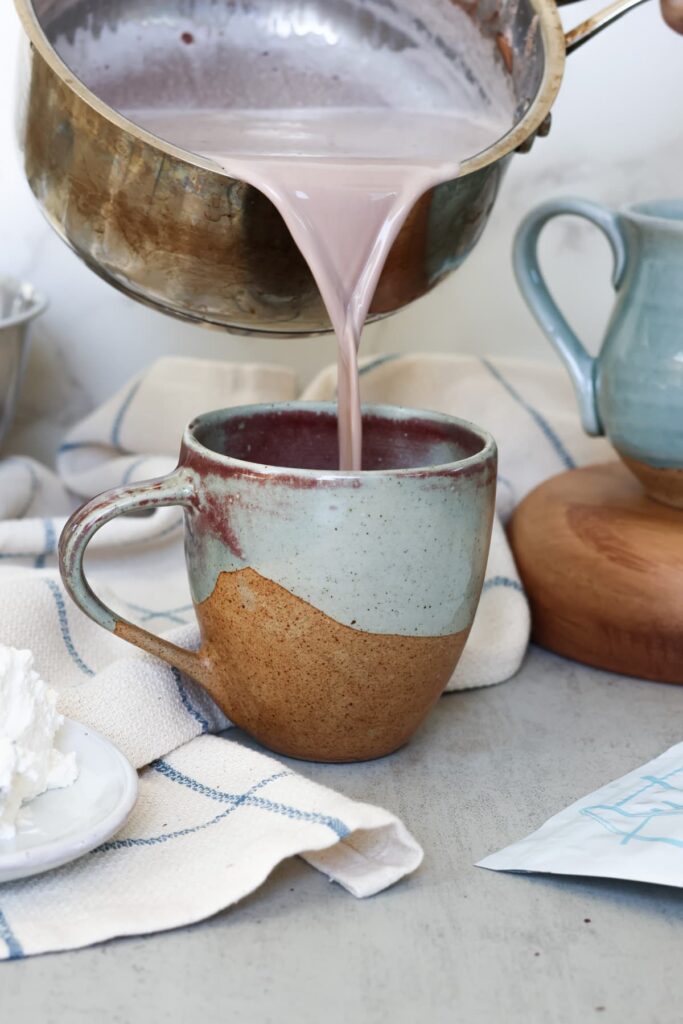
In Coffee, Tea, or Hot Chocolate
Adding protein powder into coffee, tea, or hot chocolate can be a great way to add protein and a hint of sweetness, without adding sugar. (Assuming you’re using a good quality, zero added sugar protein powder.)
The KEY thing to remember is to not add protein powder into very hot liquid. This will cause it to clump, as mentioned earlier. Make sure the liquid is cooled to 150 F (70 C) or cooler before adding it in.
These are my tried and true protein coffee and hot chocolate recipes:
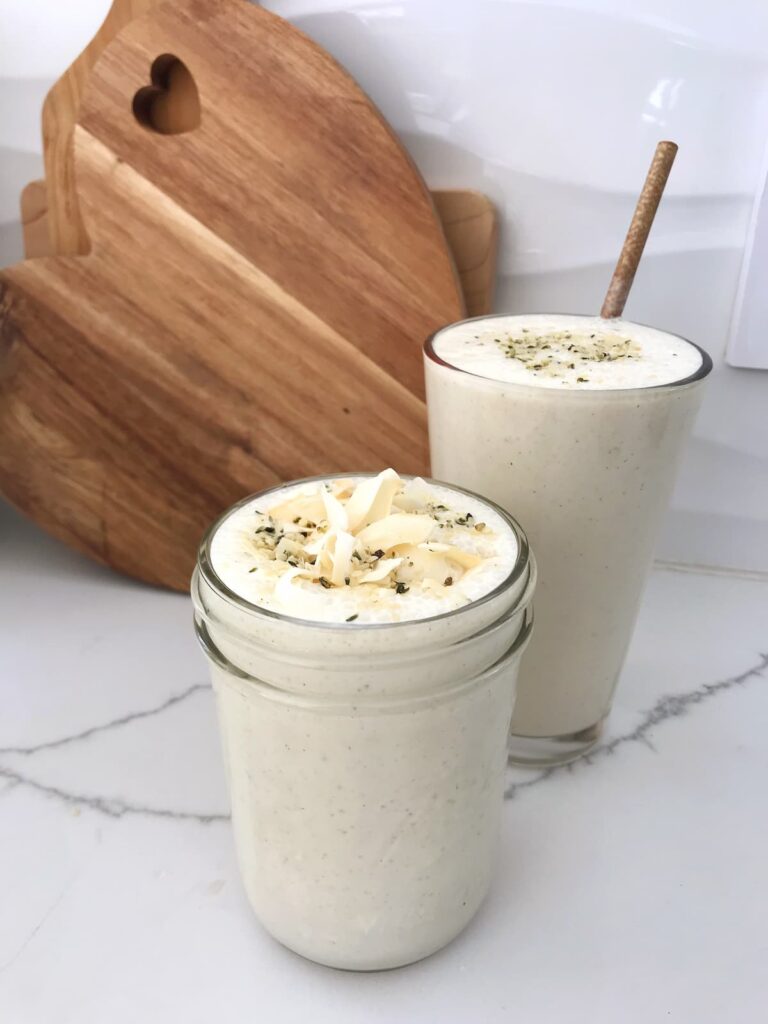
In Smoothies
This is my personal favorite way to use protein powder because you can load the smoothie up with all the ingredients you need for a complete meal — including protein! Practically speaking, it’s also one of the easiest ways to use protein powder. Just throw it in the blender along with your other ingredients, then blend and pour. Use this as either your breakfast or lunch.
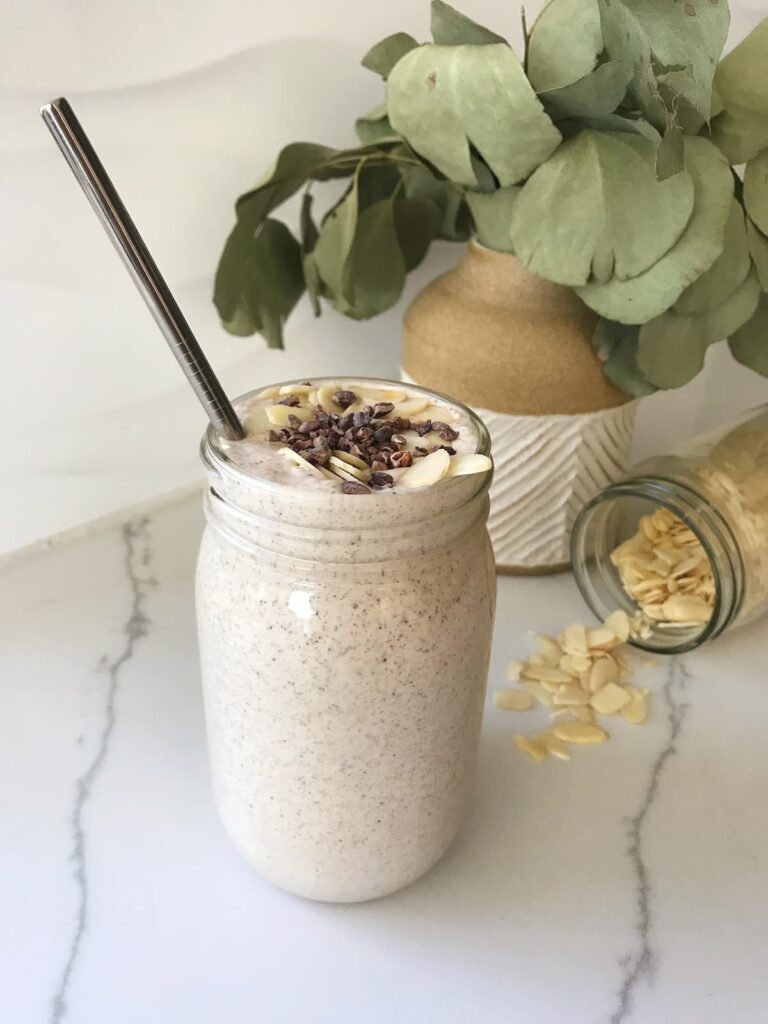
The key is making sure it’s properly balanced with protein, fat, and fiber to make it a complete, blood sugar-stabilizing meal. Below are some of my all-time favorites (which is saying a lot, as the self-proclaimed smoothie queen):
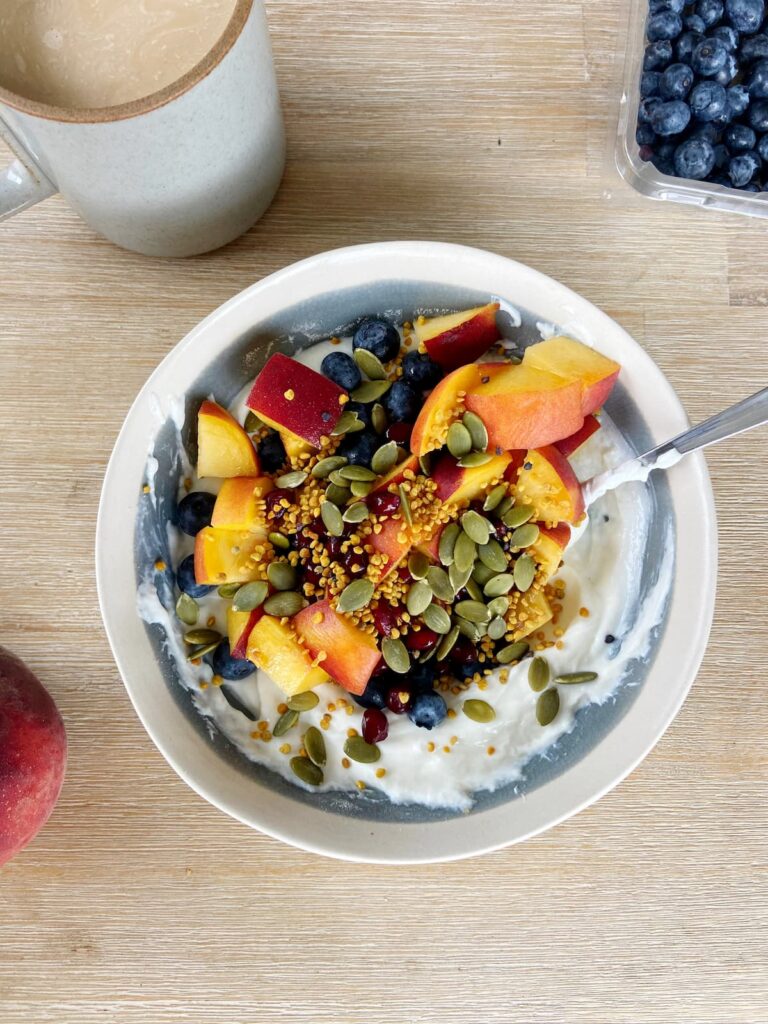
In Yogurt
A yogurt bowl is another excellent, simple, and delicious way to use protein powder. Adding protein powder into unsweetened greek yogurt significantly ups the protein while also reducing the “sour” flavor and adding a hint of sweetness — all without adding sugar!
The major thing to remember is using the right type of protein powder. Certain protein powders will clump or make a yogurt taste chalky — typically these are the plant-based ones. Ideally opt for a zero added sugar whey protein isolate. This tends to mix the easiest for a smooth, creamy yogurt bowl.

In Baking or Pancakes/Waffles
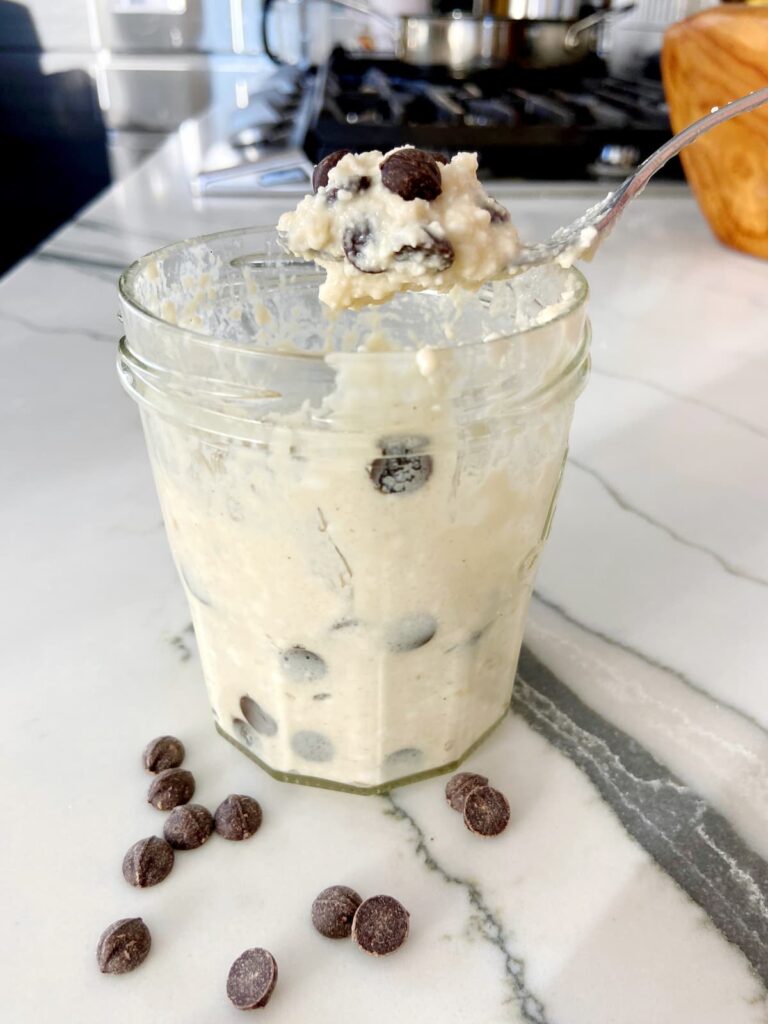
Adding protein powder into healthy baked goods or using it in pancakes or waffles is a great way to sneak extra protein into an otherwise low protein meal. But one huge thing to note is that protein powder can make baked goods taste dry. This is because protein powder absorbs liquid quite easily.
To remedy this, most recipes will add a bit extra liquid or hydrating ingredients, like greek yogurt. Depending on humidity or cooking utensils, you may need to adjust the amount of liquid used each time. If you’re new to baking with protein powder, I don’t recommend just throwing some protein powder into a recipe. Instead, experiment with tried and true recipes first so you can get the hang of it.
Below are some of my favorite recipes using protein powder in this way:
- Chocolate Chip Protein Muffins With Chickpeas
- Pumpkin Spice Protein Mug Cake
- Chocolate Chip Protein Pancakes
One more thing to note: Just because protein powder is in baked goods, doesn’t automatically make it healthy. Make sure the recipes you use have specifically been developed to also support weight loss or wellness goals (such as those above).
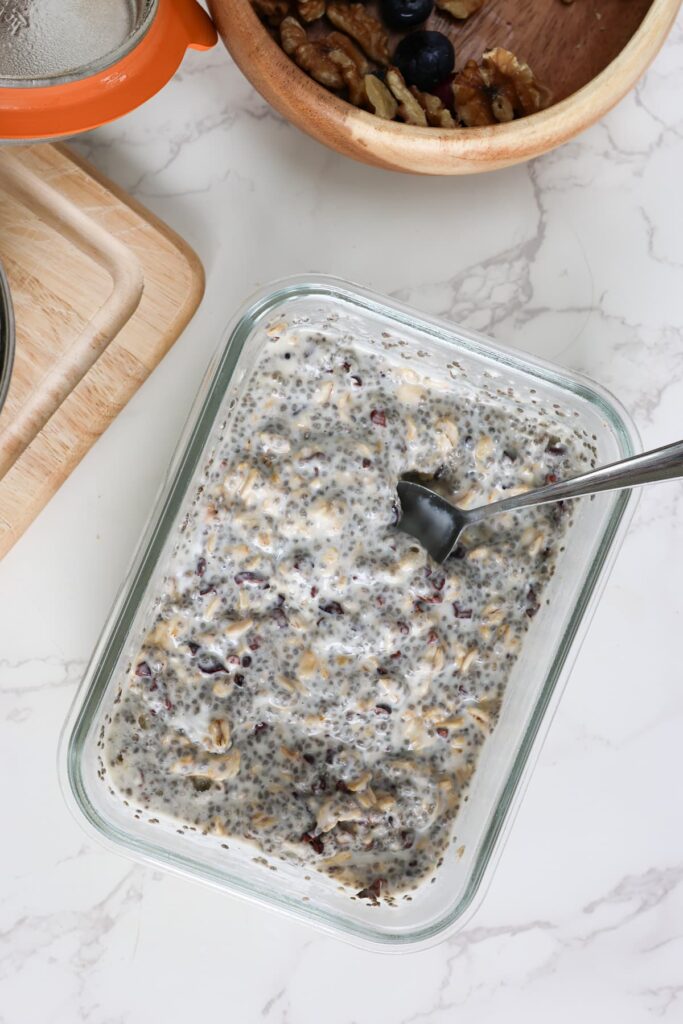
In Oatmeal or Overnight Oats
When using protein powder in oatmeal be cautious of the temperature so that the protein doesn’t clump. Make sure to stir the protein powder into already cooked and slightly cooled oatmeal — around the same time you would also add your toppings, like sliced fruit.
When using protein powder in overnight oats, you don’t have to add ingredients in any special order since you aren’t heating it. Just mix everything the night before, store in the fridge, and you’re good to go.
Related: My Viral High Protein Overnight Oats Recipe
In Chia Pudding
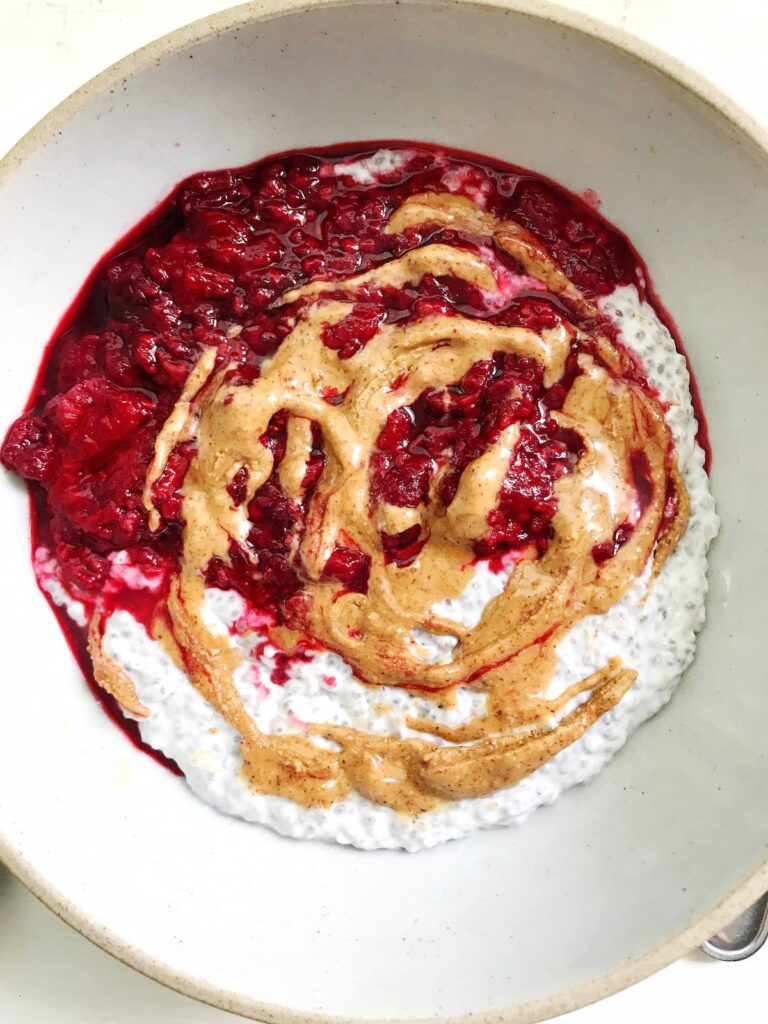
Chia pudding is very similar to overnight oats in how it’s prepped. Just make sure you have a good recipe! Below are some of my favorites:

In Soup
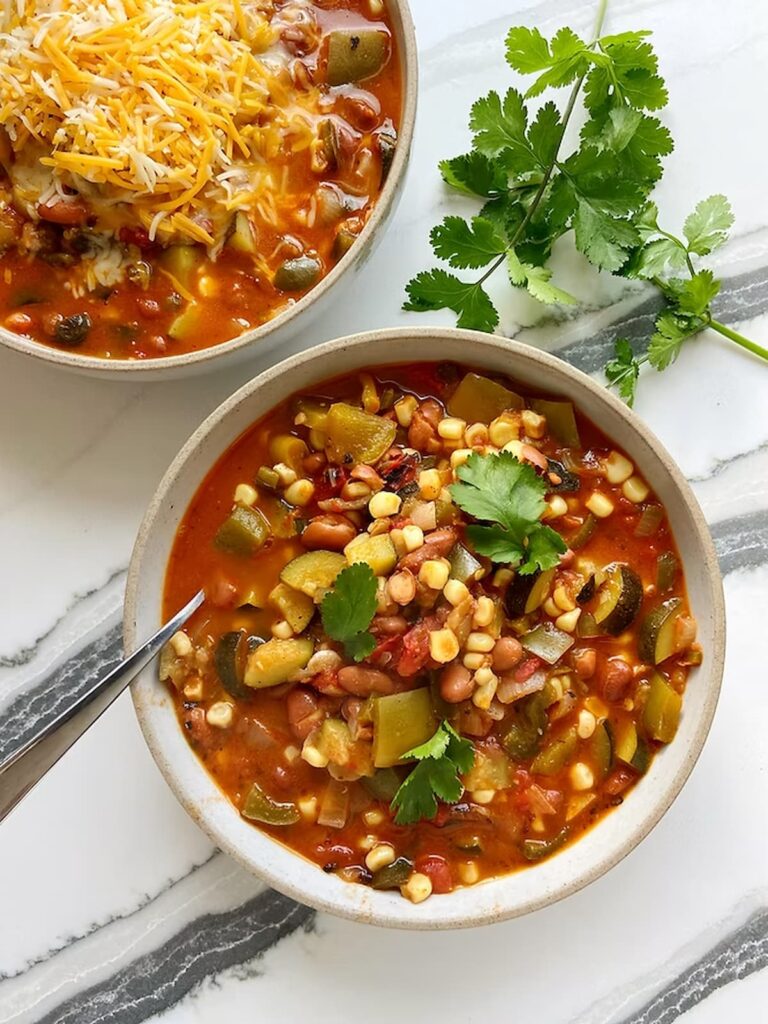
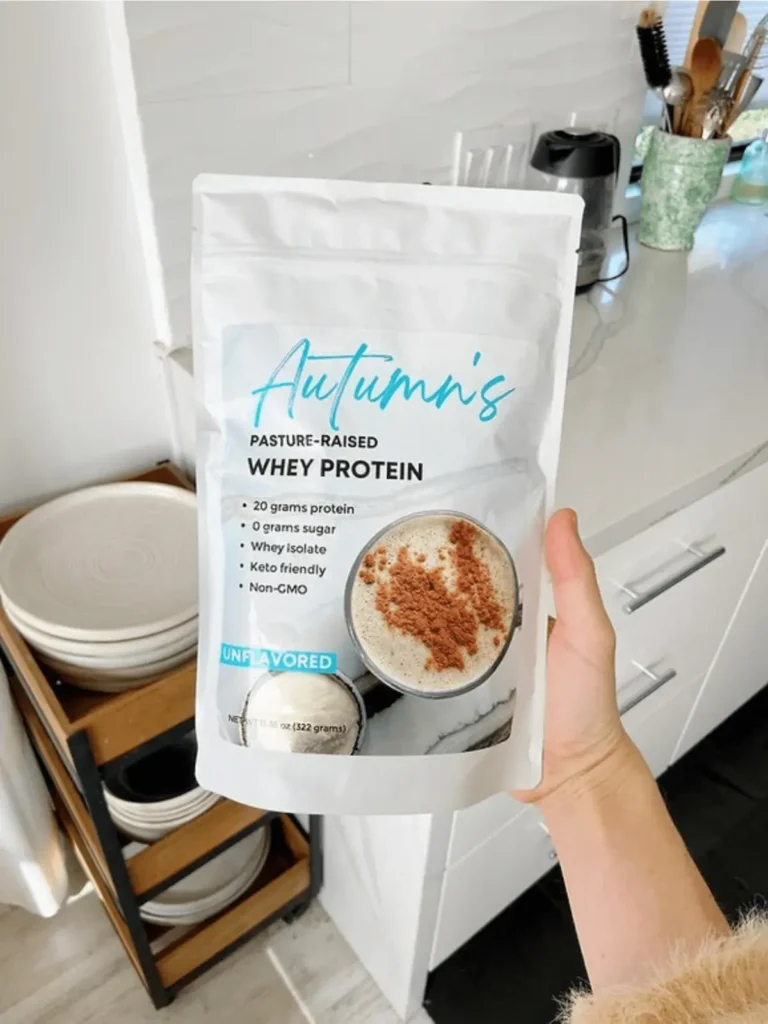
This is a great use case for unflavored protein powder. A good quality unflavored protein powder should easily blend into soup without altering the flavor. And considering soups are often very low in protein, this can help to really bump it up.
Here are a few tips:
- Use a brothy soup: Chunky soups make it harder to mix protein powder in. Things like broccoli or butternut squash soup are great.
- Let the soup cool first: Don’t cook protein powder with soup. It’ll get clumpy. Instead wait until the soup is done, let it cool to 150 F (70 C) or cooler, then add the protein powder in.
- Use an immersion blender or whisk: I like the immersion blender because it blends the protein powder in much faster.
- Use an unflavored whey isolate: Texture is key here. You want to avoid adding a chalky taste or texture. Unflavored whey isolate does that job best.
Kickstart Your Journey
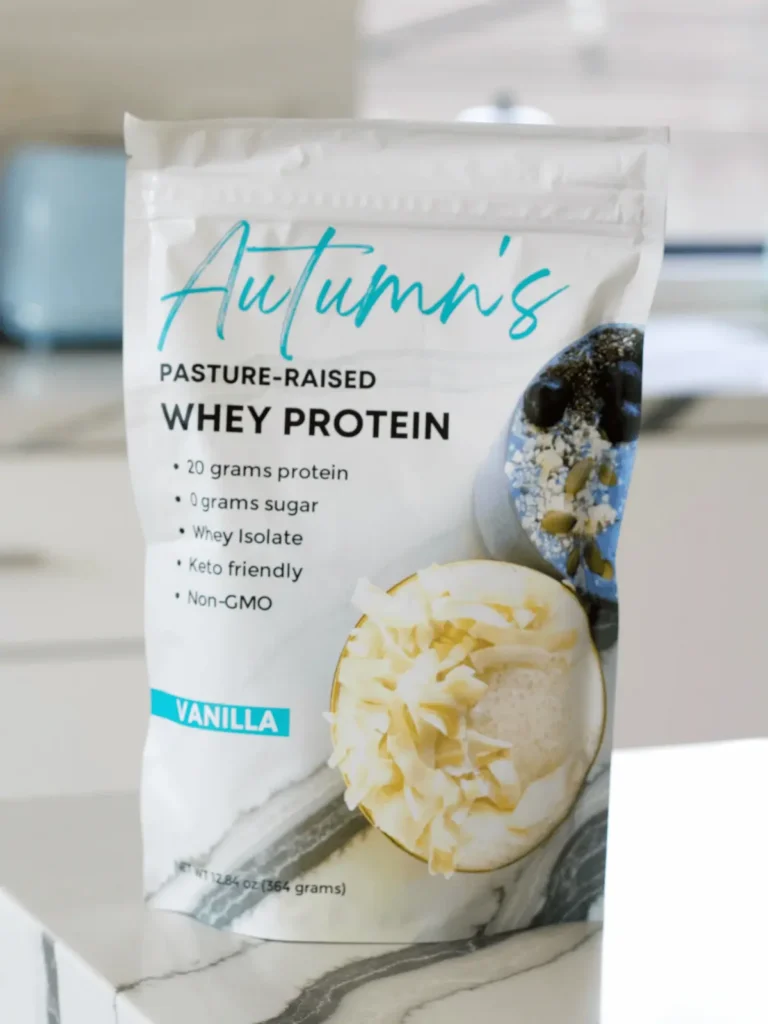
Shop Autumn’s Whey Protein Powder
Our delish bestselling zero added sugar, gluten & heavy metal tested whey protein powder!
Final Thoughts
Protein powder is a really easy way to fill the gap in your daily protein needs so you can feel energized, support sustainable fat loss, preserve muscle, and promote general health and wellness goals. And there are so many tasty ways to use it! Just make sure to use the right type of protein, in the right amount, and in a way that you enjoy. Consistency will always win out over perfection.
Studies
High Protein Diet and Weight Loss