

These are the simple, science-backed tips designed to help naturally balance cortisol levels and feel better faster.

Feeling stressed? Overwhelmed? Achy? Anxious? Have unexplained weight gain or difficulties losing weight? Am I starting to sound like an advertisement for a purposefully vague medication yet?
Well, that’s because one sneaky hormone really can manifest in a variety of different negative outcomes when it’s improperly balanced. Say hello to our little hormone friend, cortisol. And if you stumbled across this page, then it might be a sign that you need to balance it out.
What is Cortisol?
Cortisol is most well known as the “stress hormone”, but it does a lot more than make us feel “stressed”. Here are just a few examples of what cortisol does for our body:
- Helps provide energy to wake us up in the morning.
- Makes intense exercise possible by releasing sugar from the liver.
- Fuels us to think quickly or escape dangerous situations.
Overall, cortisol promotes a state of “fight or flight”. This is super important and necessary to get the most out of our workouts, feel energized, and stay safe. When it’s turned on, it simultaneously turns off “rest and repair” mode because you can’t have both systems running at the same time.
There are quite a few hormones that promote “rest and repair”, but one of the main ones is our sleep hormone, melatonin. When we sleep, we quite literally repair and restore our body, brain, muscles, and cells. Think of things like recovering from your workout, processing memories, and restoring immune cells — all of this happens when we sleep.
The problem with cortisol comes in when we are constantly overwhelmed with it. This keeps our heart rate up, our breathing shallow, and our body flooded with sugar. Because of this, chronically high (or improperly balanced) levels of cortisol can lead to insulin resistance, severe sugar cravings, poor sleep, feelings of anxiety, poor muscle recovery, and weight gain (especially around the belly), to name a few.
Balance, Not Detox
We don’t want to get rid of cortisol. There’s actually a disease known as adrenal insufficiency or Addison’s disease that’s characterized by low cortisol. It results in issues like chronic fatigue and low blood pressure. There’s a reason we have cortisol, we just don’t want to be dominated by it.
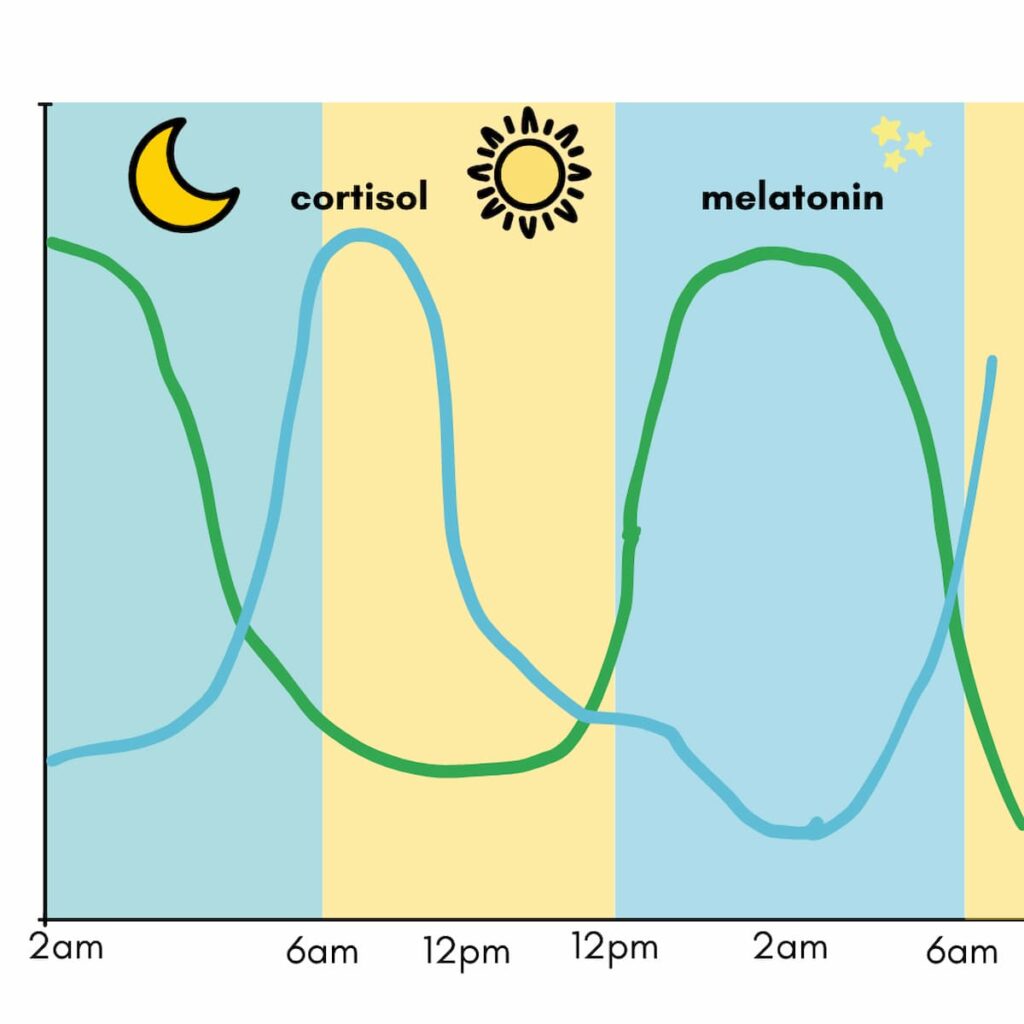
Our body has a built-in cortisol balance that’s structured around the time of day. Cortisol naturally peaks in the morning to wake us up and boost our energy levels, whereas melatonin starts to rise as the sun sets, peaking around 2am for maximum rest and repair. When we eat, move, and sleep according to this cycle, we can take advantage of the energy boosting effects of cortisol without the downsides of excess. To keep it simple, this looks like optimizing our mornings for cortisol and our afternoons for melatonin.
What Happens When We’re Out of Balance
In today’s world, it’s common to see this graph shift. When cortisol is spiked throughout the day, rather than slowly declining, it can shut down melatonin or throw it out of balance. This can lead to poor sleep and all the negative downstream effects that has such as:
- increased muscle soreness and breakdown
- feeling a lot more hungry
- increased insulin resistance
- harder time burning fat
- more sugar cravings
- easier time gaining weight (especially around the belly)
Not to mention poor sleep makes us feel tired. And what does our body do when it’s tired? It tries to wake us up! Cue even more cortisol flooding the system and perpetuating this imbalanced cycle.
So if you notice that you suddenly have more sugar cravings, extra sore muscles (especially a few days after a workout), a hard time falling asleep, or difficulties losing weight, then it might be time to take a look at your routine and make some changes.
Causes of Imbalance
Anything that causes cortisol to spike frequently and consistently beyond 12pm can lead to an imbalance. Here are a few common examples that I’ve seen over the last decade with my clients and community:
- Excessive caffeine, especially after 12pm
- High emotional stress
- Zero wind-down routine at night
- Too much or too little exercise
- Too much time spent indoors
- Too much time spent on your phone
- Watching TV/working on your laptop 1-2 hours before bed
- Too much sugar
- Too much alcohol
Usually it’s not one single thing that’s causing cortisol to be excessively spiked, rather multiple factors working together that keeps cortisol high.
How to Rebalance
The goal isn’t to get rid of stressors. That’s unrealistic and, honestly, unfulfilling. Some stress is good and needed to make the body healthy and resilient. For example, exercise is a stressor and is extremely helpful for weight loss, promoting a healthy immune system, and improving bone strength. But too much exercise can lead to overtraining, fatigue, difficulties losing weight, and ironically muscle and bone loss.
Take a look back at the list of what often leads to an imbalance. Are there any that stand out to you? Perhaps you have a sweet tooth and are taking in a bit too much added sugar. Or maybe you like to scroll on Instagram while laying in bed. Whatever the potential cause, take note of it and address it.
In addition to that, it’s crucial to eat foods and exercise/sleep in a way that supports cortisol and melatonin balance.
Cortisol Detox Diet
We’re using this term “detox” lightly, because we don’t want to get rid of cortisol — it’s not a toxin. Instead, we want to rebalance it. So you can think of this more as a diet that supports balanced cortisol rather than “flushing it out”.
The main dietary contributors to imbalanced cortisol are added sugars, alcohol, and caffeine. Added sugars and alcohol can both cause spikes and crashes in blood sugar. When blood sugar crashes, the body pumps out cortisol to tell the liver to start making more glucose. On the other hand, caffeine can trigger cortisol by activating “fight or flight” mode in the body.
To help bring cortisol back in balance, we need to eat and drink in a way that stabilizes blood sugar and prevents fight or flight mode. This means emphasizing protein, fat, and fiber rich meals. Below are easy tips to help balance cortisol with your food.
5 Food Tips to Balance Cortisol

Cut out or greatly reduce added sugars
This includes cane sugar, dried fruit, fruit juices, high fructose corn syrup, coconut sugar, agave nectar, honey, maple syrup, and all other sugars. If you have a sweet tooth and you’re not sure how to start cutting out sugar, checkout my 7 Day Detox program. This is a great way to kickstart your journey and help reduce cravings.

Jumpstart your wellness journey
7 Day Detox
The 7 Day Detox provides a complete reset for your body, naturally promoting detoxification while curbing sugar cravings with a structured plan.
Reduce or remove alcohol
Ideally cut it out all together. No amount of alcohol is shown to be better for you than zero alcohol. But if you enjoy the occasional glass of wine, the best option is zero sugar, dry farmed wines. I like the company Dry Farm Wines for quality, zero added sugar wine.
Eat 30+ grams protein at each meal
Protein is one of the easiest ways to stabilize blood sugar levels and therefore support balanced cortisol. Focus on quality sources from foods like beef, cottage cheese, greek yogurt, eggs, tempeh, chicken, fish, and chickpeas.
Related Reading: Complete Protein Foods List [30 Grams Protein Each]
Eat 10+ grams fiber at each meal
Along with protein, fiber is excellent at helping to stabilize blood sugar levels. It’s also useful for preventing hunger and squashing cravings. I recommend whole food sources of fiber, such as lentils, chia seeds, edible basil seeds, artichoke heart, beans, and raspberries.
Download my free high fiber food list HERE.
Keep caffeine to 100mg or less per day
If you’re not very sensitive to caffeine, then you might be able to have as high as 200mg. But if you’re looking for a faster reset, dropping caffeine down to 100mg or less is ideal. This looks like 8 ounces black coffee or 1-2 shots espresso.

3 Day Cortisol “Detox” Diet Plan
Below is an example three day meal plan that focuses on balanced blood sugar, quality proteins, and nutrient dense foods.
Day 1
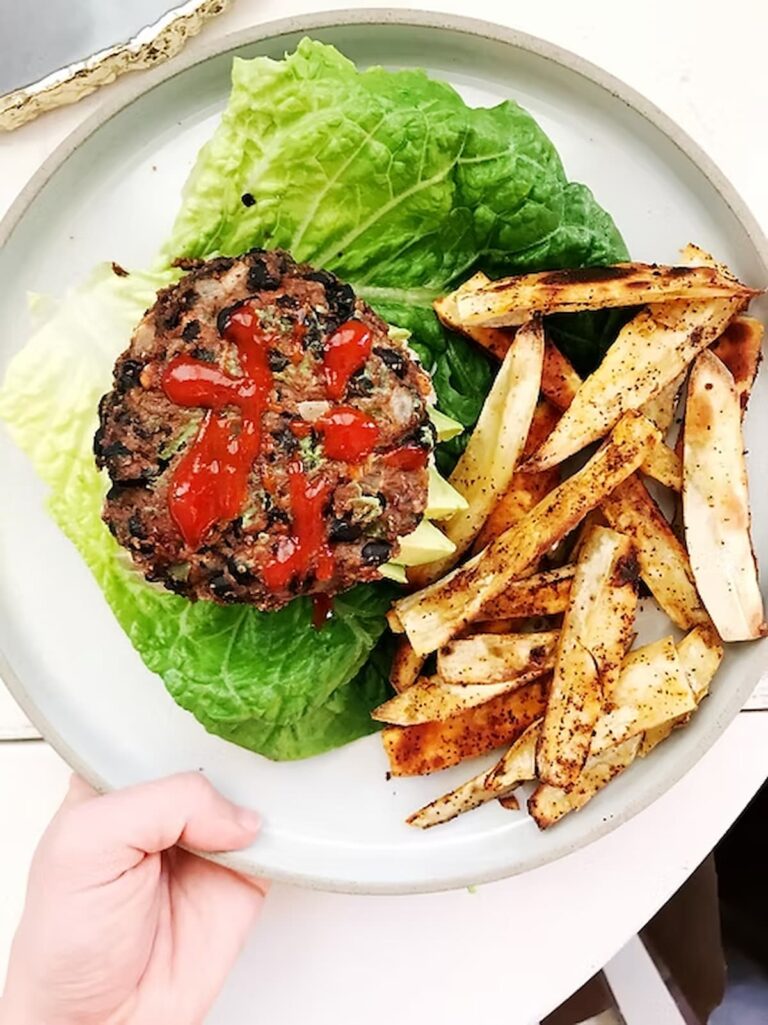
Breakfast: High Protein Overnight Oats; Great for meal prep!
Lunch: Curry Egg Salad Wrap; A fun spin on traditional egg salad.
Dinner: Healthy Chicken Enchiladas; High protein, super flavorful.

Day 2
Breakfast: Anti-Inflammatory Golden Milk Smoothie; Nourishing ingredients.
Lunch: Summery Caprese Salad; Crunchy and light.
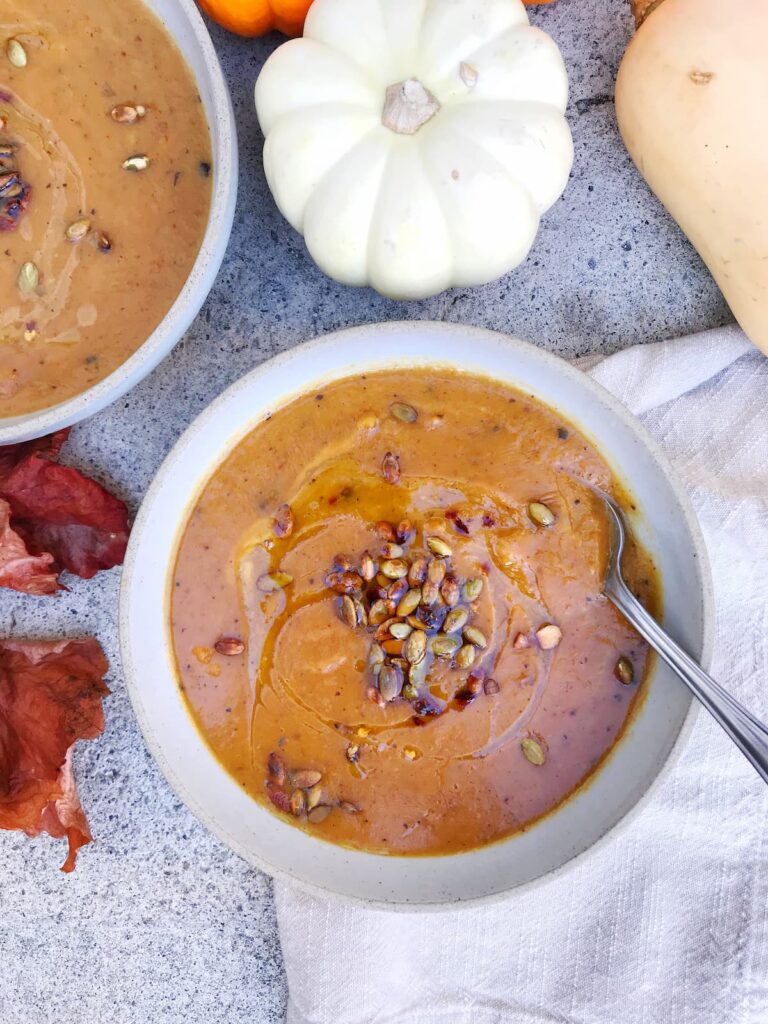
Dinner: Spiced Roasted Vegetable Soup with Grilled Chicken; Cheesy veggie goodness.
Day 3
Breakfast: Pumpkin Spice Low Carb Oatmeal; Grain-free and very filling.
Lunch: The Viral Blueberry Cottage Cheese Bowl; Viewed by millions.
Dinner: Spicy Bone Broth Chili; Fiber, protein, and natural sources of collagen.

3 Lifestyle Tips to Balance Cortisol
Food is just one part of the equation. But other factors like proper sleep and exercise are also crucial. Below are powerful lifestyle tips to help promote balanced cortisol.
Go to bed by 10pm
Staying up past 11pm can result in a “second wind” phenomenon. By staying up late, you can actually trigger cortisol to be released, making it even harder to fall asleep. Plus, the majority of our restorative sleep happens in the first few hours of the night, which is why prioritizing an earlier bed time isn’t just a “nice to have”, but a must.
Here are a few tips to get to bed earlier:
- Plan to have all TV off by 9pm at the latest.
- Try a magnesium supplement. This can promote deep, quality sleep.
- Plug your phone in by 9pm and don’t look at it after that.
- Get a good, non-stimulating book to read in bed before 10pm. This is great to help unwind.
Create a balanced workout schedule
Too much can lead to overtraining and raise cortisol. Too little can prevent you from getting good sleep. The goal is to find the “goldilocks” level of exercise for you. Each person will be different based on your current activity level and capacity for recovery.
But here is an ideal schedule (for most people):
- 3-5 days per week resistance training (20-40 minute sessions)
- Daily walking (7000 steps or more)
- 1-3 days of cardio (20-30 minutes running, biking, swimming, etc.)
Spend time outside in the morning, afternoon, and evening
Early light exposure can help to balance morning cortisol levels. Midday sunlight keeps you alert and awake while also reducing stress levels. Evening low light (sunset or even darkness) exposure lets your brain know it’s time to wind down and start pumping up melatonin. Try spending 10 minutes or longer during each of these three times of day outside.
Final Thoughts
There are plenty of other causes of chronically high levels of cortisol, especially related to emotional and physical stress. But by focusing on daily lifestyle and dietary habits that promote balanced hormones throughout the day, it can help you feel better, get amazing sleep, recover properly, reduce stress, and ultimately make handling any other experiences that heighten cortisol a lot easier.