

These are the best high protein high fiber foods for fat loss. Plus how to put it all together with simple and delicious meal ideas.
Eating high protein high fiber foods is one of the easiest, most sustainable fat loss tools you can use. It shuts off hunger, helps prevent weight loss plateaus, and prioritizes burning fat (not muscle), all while eating until satisfied and not counting a single calorie.
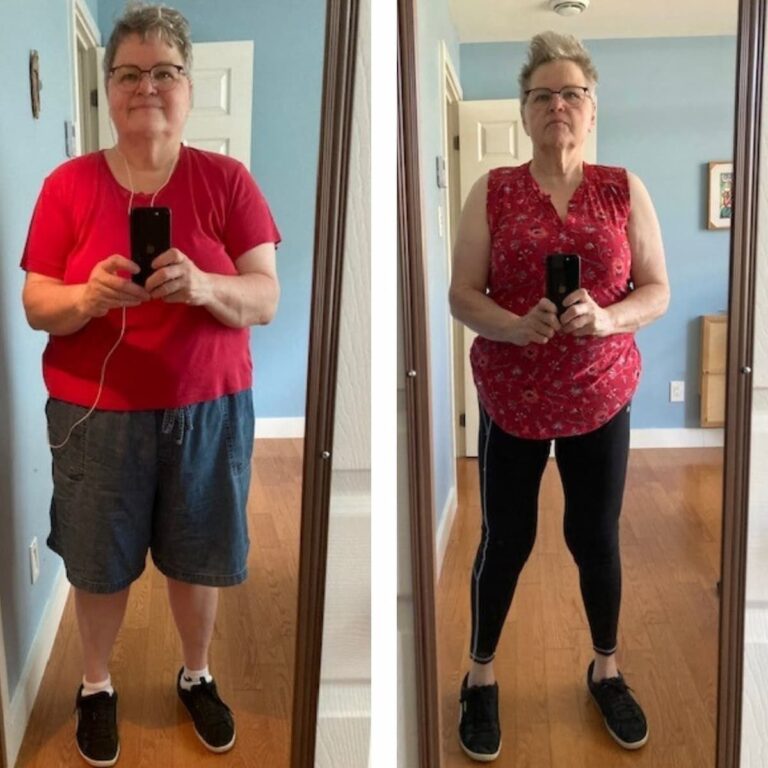
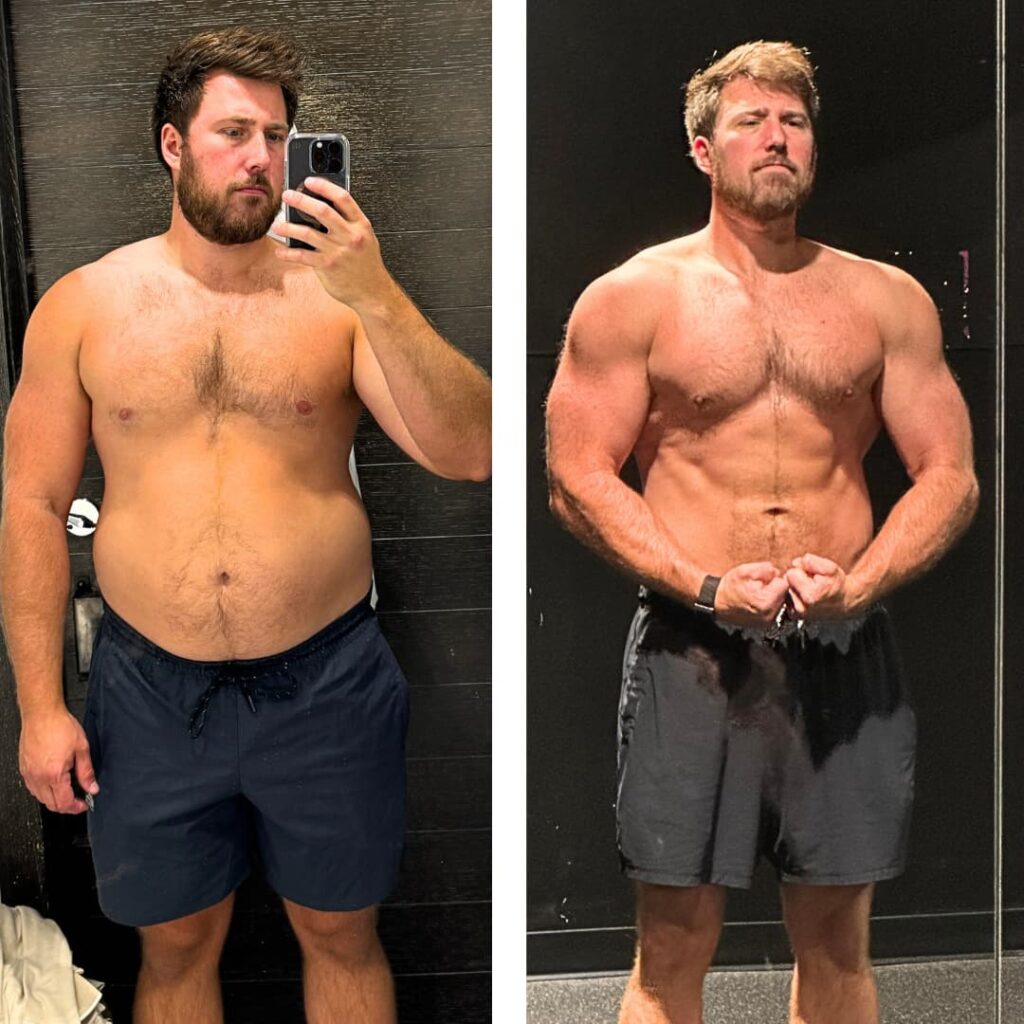
As a Clinical Nutritionist, I’ve seen these foods help thousands of men and women around the world (like Dolly, pictured below) to lose fat, keep muscle, and feel good again.
So today I’m sharing 22 high protein high fiber foods that you can build every meal around to help support your fat loss journey.

The Science of Satiety: Why Protein and Fiber Are the Ultimate Fat Loss Combo
Combining high protein and high fiber foods promotes fat loss by slowing down how quickly you breakdown food and triggering the release of fullness hormones like peptide YY and GLP-1. But feeling full is only part of the equation.
How High Protein Diets Work For Fat Loss
High protein diets raise peptide YY and GLP-1 which makes you feel really full. When you’re full, you’re less likely to reach for a sugary treat or snack between meals. And this impact is strong. Keep in mind, increasing GLP-1 and shutting off hunger is one of the main tools weight loss medications like Ozempic and Wegovy rely on. Feeling satisfied after eating is an incredibly effective way to lose weight — and specifically body fat, when you eat more protein.
Research shows this boost in satiety tends to result in people eating about 441 calories less per day (without actively trying to restrict their intake). That’s the caloric equivalent of running 4.5 miles everyday just from eating more protein.
But on top of that, protein also helps to prevent weight loss plateaus by stopping muscle breakdown while losing weight. This ensures someone can burn the most fat and the least muscle while on a weight loss journey.
For most people, they need between 30-50 grams of protein per meal or 90-150 grams protein per day to see these benefits.
Related: Free Protein Calculator (Find Out How Much You Need To Eat)
How High Fiber Diets Work For Fat Loss
Fiber doesn’t help with muscle loss, but it does fill a unique gap that protein has — it makes you full really quickly. The fullness effects of protein can take about 30 minutes to kick in. Fiber on the other hand can make you feel full immediately after your meal. Just 10-15 grams of fiber per meal (or about 30-50 grams per day) can do the trick.
When you eat high fiber foods, it swells up and takes more physical space in your stomach. This stretching signals the brain that you’re full and need to stop eating. Because the stomach is the first stop in digestion (other than your mouth), this hits you before satiety hormones have the chance to do its thing. As a result, you don’t feel the need to “eat a little something” after breakfast, lunch or dinner. No bites of chocolate or handfuls of chips. You’re just full.
So by combining protein with fiber, you feel full now and 4 hours from now while also primarily burning fat, not muscle. This is called feeling satiated. And that’s the power we’re harnessing with these high protein high fiber foods.

A Note On Calorie Counting
Autumn Bates, CCN, MS, BS, CPT
You’ll notice I don’t list calorie counts for the foods in this guide. As a Clinical Nutritionist, I focus on satiety density over calorie restriction. When you anchor your meals around 30g of protein and 10g of fiber, your body naturally regulates appetite hormones like GLP-1, allowing you to achieve fat loss without the burnout of counting calories.

“2-in-1” Satiety Powerhouses (High in Both)
Here are the top foods high in protein and high in fiber. Keep in mind that you’ll still need to get the vast majority of your daily protein from the “High Protein Anchors” (below) to support sustainable fat loss.
1. Chickpeas
Satiety Profile (per 1 cup): 15g Protein | 13g Fiber
Cooked chickpeas provide 15 grams of protein and 13 grams of fiber per 1 cup. Although they aren’t a complete protein, they rank fairly high in protein quality (according to the DIAAS score). They’re also easy to use in any dish due to chickpeas mild flavor — including baked goods! Trust me, they make amazing muffins and blondies.
Recipe Idea: Chocolate Chip Protein Muffins With Chickpeas
2. Tempeh
Satiety Profile (per 5 oz.): 29g Protein | 5g Fiber
Tempeh is a fermented soy product and provides 29 grams of protein and 5 grams of fiber per 5 ounce serving. It’s also the only complete protein that’s also high in fiber. For that reason, this is a great protein source for plant-based folks to rely on, while also sneaking in a good amount of fiber.
Recipe Idea: Viral Dirty Cabbage (use the tempeh swap suggestion in this recipe)
3. Black Beans
Satiety Profile (per 1 cup): 14g Protein | 18g Fiber
Black beans provide 14 grams of protein and 18 grams of fiber per cup. That’s a lot of fiber! The protein in black beans is not complete, so don’t rely on it to help prevent muscle loss. But all that protein and fiber will definitely fill you up.
Recipe Idea: Poblano Black Beans
4. Split Peas
Satiety Profile (per 1 cup): 16g Protein | 21g Fiber
With 16 grams of protein and 21 grams of fiber, split peas are the highest fiber food on this list. Plus, split peas are considered borderline good quality protein, making it a decent plant-based source.
Recipe Idea: Classic split pea soup
5. Pinto Beans
Satiety Profile (per 1 cup): 15g Protein | 15g Fiber
Pinto beans provide 15 grams of protein and 15 grams of fiber. Like black beans, the protein from pinto beans is incomplete, but still very filling. If you’re sensitive to bloating from beans, pinto tends to cause more gas. Opt for black beans instead if your belly has a hard time.
Recipe Idea: The Best Healthy Chicken Enchiladas (stir 1 can drained pinto beans into the base before baking)
6. Navy Beans
Satiety Profile (per 1 cup): 15g Protein | 19g Fiber
Navy beans provide 15 grams of incomplete protein and 19 grams of fiber. This puts navy beans as the second highest fiber food on this list.
Recipe Idea: Spicy Bone Broth Chili (sub out the black beans for navy beans)
7. Lentils
Satiety Profile (per 1 cup): 18g Protein | 12g Fiber
Lentils provide 18 grams of protein and 12 grams of fiber per cup. But it’s important to note that the protein quality (DIAAS score) of lentils is very poor. Use lentils for the satiety boost, and pair it with your protein anchors below for best fat loss specific results.
Recipe idea: add 1/2 cup cooked french lentils to an arugula and avocado salad.
8. Kidney Beans
Satiety Profile (per 1 cup): 14g Protein | 10g Fiber
Kidney beans provide 14 grams of protein and 10 grams of fiber per cup. Although these aren’t as high in protein or fiber as other foods on this list, kidney beans are larger and “meatier”, which can add a more satisfying chew to a meal.
Recipe Idea: Portuguese-Style Simmered Beans
9. Green Peas
Satiety Profile (per 1 cup): 8g Protein | 7g Fiber
Green peas (like the type you keep a bag of in your freezer) provide 8 grams of protein and 7 grams of fiber per cup. Because they’re freezer friendly, you can quickly toss green peas in pretty much any meal for a boost of fiber. The protein is incomplete, but the DIAAS is decent for a plant-based source.
Recipe Idea: add 1 cup frozen peas to the Best Shepherd’s Pie.
High Protein Anchors (Base Ingredients)
Here are your high protein anchors. None of these are high in fiber (or contain any at all), but they are very high in quality protein. Each contains all 9 essential amino acids and ranks very high on the DIAAS score (a measurement of protein quality). These will be important to include at every meal to hit the protein portion of your goal.
10. Chicken and Turkey
Satiety Profile (per 4 oz. cooked): 35g Protein | 0g Fiber
Chicken and turkey provide 35 grams of protein and zero fiber per 4 ounce cooked serving. Poultry is also high in a type of amino acid called leucine, which is critical for muscle recovery after a workout.
Recipe Idea: Chicken Crust Pizza
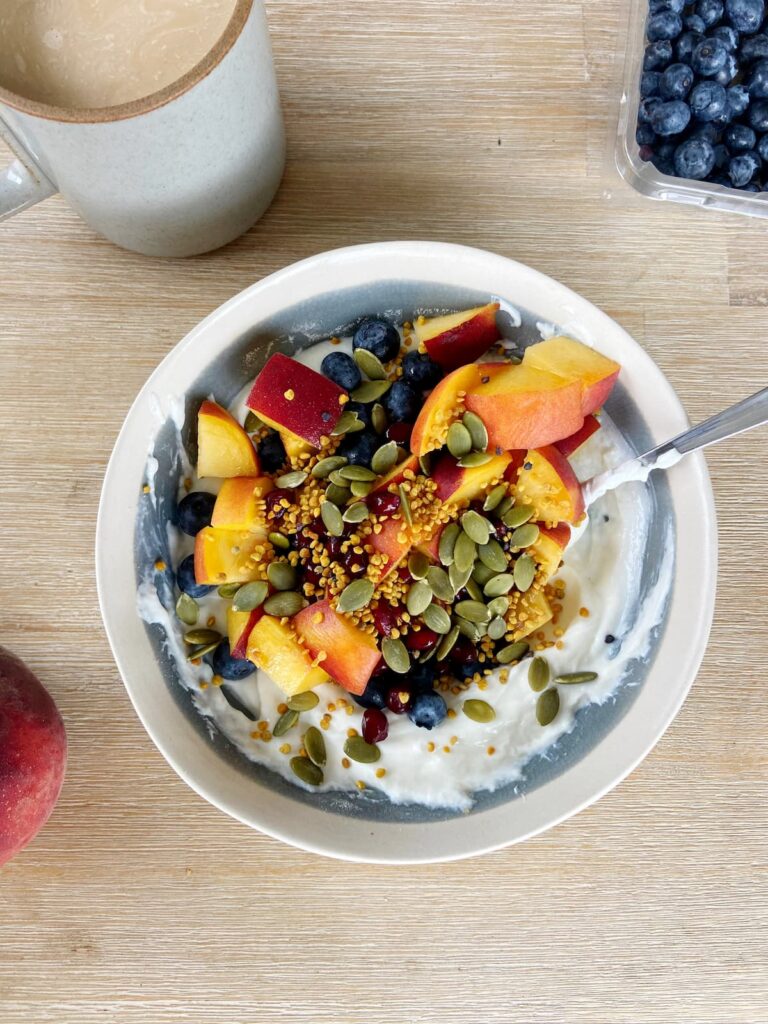
11. Greek Yogurt and Cottage Cheese
Satiety Profile (per 1 cup): 22g Protein | 0g Fiber
Greek yogurt and cottage cheese will provide around 22 grams of protein and zero grams of fiber per 1 cup serving. Just make sure to choose the full-fat versions. Studies show that full-fat dairy products are inversely associated with obesity — meaning those who eat full-fat dairy are less likely to be obese compared to those who eat low-fat.
Recipe idea: High Protein Yogurt Bowl
12. Ground Beef and Bison
Satiety Profile (per 4 oz. cooked): 31g Protein | 0g Fiber
Ground beef (93/7) and bison provides 31 grams of protein and zero grams of fiber per 4 ounce serving. Both are also uniquely high in critical micronutrients, such as selenium and iron, for energy levels and overall health.
Recipe Idea: Upgraded LA Street Tacos
13. Salmon and Tuna
Satiety Profile (per 4 oz. cooked): 29g Protein | 0g Fiber
Salmon and tuna will provide about 29-32 grams of protein and zero grams of fiber per 4 ounce serving. Each of these fatty fish also help you eat more anti-inflammatory omega-3 fats. Plus, canned tuna and salmon taste great and can be stored in the pantry for an easy high protein boost to any meal.
Recipe Idea: Salmon or Tuna salad.
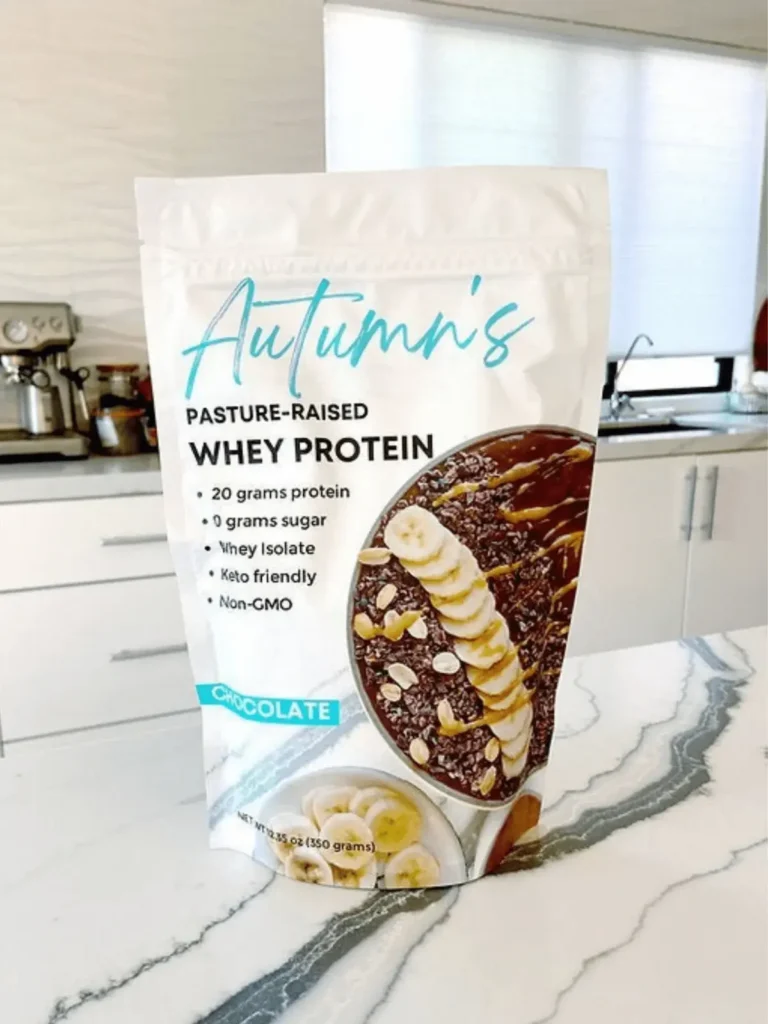
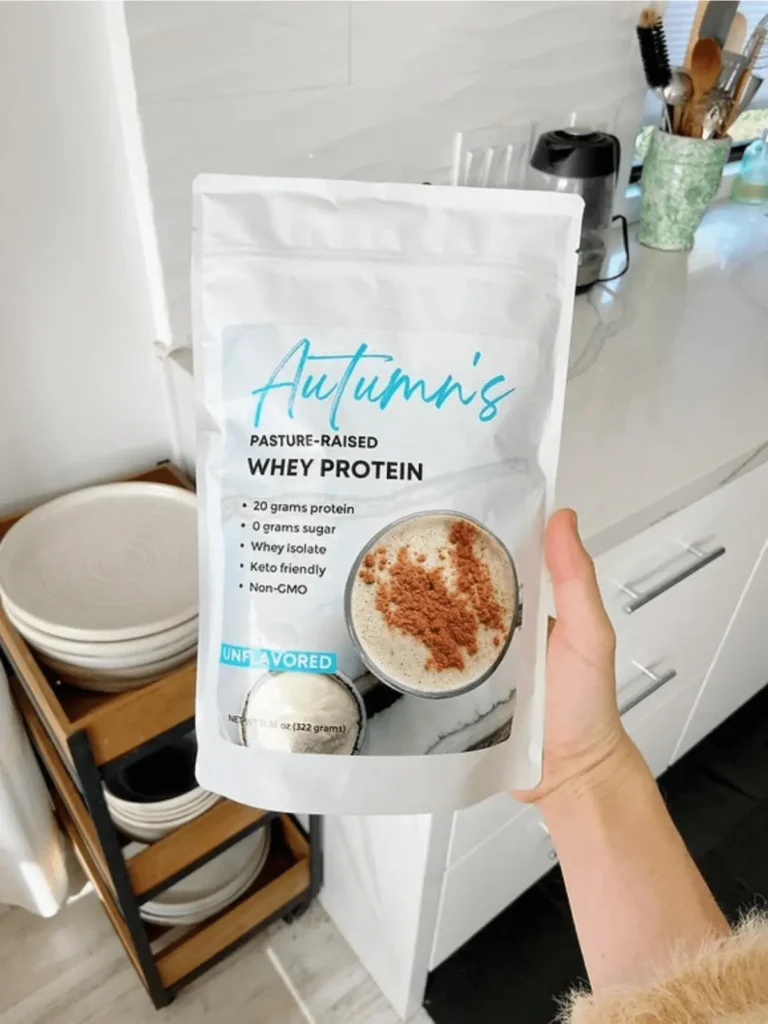
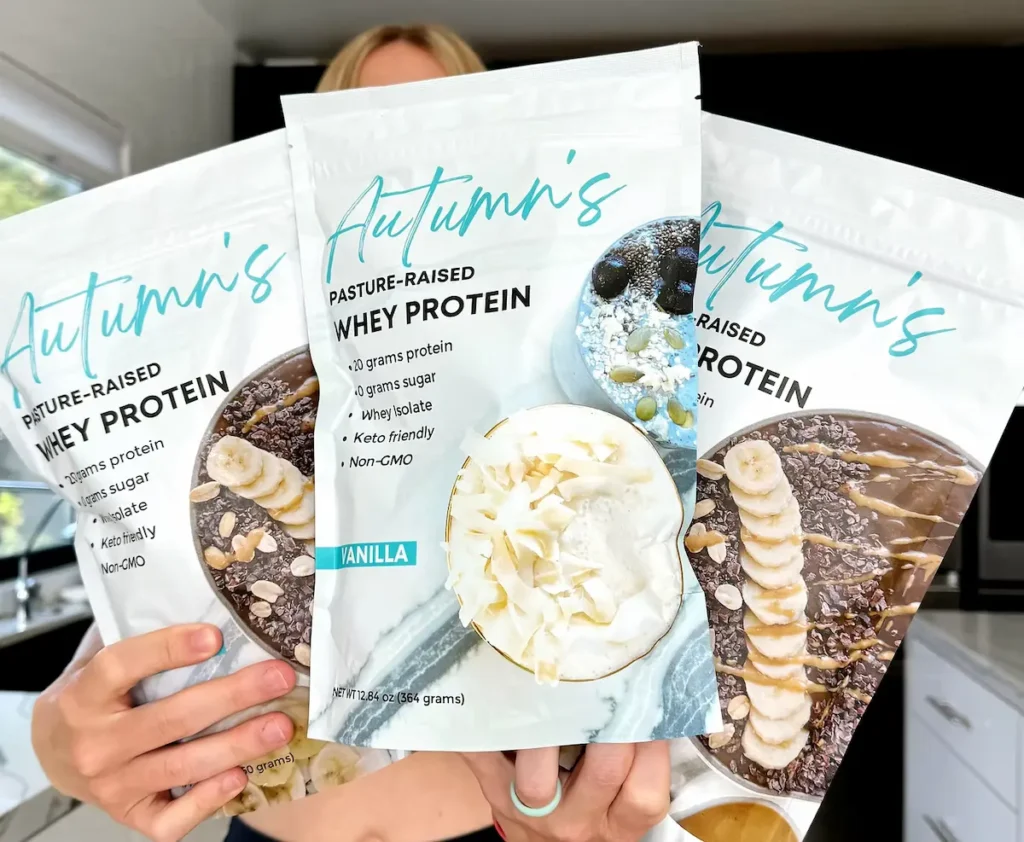
14. Whey Isolate Protein Powder
Satiety Profile (per serving): 20g Protein | 0g Fiber
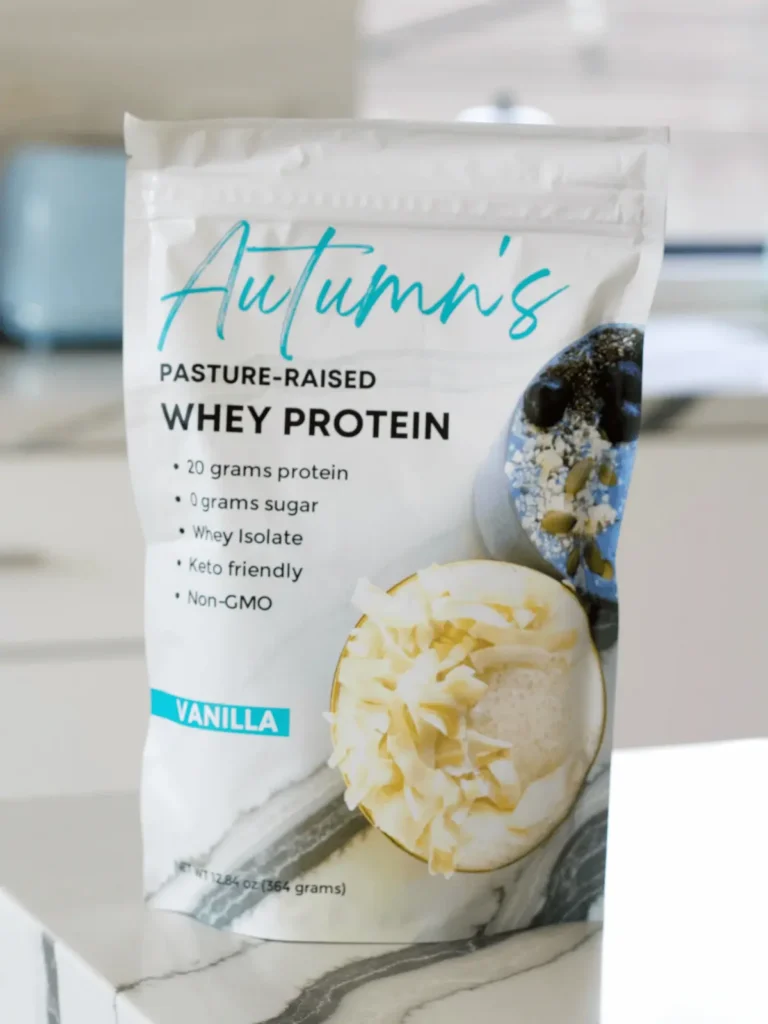
Whey isolate protein powder provides 20 grams of protein and zero grams of fiber per serving. Protein powder is a really easy way to instantly bump up the protein of nearly any meal. Due to the plethora of peer reviewed research, whey isolate is often considered the gold standard for protein powder. Plus, it tends to be very low in lactose making it easy to digest, even for many who are lactose-intolerant.
Recipe Idea: Citrus Green Protein Smoothie
Kickstart Your Journey
Shop Autumn’s Whey Protein Powder
Our delish bestselling zero added sugar, gluten & heavy metal tested whey protein powder!
15. Whole Eggs
Satiety Profile (per 3 eggs): 18g Protein | 0g Fiber
Eggs provide 18 grams of protein and zero grams of fiber per 3 egg serving. Research has found eggs lower hunger hormones more and make people feel fuller longer than other breakfast foods, like oatmeal, bagels or cereal.
Recipe Idea: Fluffy Blueberry Protein Pancakes (eggs are in there!)
High Fiber Add-Ons (The Fiber Superstars)
These are the top high fiber foods that you can add to any meal for an instant hit of 8-10 grams of fiber (the exact amount needed at each meal). I call these “The Fiber Superstars”.
I also created a high fiber food list free download if you want all of these high fiber foods (plus dozens more) on a printable sheet. Download it here.
16. Raspberries and Blackberries
Satiety Profile (per 1 1/4 cup): 2g Protein | 10g Fiber
Raspberries and blackberries are both very high fiber fruits. They provide 10 grams of fiber and 2 grams of protein per 1 1/4 cup. However, the two grams of protein are incomplete and very poor quality, so it doesn’t really “count” toward a protein goal.
Recipe Idea: Raspberry Protein Smoothie
17. Avocado
Satiety Profile (per 1 medium): 3g Protein | 9g Fiber
One avocado provides 9 grams of fiber and 3 grams of incomplete protein. They’re also a great source of healthy fats to raise another satiety hormone called cholecystokinin (CCK) to keep you fuller even longer.
Recipe Idea: Add 1/2 avocado to a Cauliflower Rice Burrito Bowl
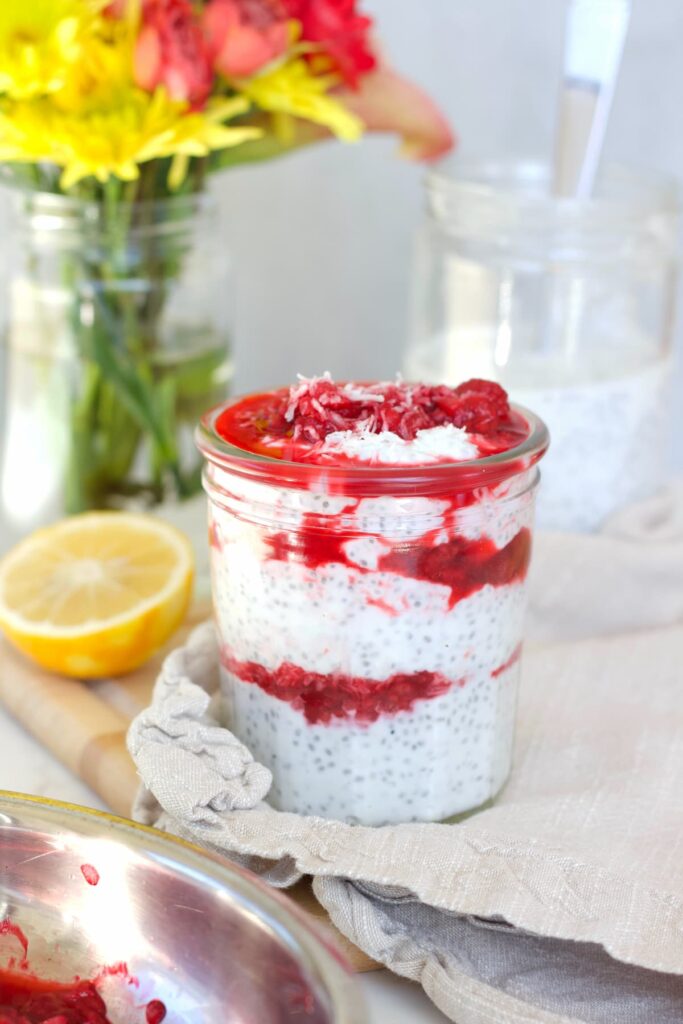
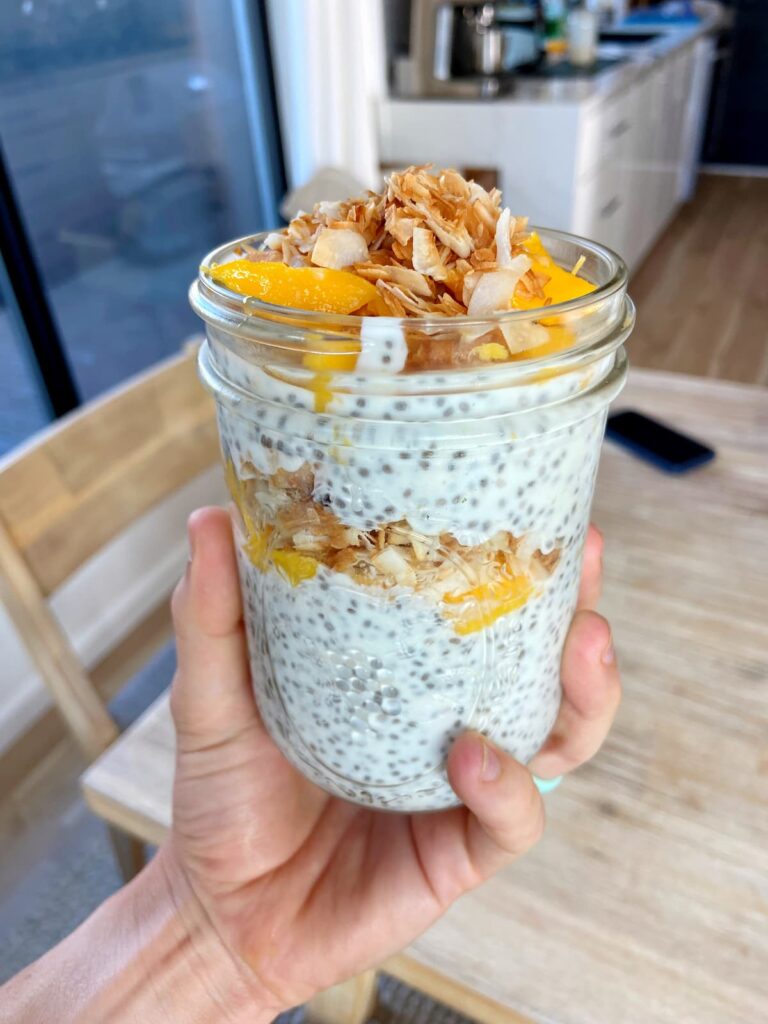
18. Chia Seeds
Satiety Profile (per 3 tbsp.): 5g Protein | 10g Fiber
Three tablespoons of chia seeds provides 10 grams of fiber and 5 grams of incomplete protein. Due to the high fiber content, studies have found chia seeds to be helpful for reducing belly fat and waist circumference.
Recipe Idea: Tropical Lemon Chia Pudding
19. Cacao Nibs
Satiety Profile (per 2 tbsp.): 4g Protein | 9g Fiber
Raw cacao nibs are a sneaky source of fiber, providing 9 grams of fiber and 4 grams of protein per two tablespoon serving. They’re also one of the most antioxidant rich foods in the world (even more so than blueberries, green tea and coffee).
Recipe Idea: Chocolate Orange High Protein Overnight Oats
20. Artichoke Hearts
Satiety Profile (per 3 hearts): 3g Protein | 9g Fiber
Artichoke hearts provide 9 grams of fiber and 3 grams of incomplete protein per every three hearts. You can find artichoke hearts jarred in oil with tasty herbs and spices. Or you can find them unflavored and canned in water. It’s delicious topped on a variety of dishes.
Recipe Idea: Add 3 artichoke hearts and crumbled goat cheese to scrambled eggs.
21. Edible Basil Seeds
Satiety Profile (per 2 tbsp.): 5g Protein | 15g Fiber
Edible basil seeds provide 15 grams of fiber and 5 grams of incomplete protein. They have about double the fiber of chia seeds and zero lectins, making it a little easier for some people to digest. You can also use edible basil seeds in the exact same way as chia seeds for a simple, higher fiber swap.
Recipe Idea: Chocolate Protein Shake With Kefir and Pecans (sub edible basil seeds in for chia seeds)
22. Pear
Satiety Profile (per 1 medium): 1g Protein | 6g Fiber
One medium pear provides 6 grams of fiber and 1 gram of incomplete protein. Even though the net carbs are a little higher (21 grams), pears are considered low glycemic load and have a minimal impact on blood sugar levels. This is especially true when paired (pun intended) with protein and fat, such as in the recipes shared on my blog and in my meal plans.
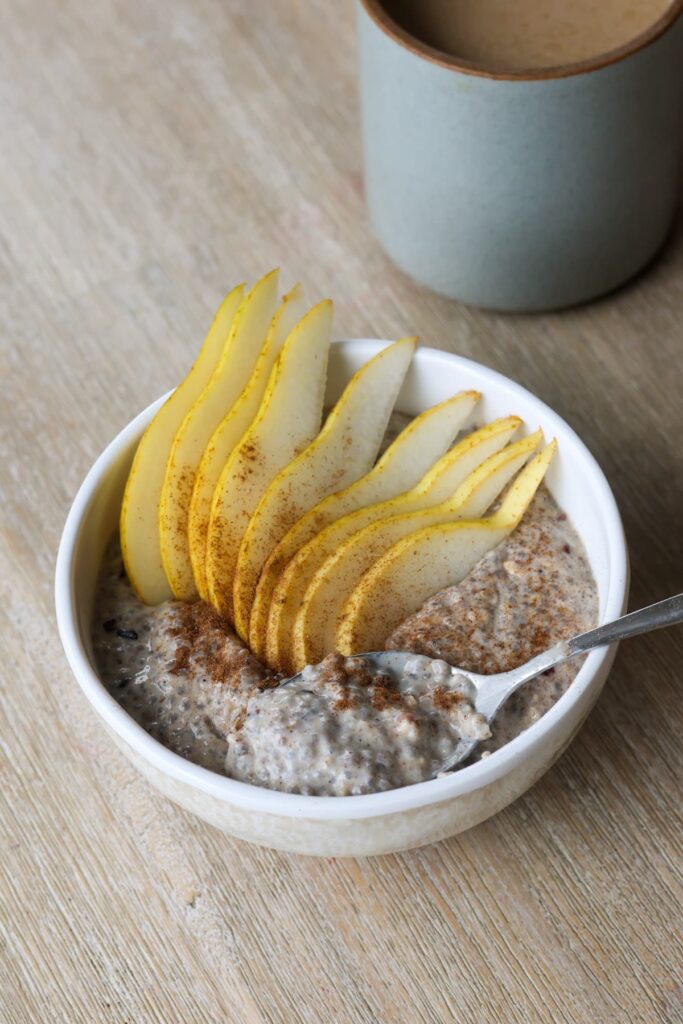
Recipe Idea: top High Protein Overnight Oats with 1/2 sliced pear.
High Protein & High Fiber Power Pairings (How to Build Satiety Meals)
To build a high protein and high fiber meal, you need to pair a High Protein Anchor with one of the high fiber foods on this list. Other than tempeh, none of the high protein and high fiber foods are actually high in quality protein. To get the fat loss perks of a high protein high fiber diet, you need to eat quality protein with high fiber foods.
Related: 9 Easy High Protein High Fiber Breakfast Recipes
Here are some examples taken from this list for how to do this:
- black bean chili made with crumbled tempeh instead of ground beef
- chicken fajitas with pinto beans
- chia pudding with whey isolate protein powder stirred in
- cottage cheese with raspberries
- scrambled eggs with artichoke hearts and goat cheese
- ground beef burgers with mashed avocado
Want specific high protein high fiber recipes all laid out for you? Checkout our Body Recomposition Program with over 50 delicious recipes and a 6 week meal plan used by thousands of men and women around the world. It’s what I personally followed for my 20 pound postpartum weight loss journey!
Science-backed + sustainable
The Body Recomposition
Meal Plan
Look leaner and feel your best with 6 weeks of simple, structured meals. Enjoy delicious, real-food recipes designed to support fat loss and muscle retention — without tracking, restriction, or complicated prep.
How to Increase Fiber Without Bloating or Digestive Distress
The best way to increase fiber without excessive bloating is to slowly ramp up and choose the right fibers.
Here are some best practices:
- Slowly increase fiber by 5 grams until you hit your goal of 30-50 grams per day. Wait a few days to acclimate before you increase by another 5 grams.
- Choose lower bloat fibers. Certain beans cause a little less bloating, like black beans. Raspberries tend to be very GI friendly if you’re particularly sensitive to fiber.
- Drink plenty of water. Fiber absorbs water so if you don’t drink enough of it, you’ll get stopped up and bloated. Aim for at least half your body weight in ounces per day.
FAQ’s
For fat loss, aim for 30-50 grams of protein and 10-15 grams of fiber per meal, totaling roughly 90-150 grams protein and 30-50 grams fiber per day.
Yes, you can get 30 grams of protein and 10 grams of fiber at breakfast without eggs by making high protein overnight oats, chia pudding, smoothies or protein pancakes.
By far, the highest quality protein and fiber food is tempeh. This is the only “quality” and complete protein that also contains some fiber.
Simple Satiety Beats Calorie Restriction
By focusing on high protein high fiber foods, you eliminate the need to count calories because you’re just so dang full. Plus, your metabolism stays steady (thanks to the protein) and your sugar cravings die down (due to less hunger). In short, you don’t have to “white knuckle” your way through sustainable fat loss. You really can achieve your goals and feel satisfied, too.
Studies
High Fiber Diets and Visceral Fat
Whole Fat Dairy Inversely Associated with Obesity
Eggs Make You Fuller Than Oatmeal