

This is what you should eat after intermittent fasting if your goal is to lose weight while keeping muscle. Includes food lists, what to avoid, and an example one day meal plan.
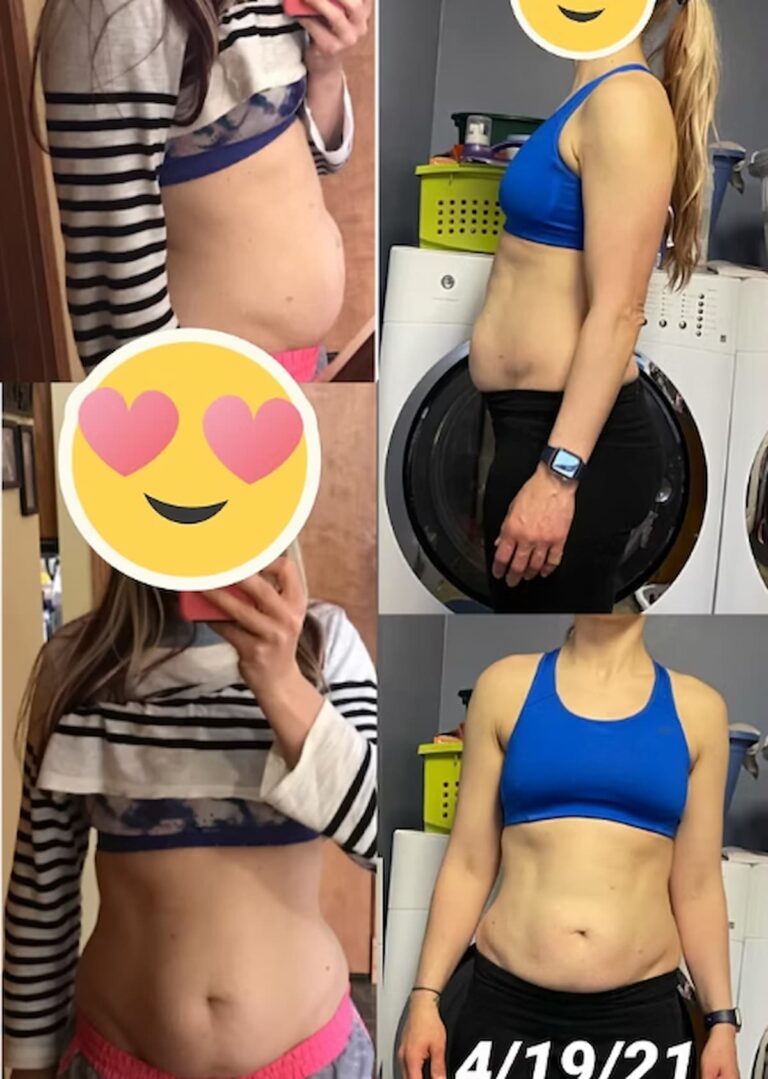
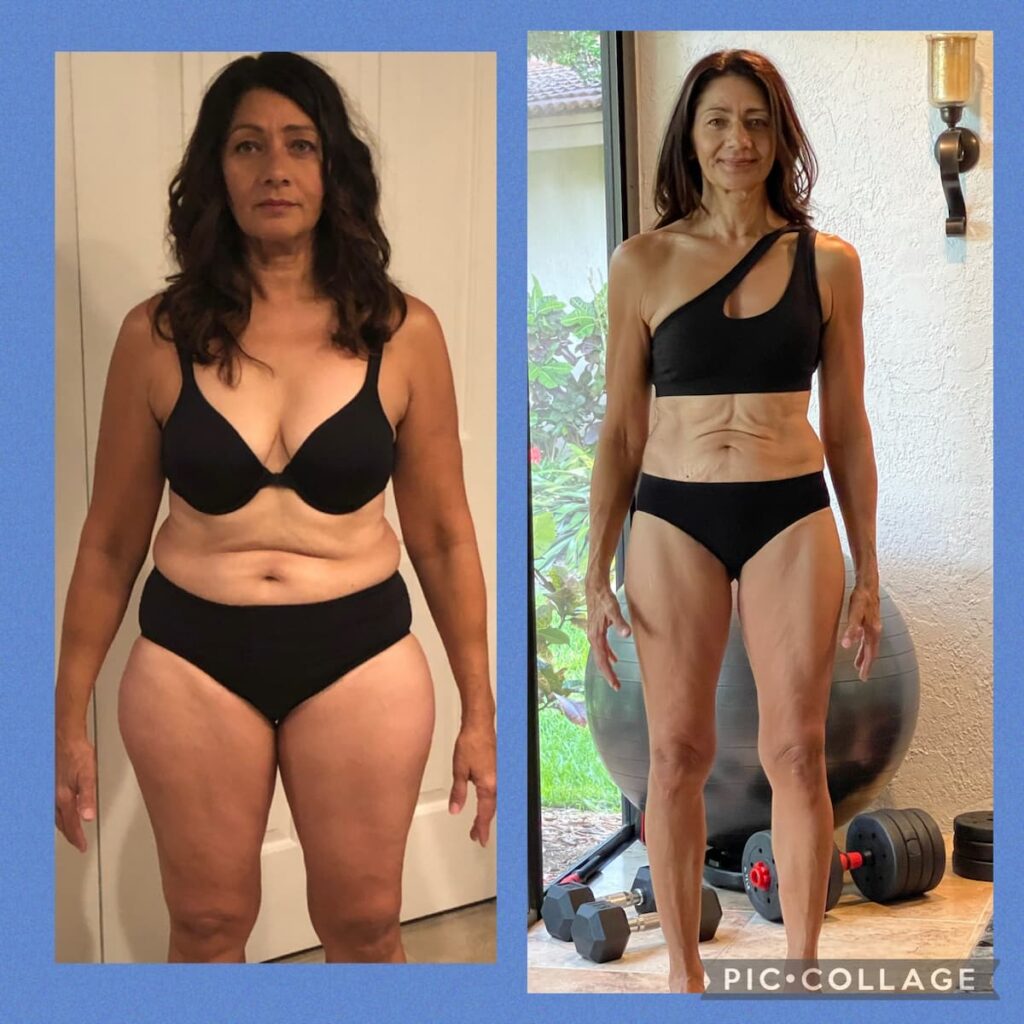
When you break your fast the right way, you can prevent hunger and double down on fat loss results. This is how women like Jeannette (pictured below) have been able to lose significant body fat with Intermittent Fasting, even in their 50s and going through menopause.
But when you break your fast the wrong way, it can quite literally reverse your progress.
Instead of feeling satisfied, you’ll feel hungry. Rather than burning fat, you could be gaining weight.
Today I’m sharing exactly how to break a fast so that you can keep burning fat and double down on the weight loss perks of Intermittent Fasting — and what to avoid.
Why Fasting Works For Weight Loss
Intermittent Fasting isn’t about “eating less”. Rather, what actually makes it unique for it’s health and fat loss perks is that you’re eating less often.
When we don’t eat for short periods of time (12-16 hours a day), this does a number of things that makes fat loss easier and more sustainable:
- Increased fat burning: When we fast, our storing hormone (called insulin) dips down. When it’s low, we can burn fat as fuel. When it’s high, fat burning is shut down. Nearly every time we eat, it causes a spike in insulin. So by taking short breaks from eating everyday, like with Intermittent Fasting, we’re able to let insulin dip down and naturally ramp up fat burning.
- Reduced hunger: Because fat burning is increased, hunger tends to go down. When you’re not hungry, it’s a lot easier to achieve and maintain a fat loss goal.
- Less cravings: Boosted fat burning reduces our reliance on using carbs as fuel. This means blood sugar is more stable, sweet tooth goes down, and our interest in an afternoon candy plummets.
- No need to track calories (when done the right way): Although calorie tracking can result in equivalent weight loss to Intermittent Fasting, it’s extremely tedious and not sustainable. Not to mention to really “do tracking right”, you need to carry a scale around and measure everything you eat. When you do Intermittent Fasting the right way (including breaking your fast properly), most people tend to notice sustainable fat loss without having to consciously track their intake.
Related: Find Out How Long You Should Fast With My Free Intermittent Fasting Schedule Quiz
All of these benefits sound great — and they are! — but these perks can be quickly reversed if you break your fast with the wrong foods. So let’s dive into what you should eat — and avoid — after fasting.
Exactly What To Eat After Fasting
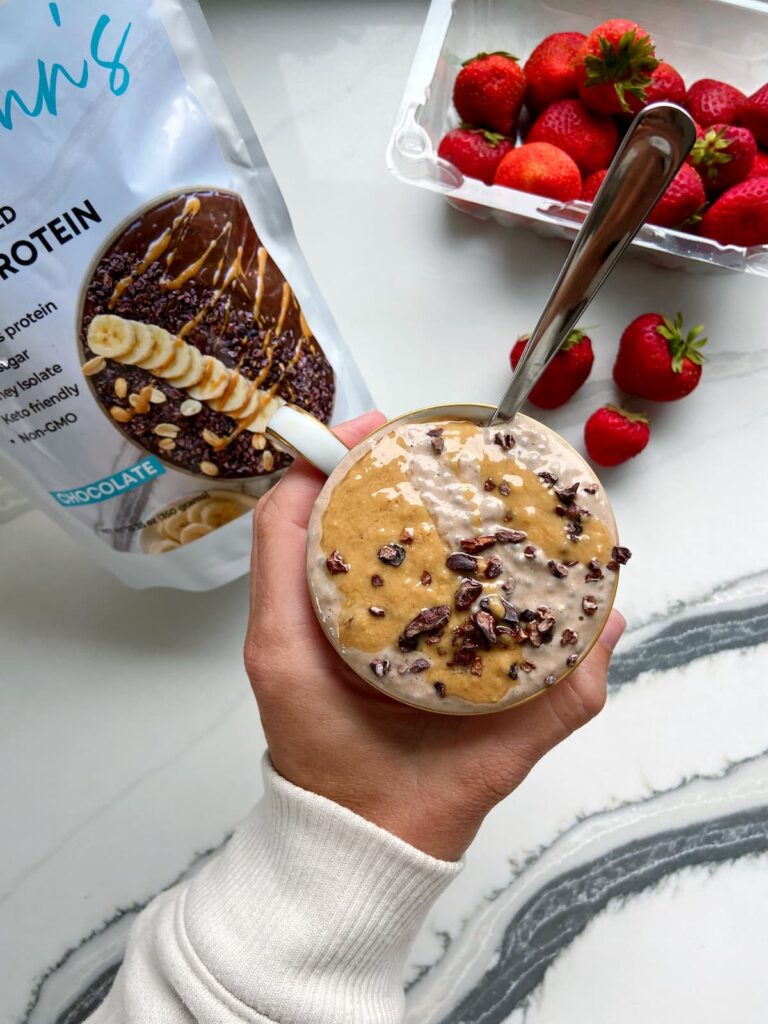
If you’re looking to maximize fat loss with Intermittent Fasting, then the goal should be to eat foods that mimic the benefits of fasting. This means eating foods that stabilize blood sugar, minimize insulin spikes, and make you feel full. The “golden trio” that achieves all three of these goals are foods rich in protein, fat, and fiber.
Protein
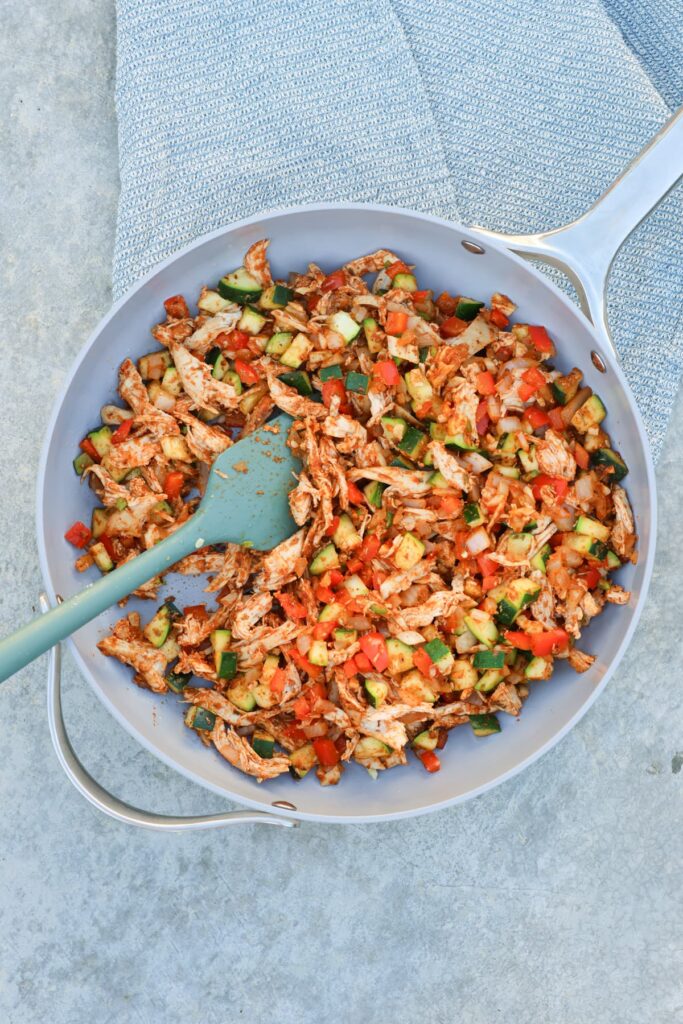
Protein raises specific hormones such as peptide YY and GLP-1 that tell your brain you’re full and don’t need to keep eating. It also helps to stabilize blood sugar and reduce cravings. On top of that, protein protects muscle from breaking down while you lose weight. This is crucial for keeping your metabolism high and preventing plateaus. Essentially, protein acts as your internal “tracker” — preventing you from overeating while keeping your body a fat burning machine.
Great sources of protein to break a fast with include:
- beef
- eggs
- chicken
- tempeh (plant-based option)
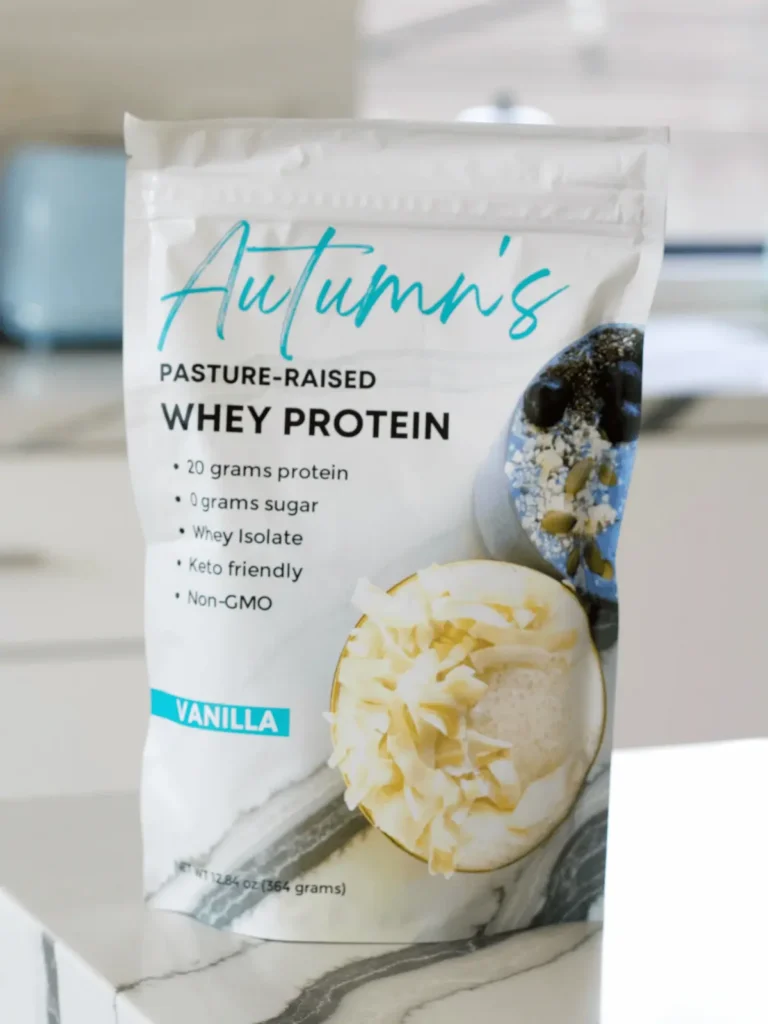
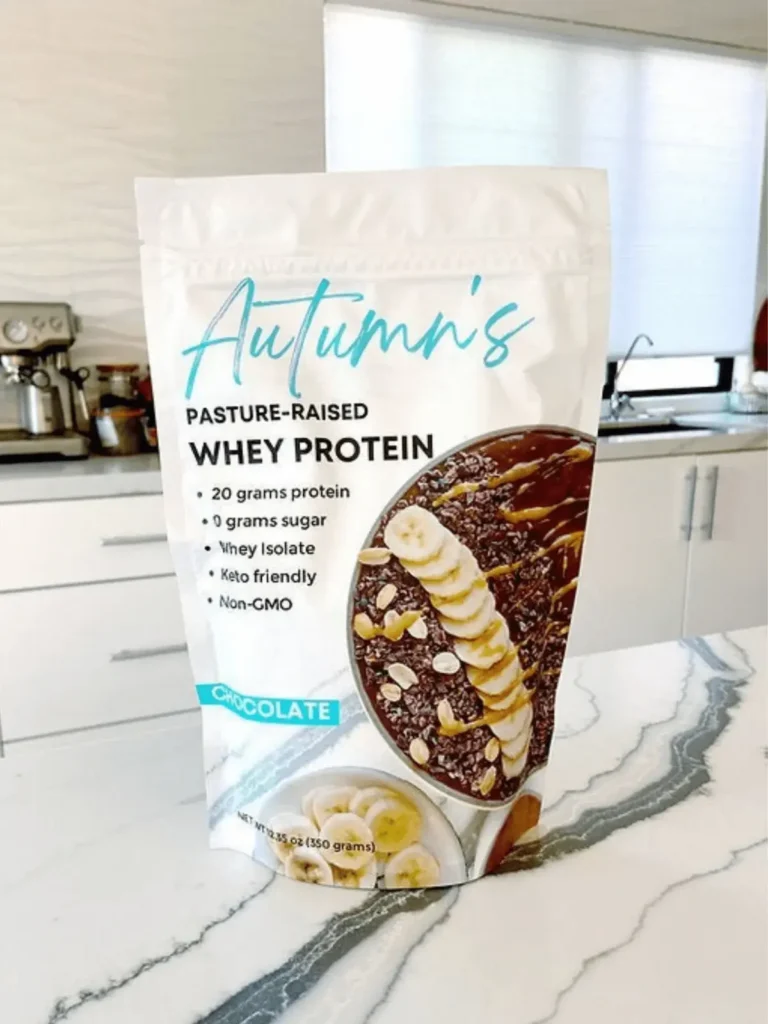
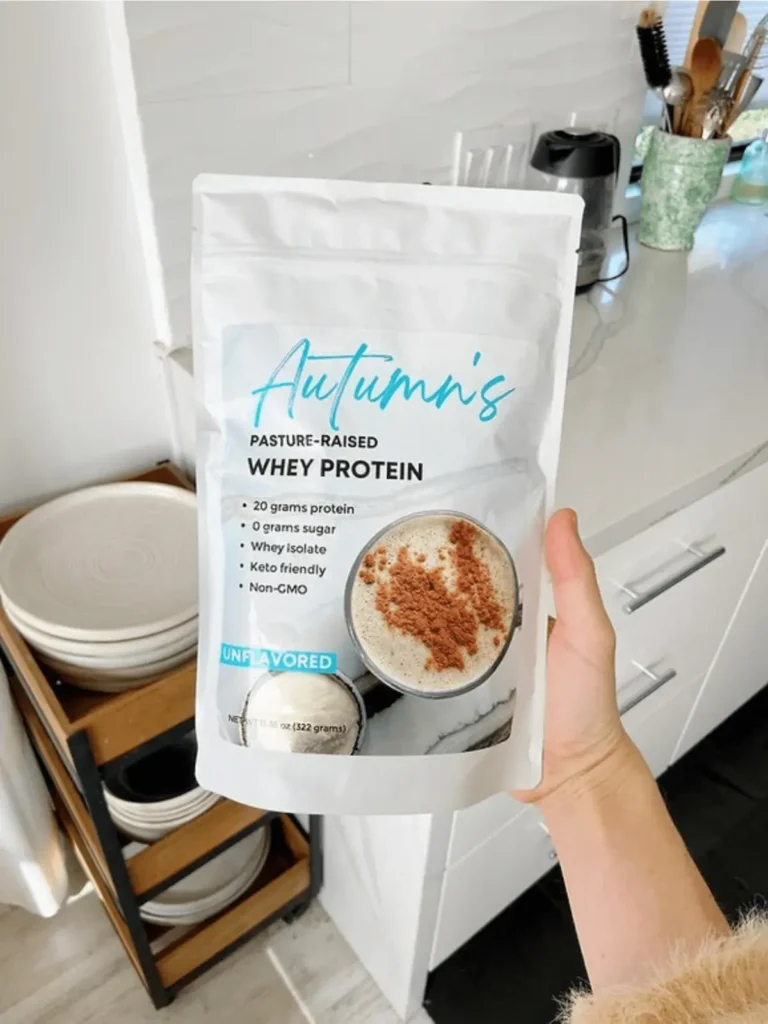
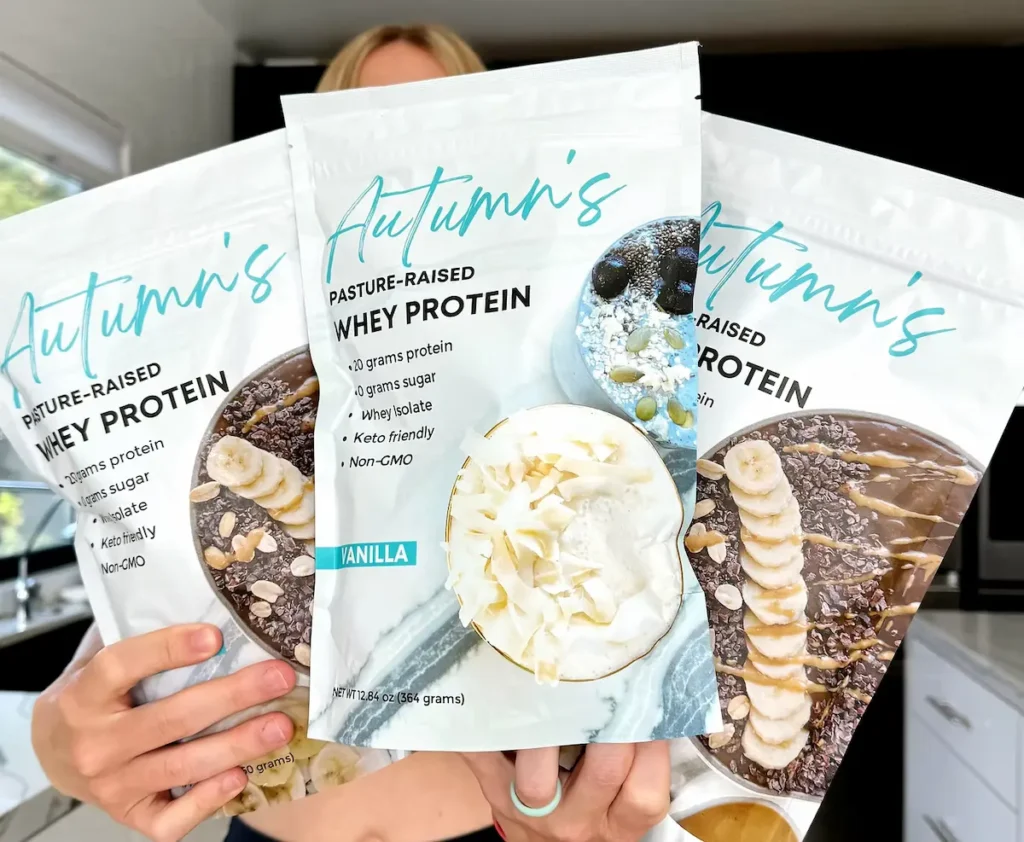
- whey isolate protein powder
- unsweetened cottage cheese
- unsweetened greek yogurt
- fish and seafood

Tip From The Nutritionist
Autumn Bates, CCN, MS, BS, CPT
In general, most people need to aim for 30-50 grams of protein at each meal, assuming you eat 3 meals during your eating window (which is what I recommend for best results). Any less than that and you’re probably missing the mark for your body’s needs.
Fat
Fat is needed to raise a hormone called CCK. Just like peptide YY, CCK tells the brain that you’re full and satisfied. You need to raise all of the “satiety” hormones to fully tell the brain you’re satisfied and prevent overeating. Protein raises some of them, fat raises others. So we need both. This is likely why studies have found that those who eat full-fat dairy are less likely to be obese than those who eat low-fat dairy.
Great sources of fat to break a fast with include:
- avocado
- olives and olive oil
- coconut meat, -shreds, -butter, -milk
- whole nuts and nut butters
- whole seeds and seed butters
- full-fat dairy products
Fiber
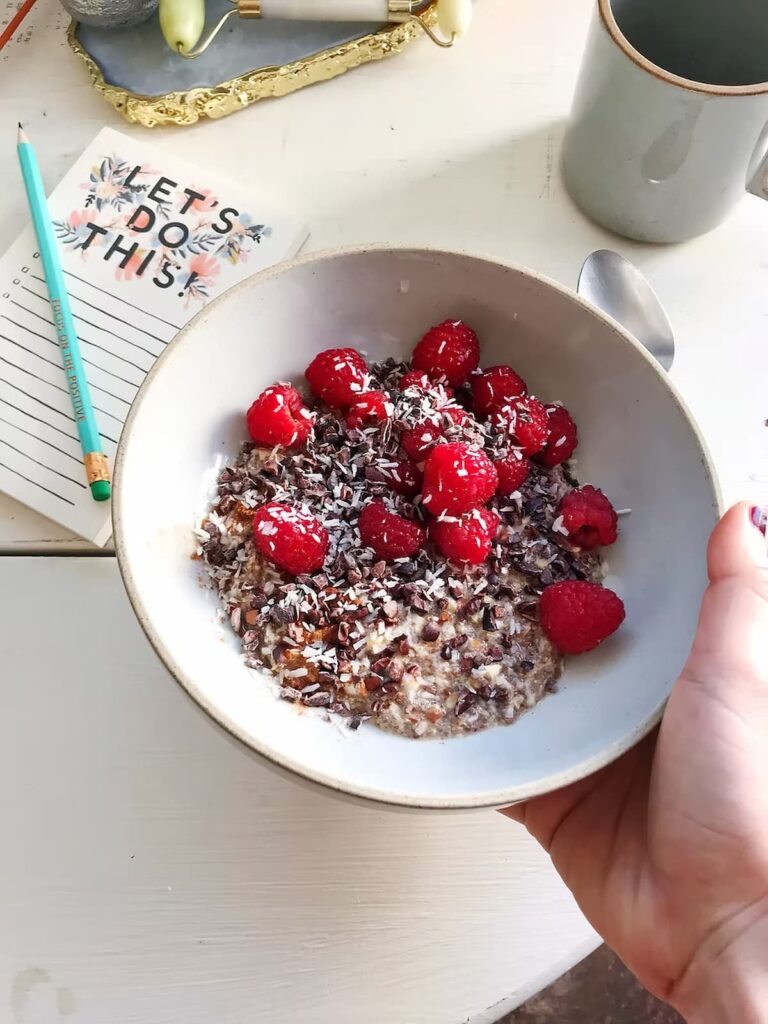
Foods rich in fiber are excellent at stabilizing blood sugar and boosting satiety, at least in the short term. Protein and fat help you feel full for about 3-5 hours, but it can take about 20 minutes or so to kick in. This is where fiber comes into play.
Fiber stretches out the stomach which sends another (and often faster) signal that you’re full. It can bridge the gap between when your brain gets the message that it’s satisfied from protein and fat. Plus, fiber takes longer to chew, which can slow down how quickly you eat a meal, and therefore make those protein/fat cues more effective.
From my experience, I see the best results from high fiber foods, not supplements. These are usually much more nutrient-dense, provide additional health benefits, and are less likely to lead to excessive fiber intake.
The best high fiber foods to break a fast with include:
- chia seeds
- edible basil seeds
- flax seeds
- avocado
- artichoke hearts
- cacao nibs
- coconut meat
- raspberries
- blackberries
- strawberries
- black beans
When you hit this combination of protein, fat, and fiber at each of your meals during the eating window, it can help to reduce hunger, protect muscle, and make the body primarily burn fat while losing weight.
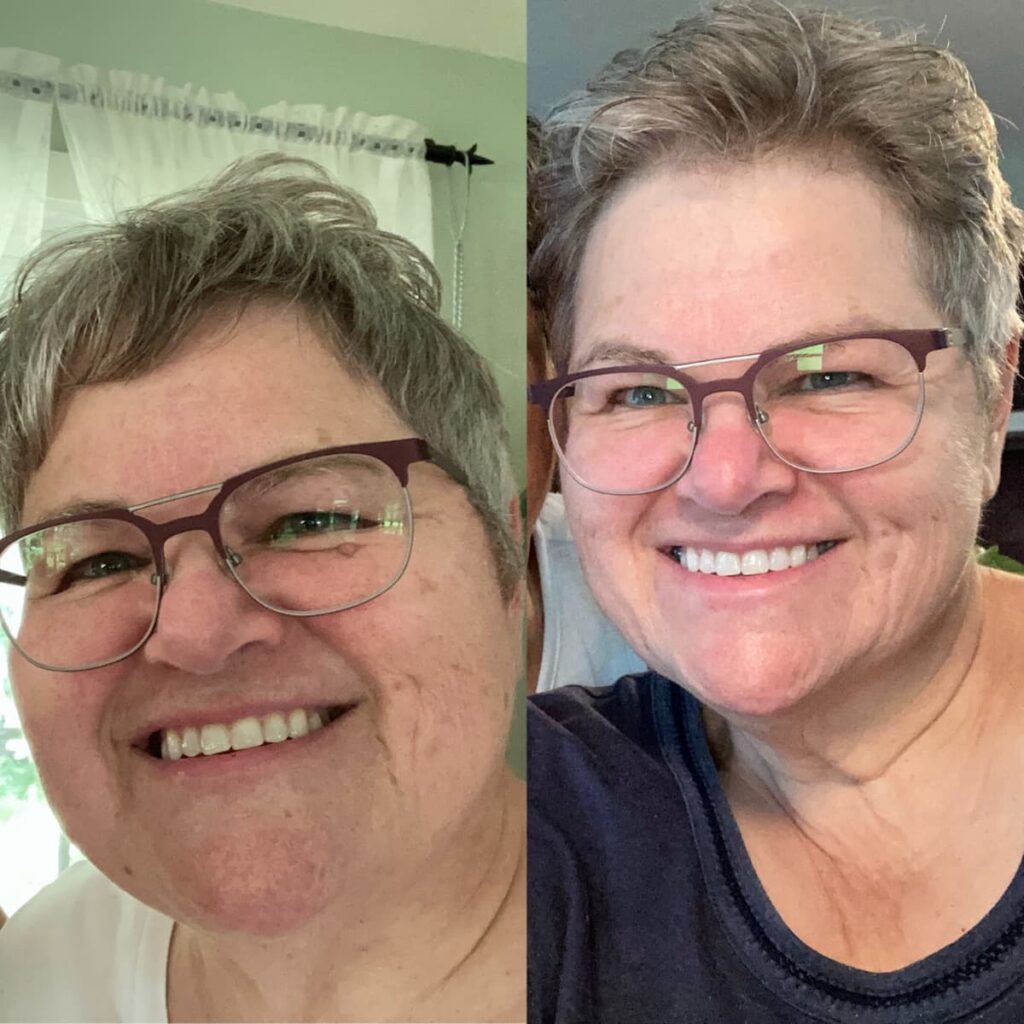
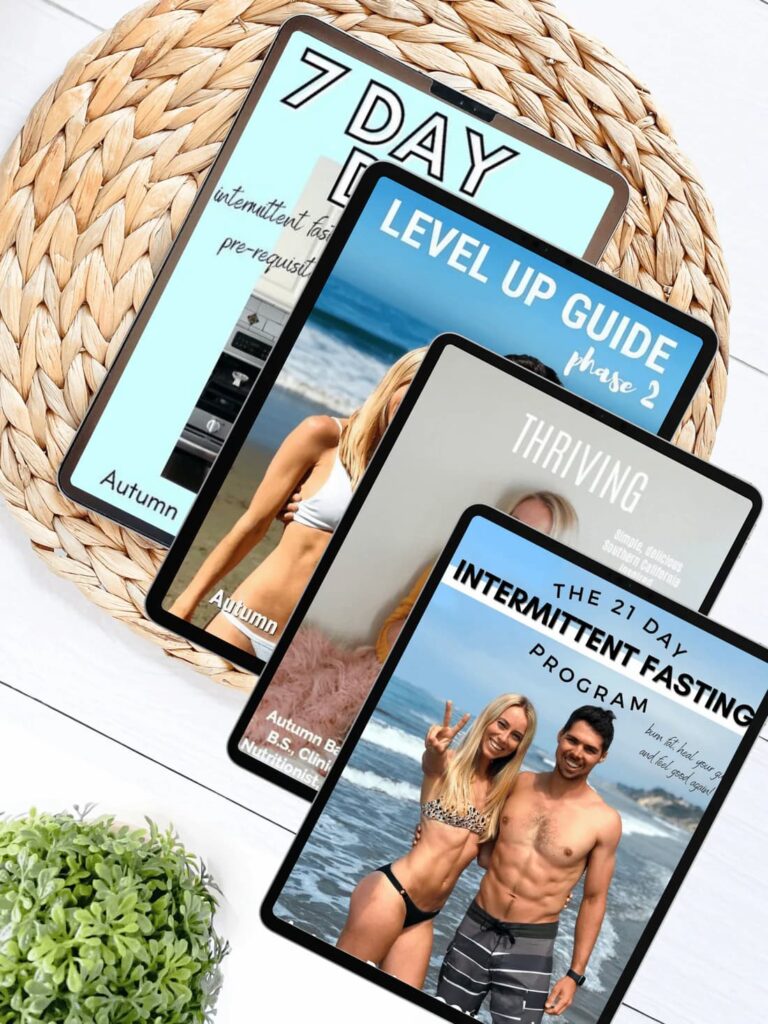
This is the exact formula I follow in the Complete Intermittent Fasting Bundle that has been used by thousands of women around the world (like Guylaine, pictured above) to help them achieve their weight loss and wellness goals. It has the science-backed Intermittent Fasting tools, plus over 100 recipes (and 8 weeks of meal planning) following this protein, fat, and fiber strategy.
You can find the Complete Intermittent Fasting Bundle HERE.
Tap into fat burning
Complete Intermittent Fasting Bundle
Start tapping into your natural fat-burning mechanisms with a science-backed plan that actually works. This bundle gives you the exact Protein, Fat, and Fiber roadmap used by thousands of AENpeeps to support gut health, stable energy, and long-term weight loss goals—without the restriction.
Foods To Avoid After a Fast
The worst foods to break your fast with are those that:
- are low in protein
- spike blood sugar (and therefore insulin)
- keep you hungry
- are addictive
When you eat foods that spike your blood sugar, it can quite literally result in the opposite of intermittent fasting benefits: it makes you hungry, prevents fat burning, promotes sugar cravings, and makes fat loss harder.
On top of that, certain foods are just designed to be addictive and therefore are hard to stop eating, making it not a great option when breaking a fast. Foods that are low in protein while also being high in fat, sugar, and salt are uniquely effective at getting you to eat well beyond your body’s needs. In research this is known as “the bliss point”. Not only are these foods addictive (and therefore shouldn’t be used in general), they also tend to spike blood sugar, making them not a good option for Intermittent Fasting anyway.
Common break-fast or lunch foods that hit one or more of these factors include:
- cereal
- bagels
- pancakes and waffles
- avocado toast
- green juices
- fruit smoothies
- oatmeal
- sandwiches
- pasta
- rice bowls
- donuts
- sushi
- salads without a protein
Not all of the foods on this list are inherently bad, but should be avoided (or modified) if using it to break a fast. For example, smoothies can be a fantastic option to break a fast with, as long as it’s not primarily a fruit smoothie. Instead, it should be balanced with protein, fat, and fiber, like my Citrus Green Protein Smoothie.
However, others are just highly addictive foods full-stop, such as donuts and cereal. For most people, especially while working toward a weight loss or wellness goal, these shouldn’t be eaten on a daily basis, — let alone when you go to break your fast.
But that doesn’t mean you can’t eat super delicious and satisfying meals while fasting. Check out my example day of meals with Intermittent Fasting below.
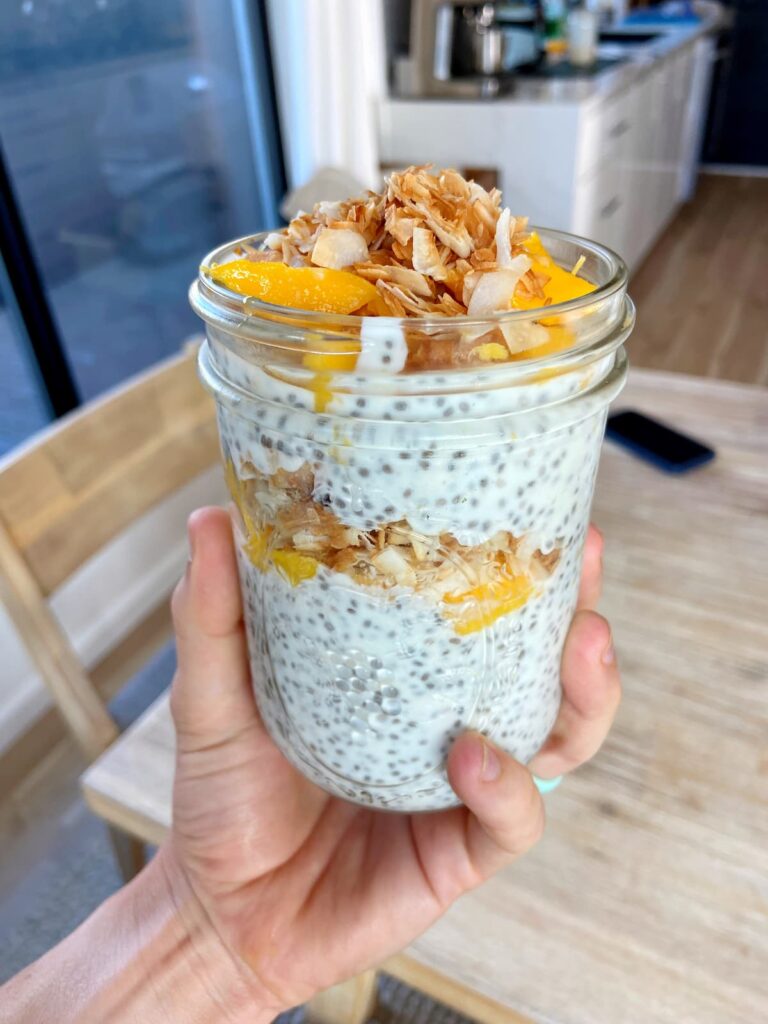
Example Intermittent Fasting Meal Plan For Weight Loss
Below is an example of what you can eat when you go to break your fast — breakfast, lunch, and dinner — that is rich in protein, fat, and fiber to help double down on the benefits of Intermittent Fasting.
Fasting: Water, electrolytes, and optional coffee/tea (or Keto Coffee)
Break-fast: Tropical Lemon Chia Pudding
Lunch: The Viral Blueberry Cottage Cheese Bowl
Dinner: Spicy Bone Broth Chili
Tap into fat burning
Complete Intermittent Fasting Bundle
Start tapping into your natural fat-burning mechanisms with a science-backed plan that actually works. This bundle gives you the exact Protein, Fat, and Fiber roadmap used by thousands of AENpeeps to support gut health, stable energy, and long-term weight loss goals—without the restriction.