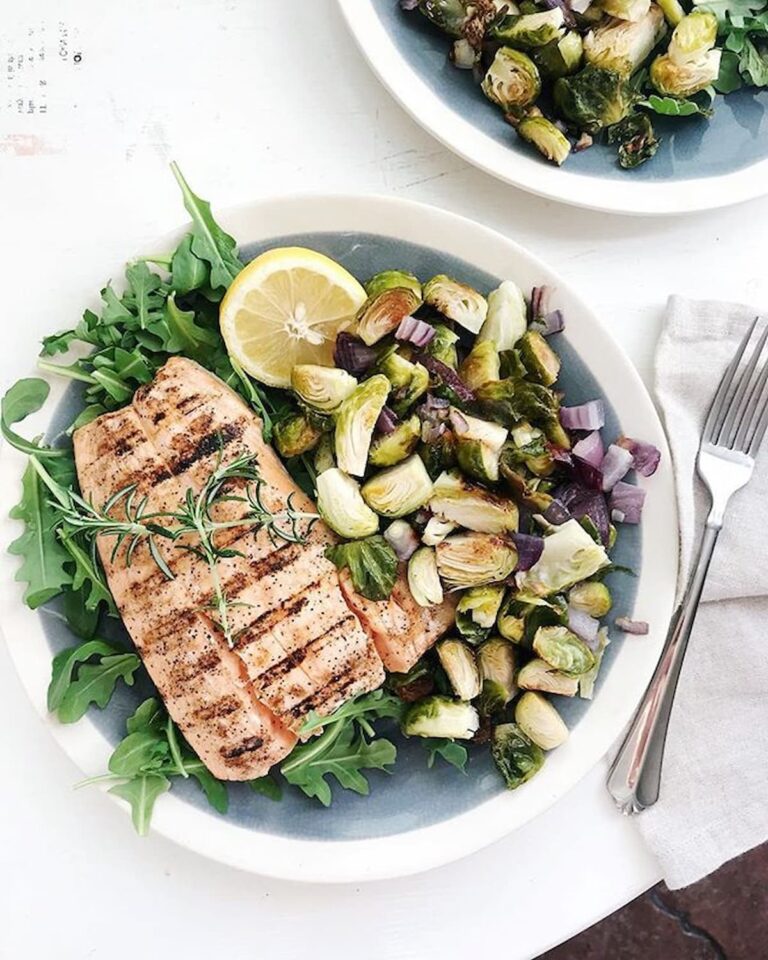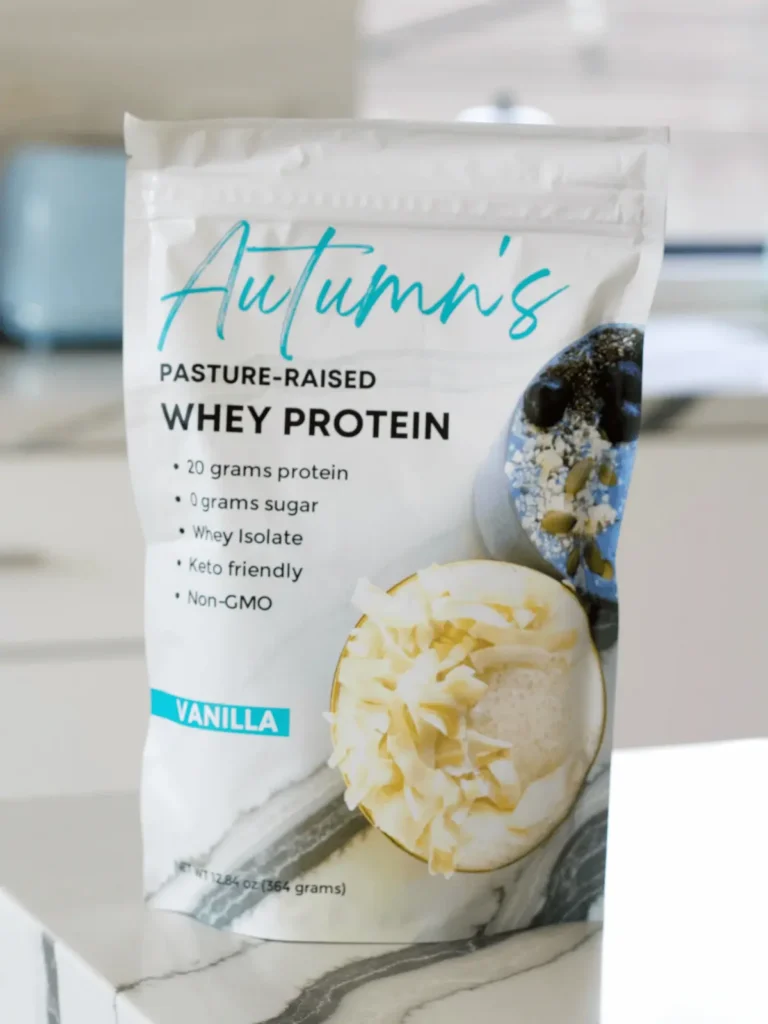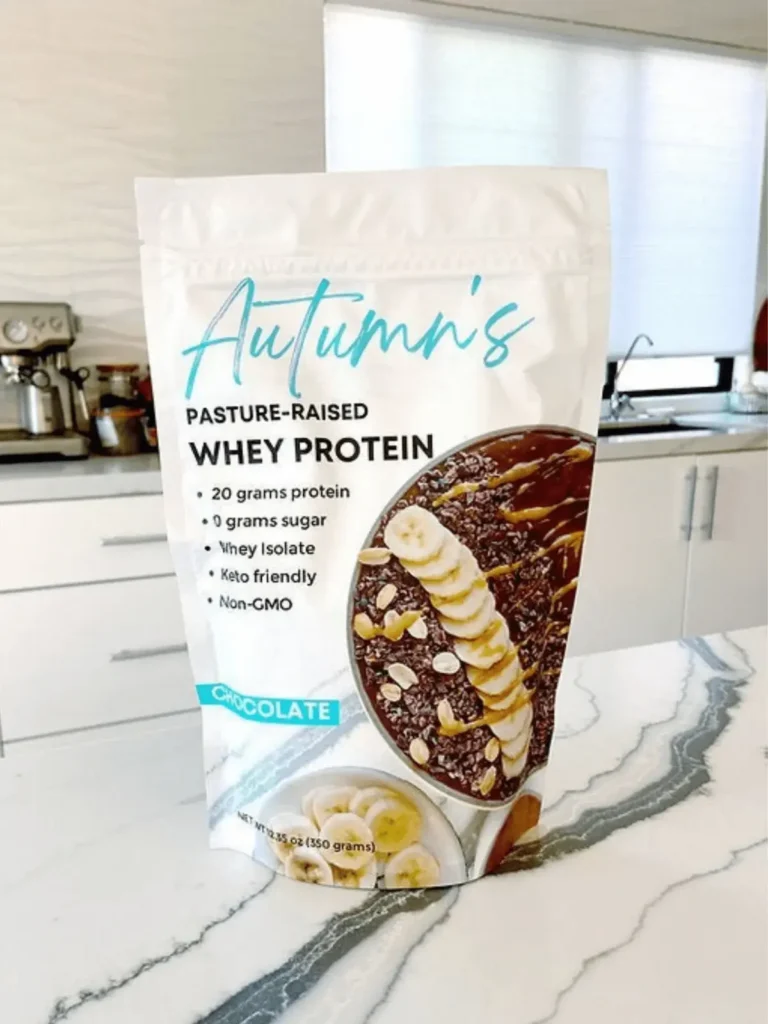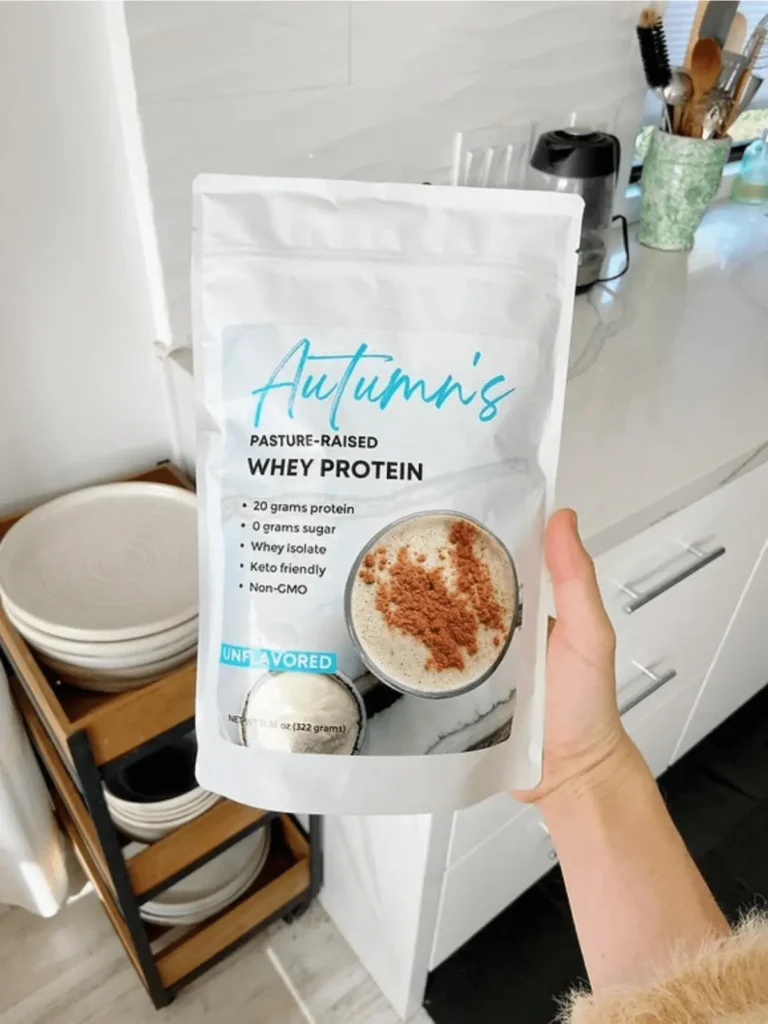


You don’t need an ultra strict 16 hour (or longer) fast to achieve a weight loss goal. Done right, a 14 hour fast leads to steady fat loss, without counting calories. Here is how to structure your 14:10 schedule, plus what to eat when you break your fast for best fat loss results.

14 Hour Fast Benefits (Backed By Science)
As a Clinical Nutritionist, I often recommend a daily 14 hour fast to my clients because it captures the vast majority of Intermittent Fasting perks without a strict and rigid schedule. It’s actually quite shocking what you can achieve with such a short daily fast.
Research shows that just 12 weeks of 14 hour fasting (without active calorie restriction) can result in:
- 7.3 pound weight loss
- 1.8 inch reduction of waist circumference
- 3% reduction in body fat
- 7% reduction in diastolic blood pressure
- 11% reduction in LDL cholesterol
- 7% reduction in total cholesterol
- Naturally eating about 200 calories less a day
And to repeat — this is when people were told to use fasting without cutting calories. Participants were just told to fast for 14 hours, then eat until satisfied. Which is probably why the adherence rate was so high with participants sticking to the fast 86% of the time.
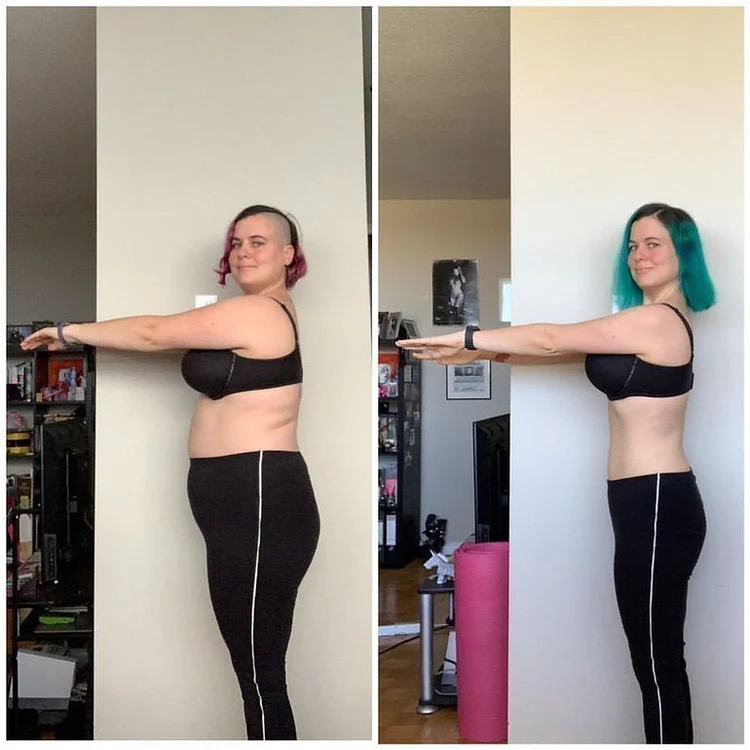
Joelle (pictured above) started with a 14 hour fast and saw sustainable fat loss results before eventually moving on to a 16 hour fast. By properly breaking her fast with protein, fat and fiber, she was able to achieve (and maintain) her 30 pound weight loss goal.
“It’s been a year now and I went from 185 to 155 pounds. From a size 14 to an 8-10. I’m now slimmer and healthier than before I had kids.” -Joelle
Read more about Joelle’s inspiring Intermittent Fasting results.
All this being said, you can “ruin” a 14 hour fast and end up gaining weight. Which leads me to our next point…
3 Common Mistakes That Make 14 Hour Fasts Useless
Fasting for 14 hours is great and studies show it supports fat loss. But here are 3 ways that people “ruin” the results of their fast and end up gaining weight instead.
Mistake #1: Grazing During The Eating Window
When you fast, the storing hormone insulin dips down. When this is low, it naturally “unlocks” fat cells to use as fuel through a process called lipolysis. It’s this insulin dip that makes fasting different than just calorie restriction.
But if you graze during the 10 hour eating window, you’re keeping insulin spiked the entire time. This keeps fat cells “locked up”. Snacking also tends to result in overeating because you’re never eating enough protein at one sitting to raise fullness hormones (like peptide YY) enough — making you always slightly hungry. And the snacking cycle continues.
Instead, with my community following the Complete Intermittent Fasting Bundle, I recommend three full meals and zero snacks. This allows for natural gaps between meals so you can take advantage of insulin dips even during the eating window. It also helps prevent overeating because you’re eating enough protein, fat and fiber to feel full and prevent hunger.
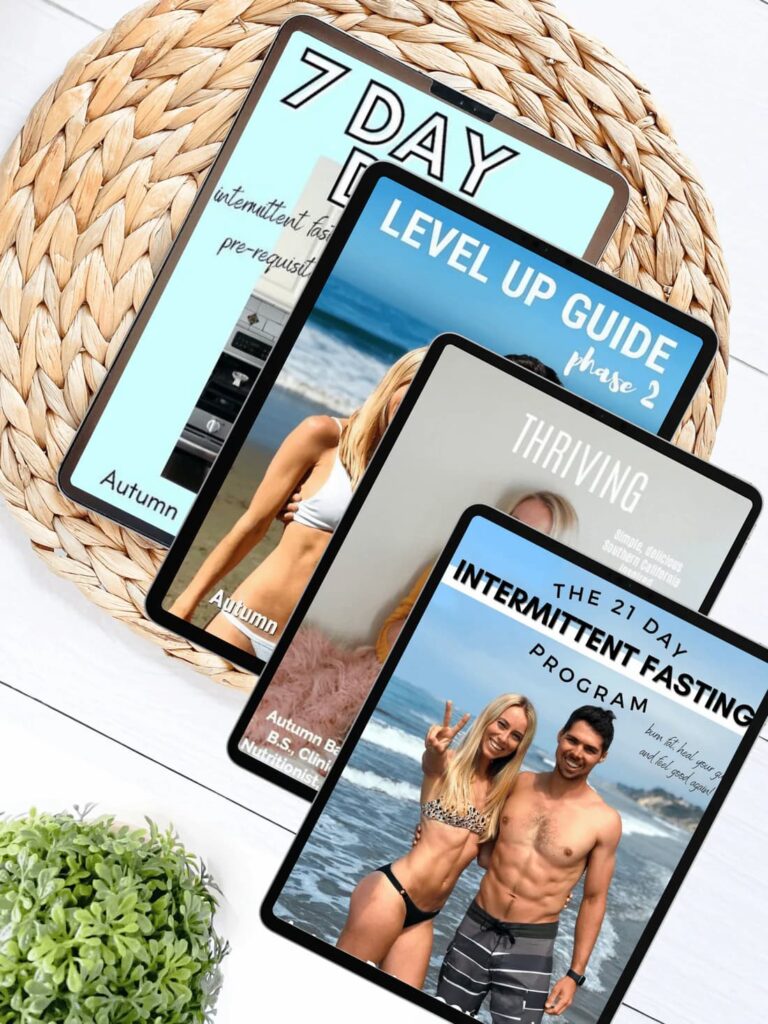
Tap into fat burning
Complete Intermittent Fasting Bundle
Start tapping into your natural fat-burning mechanisms with a science-backed plan that actually works. This bundle gives you the exact Protein, Fat, and Fiber roadmap used by thousands of AENpeeps to support gut health, stable energy, and long-term weight loss goals, without the restriction.
Mistake #2: Not Eating Enough Protein
Studies show that pairing Intermittent Fasting with high protein results in far better fat loss results than Intermittent Fasting alone. This combination is quite effective at shutting down hunger and food noise while protecting muscle and prioritizing fat loss.
Every meal in the Complete Intermittent Fasting Bundle emphasize protein, fat and fiber as the pillar for this exact reason. It’s why many people in our community like Karola, pictured below, have been able to lose body fat without feeling hungry.
The problem is that most people don’t even realize how short they are of hitting their protein targets. Women over 40 tend to be especially low in protein, thanks to anabolic resistance.
As we age, protein needs go up by about 25% (with some estimates saying as high as 50%). This means you need to eat more protein to see the same fat loss and muscle maintenance perks. So double check your protein intake and make sure you’re eating enough for your body and goals.
You can figure out your protein needs (based on age and activity) with my free protein calculator.
Mistake #3: Eating a High Carb Break-Fast
Again, the benefit of 14 hour fasting is that it naturally results in lower insulin levels, which triggers fat burning. But if you break your fast with something that aggressively spikes insulin, then it can make it harder to shift back into fat burning after the meal is over.
High carb break-fasts can cause a substantial spike in insulin. Think of foods like cereal, bagels, toast, muffins, donuts, and white rice. But it can also be less obvious too with “healthier” foods like “whole grain” cereal, fruit juice, and oatmeal.
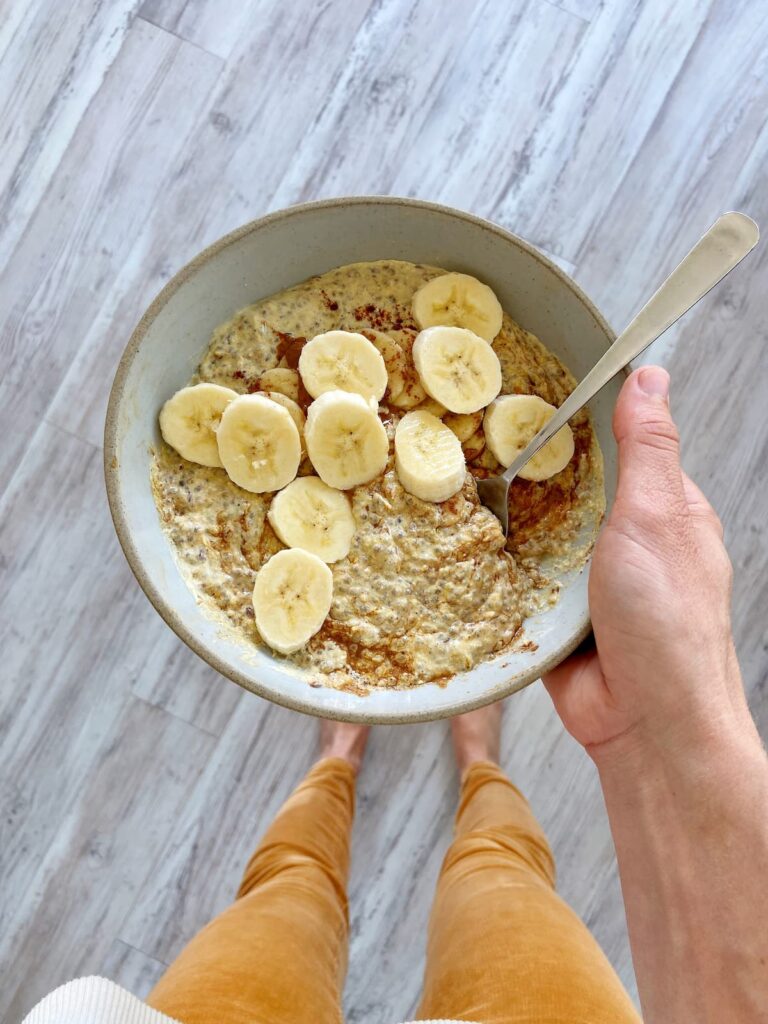
By centering your break-fast around protein, fat and fiber, you can help to reduce the insulin spike and make it easier to shift back into fat burning.
Read how to break a fast for weight loss (plus recipes).
The Protocol: How To Structure a 14:10 Fast For Fat Loss
Here’s exactly how to structure a 14 hour fast to fit your schedule and fat loss goals.
Step 1: Count backward 10 hours from when you finish dinner
This determines your eating window. Dinner is usually the hardest meal to “move” so you’ll want to factor your eating window around it. For example If you normally finish eating dinner by 7pm, count 10 hours backward and you have your eating window. In this example, your eating window would be 9am to 7pm.
Step 2: Plan 3 meals during the eating window
This step avoids the mistake of grazing. I recommend evenly spacing the meals within the eating window to more easily hit protein goals. You also get the bonus perk of a schedule that mimics when most people eat their main meals, making it easier to maintain.
Going back to our 9am to 7pm example, your meals would look like this:
- 9am: Breakfast
- 1pm: Lunch
- 6pm: Dinner
Just remember to stick to protein, fat, and fiber meals for reduced hunger and better fat loss perks. You can get recipes and meal plans in the Complete Intermittent Fasting Bundle.
Step 3: Don’t accidentally break your fast
When fat loss is your goal, you have quite a bit of wiggle room for what’s allowed during the fast. But there are also some things — like collagen in coffee — that seem innocent but will break your fast. This can unknowingly spike insulin and result in not actually fasting at all.
Find out everything you can drink while fasting.
14 Hour vs 16 Hour Fasts: When It’s Time To Fast Longer
If a 14 hour fast is great, then a 16 hour fast should be even better, right? Not really. Studies comparing fat loss across all Intermittent Fasting schedules tend to show similar results between 14 and 16 hours. However, there are certain times when a 16 hour fast has a leg up.
When 16 Hour Fasts Are Better
There are two times that fasting longer can be better: Severe Bloating and Type 2 Diabetes.
If you’re diabetic, then a 16 hour fast can be a better choice. Spending time in a fasted state has been shown to help improve insulin sensitivity, which can make fat loss easier for those who are insulin resistant. One study showed that those who were obese and diabetic lost more weight following a 16 hour fast than regular calorie restriction.
If you suffer from severe bloating, then you may also want to opt for the longer fast. The longer you fast, the more cycles of gut cleaning (called the Migrating Motor Complex, or MMC) that your body can go through. The MMC flushes out left behind food and bacteria and therefore helps to prevent bloating. By fasting for 16 hours, you get two extra hours of gut cleaning.
Read the Ultimate Guide to Intermittent Fasting For Fat Loss.
When 14 Hour Fasts Are Better
As we already saw, fat loss results with a 14 hour fast are similar to a 16 hour fast. But a 14:10 schedule has a unique beneficial edge in two cases: women over 40 and very active individuals.
If you’re a woman over 40, a 14 hour fast makes it easier to hit your protein targets. Around this age is when protein needs go up by about 25%. Those protein targets must be hit, otherwise you risk losing muscle and bone. Trying to fit all that protein into an 8 hour eating window often leads to missing the mark because you’re just too full. A 14 hour fast makes it easier to eat enough protein .
Final Thoughts
Fasting longer isn’t always better. You need to balance the perks of fasting with the benefits of eating. A 14 hour fast helps to strike this balance while sustainably making progress toward a fat loss goal.
You can get the Intermittent Fasting recipes, meal plans and science-backed tips used by thousands of people around the world with the Complete Intermittent Fasting Bundle.
Tap into fat burning
Complete Intermittent Fasting Bundle
Start tapping into your natural fat-burning mechanisms with a science-backed plan that actually works. This bundle gives you the exact Protein, Fat, and Fiber roadmap used by thousands of AENpeeps to support gut health, stable energy, and long-term weight loss goals, without the restriction.
Studies
Ten Hour Time Restricted Eating Reduces Weight, Blood Pressure, and Lipids Study
Comparing Different Types of Intermittent Fasting Windows